T10 Wakizashi
A well-made T10 Wakizashi has a compact feel that many sword collectors end up appreciating even more over time. Shorter than a katana but still deeply tied to samurai tradition, these blades were originally carried as practical side swords and still carry that balanced, purposeful look today. At TrueKatana, each T10 Wakizashi sword features full tang construction and heat-treated T10 steel, giving the blade a solid feel and a clean edge line that stands out up close. Whether you collect Japanese swords, practice forms, or want something understated for display, this collection is easy to spend time exploring.
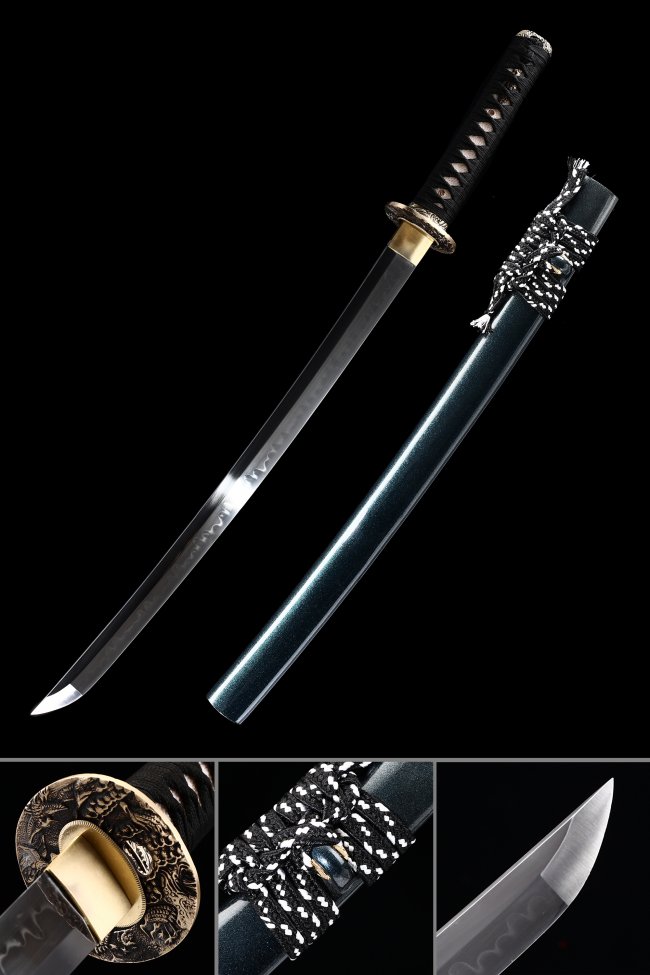
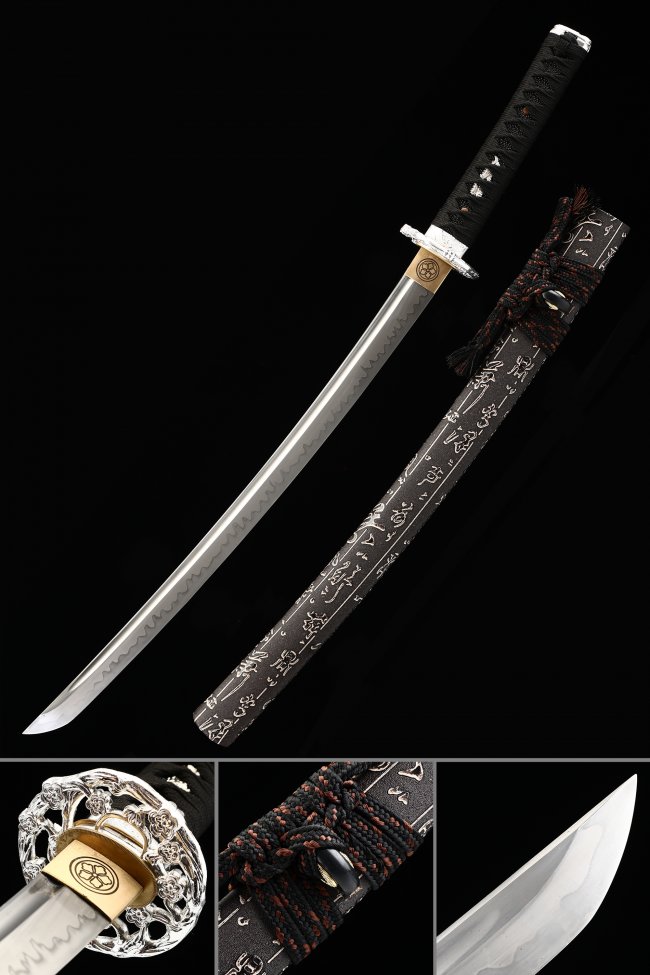
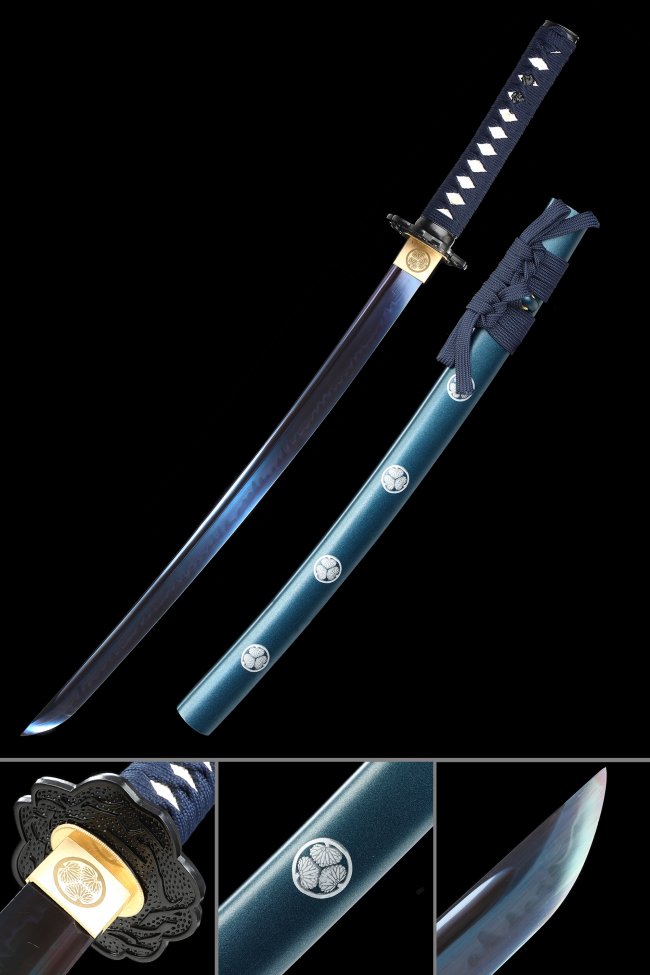
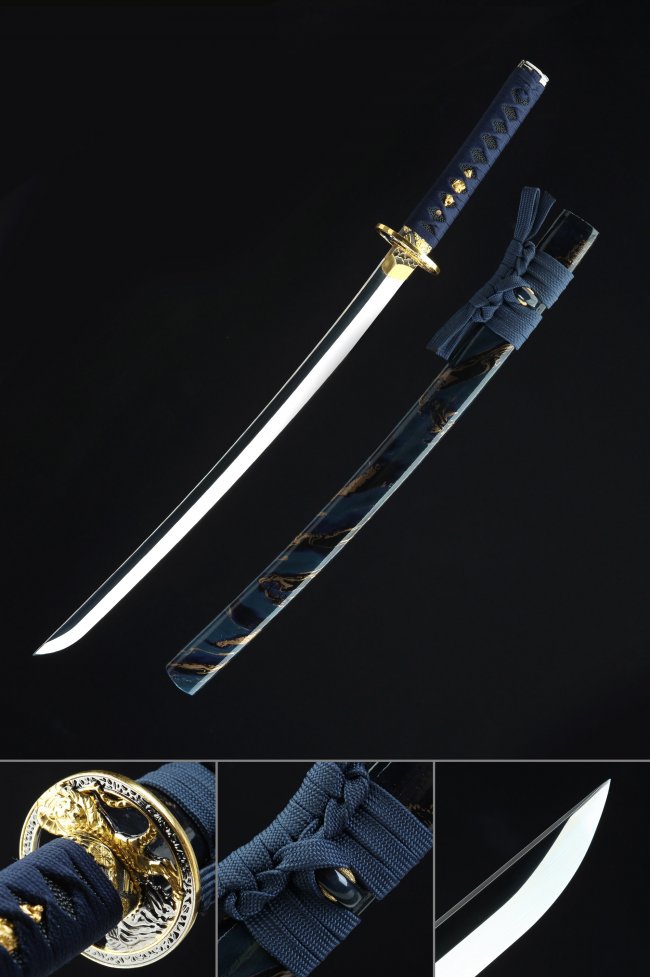
T10 Clay Tempered Wakizashi With Teal Lacquer Saya - Dragon Copper Tsuba, Black Ito
7 Reviews
ON SALE 15% OFF
$239.00
$279.00
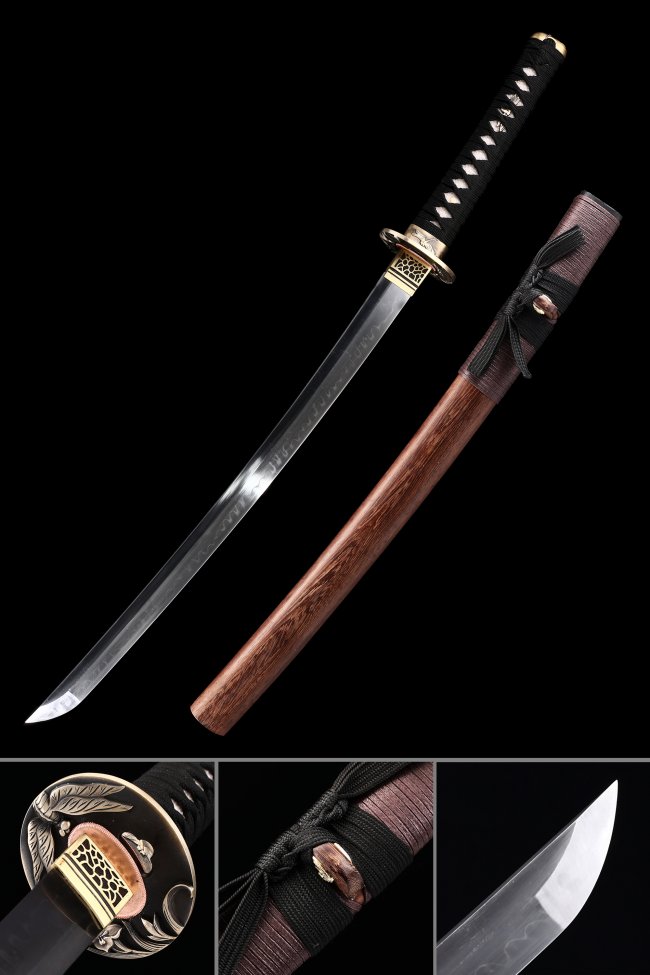
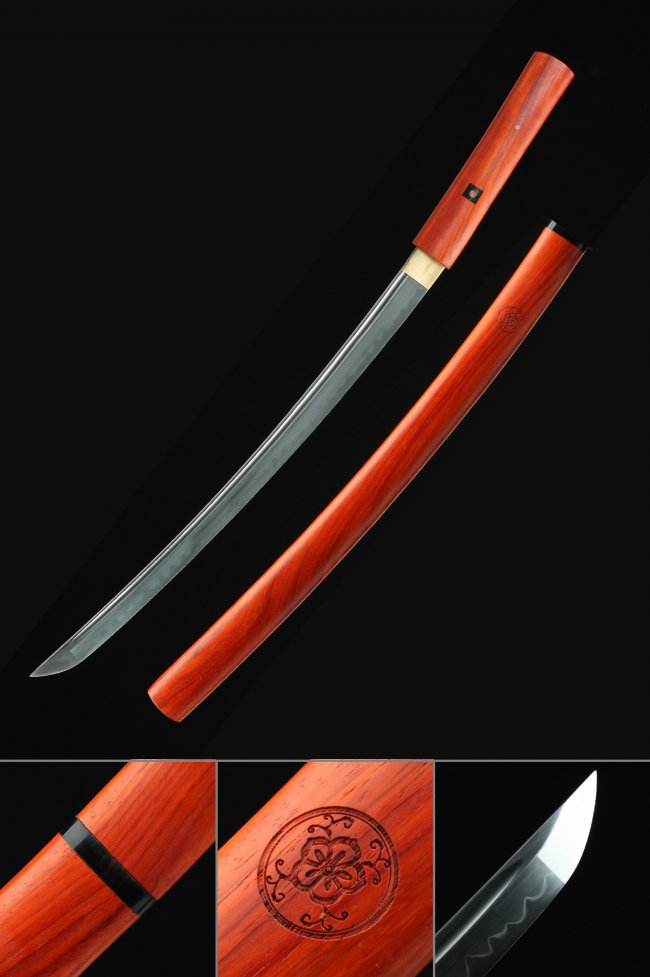
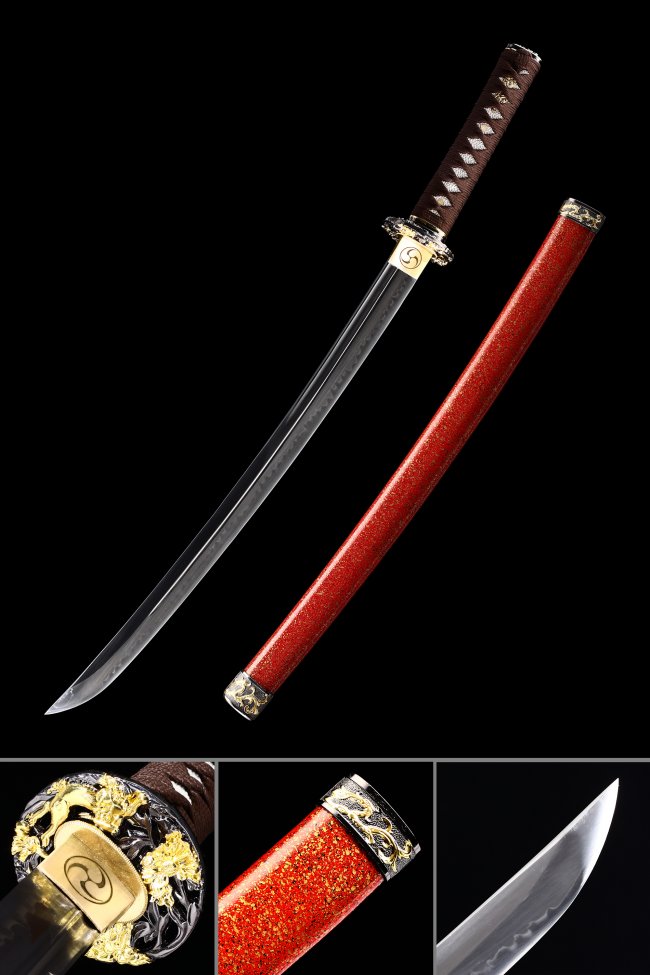
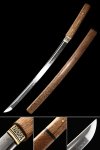
T10 Folded Clay Tempered Wakizashi Sword With Real Hamon In Brown Rosewood Saya And Copper Tsuba
25 Reviews
ON SALE 20% OFF
$219.00
$279.00
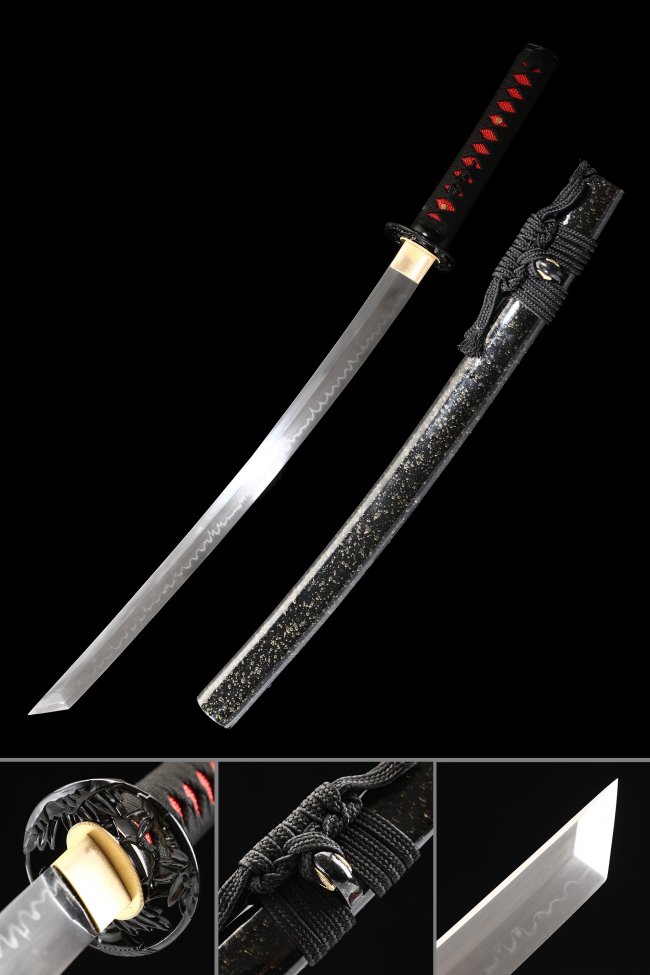
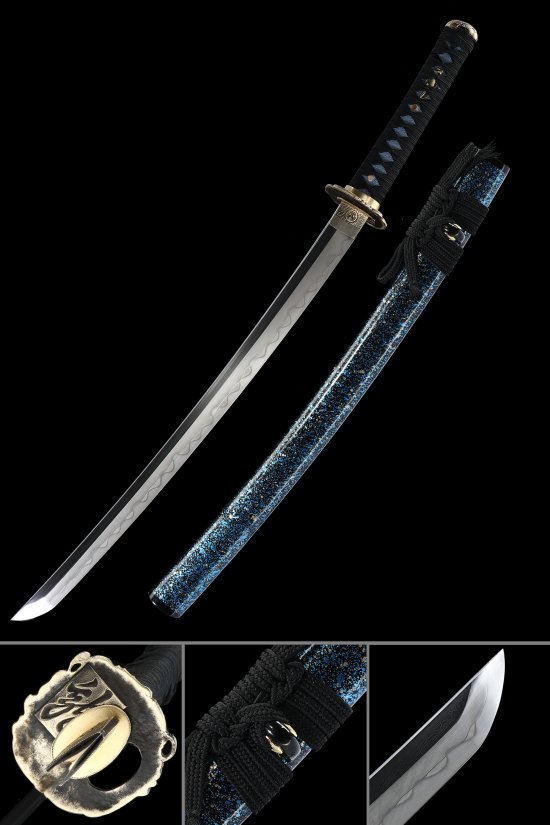
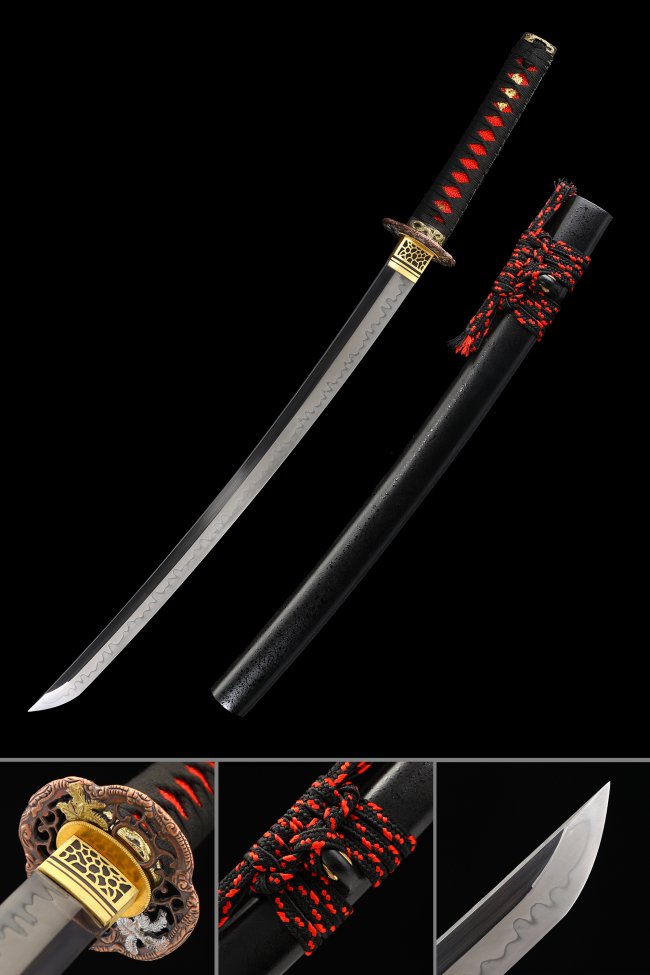
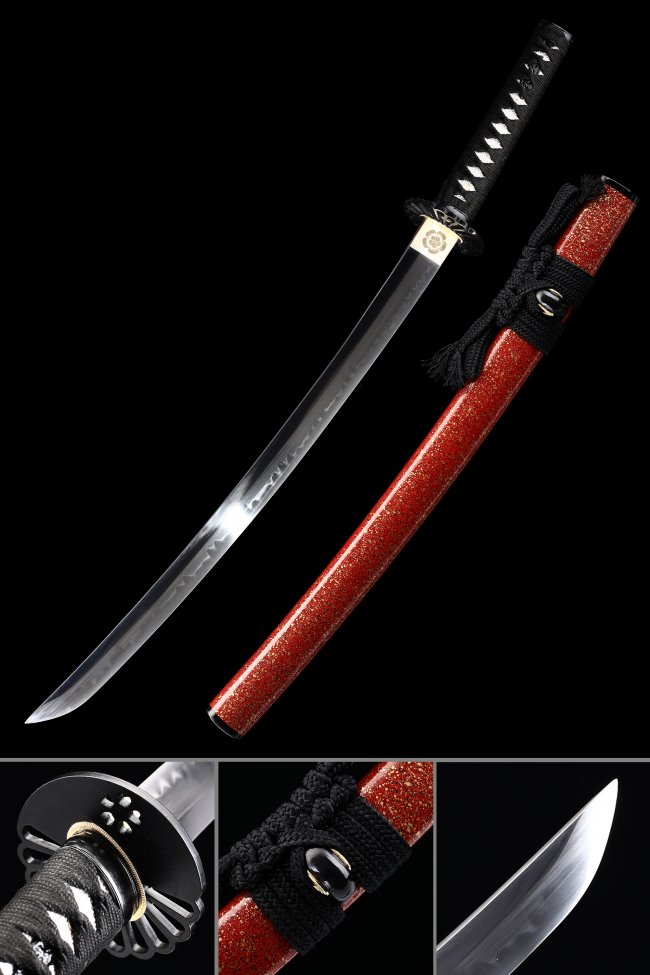
T10 Folded Clay Tempered Wakizashi Sword With Real Hamon In Black Gold-flecked Saya And Red Samegawa
15 Reviews
ON SALE 15% OFF
$209.00
$249.00
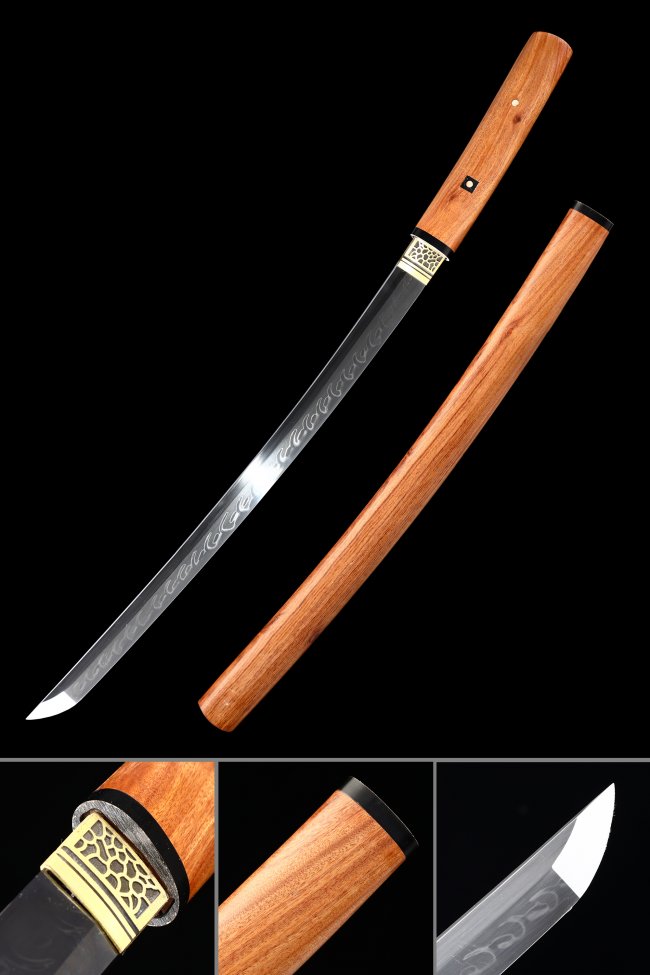
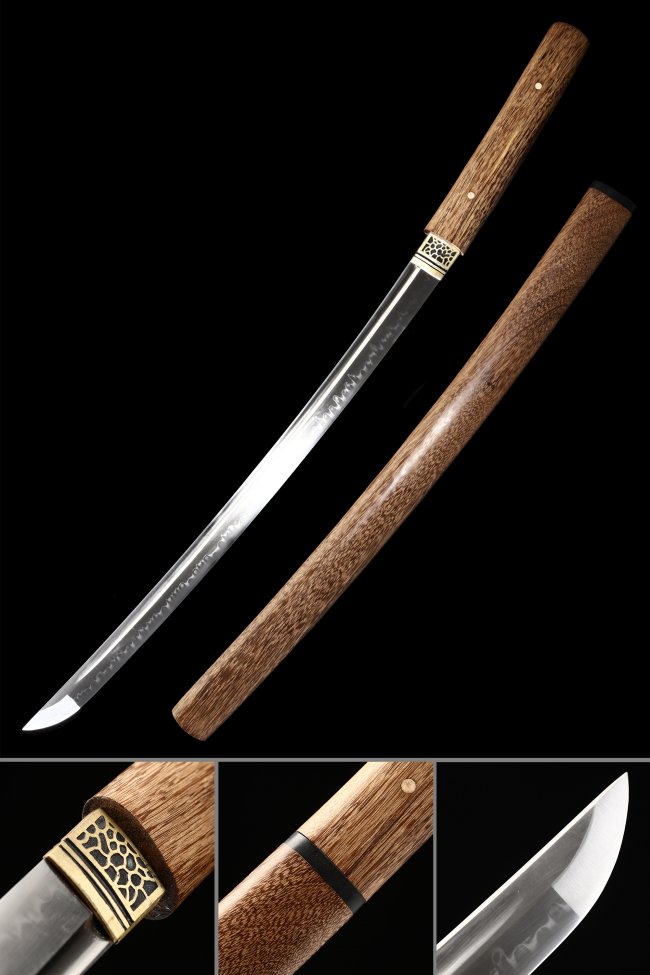
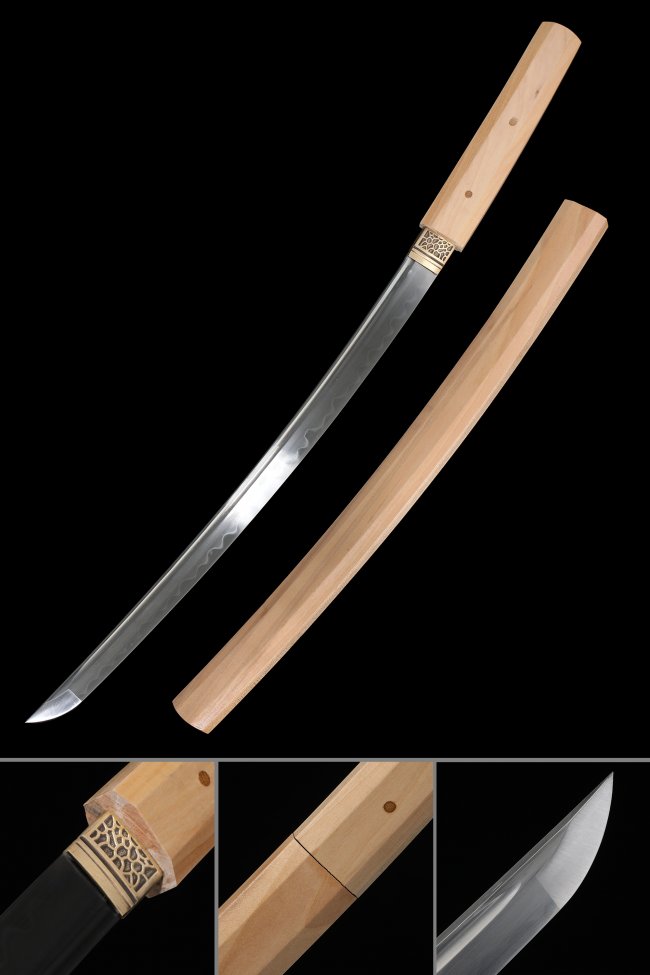
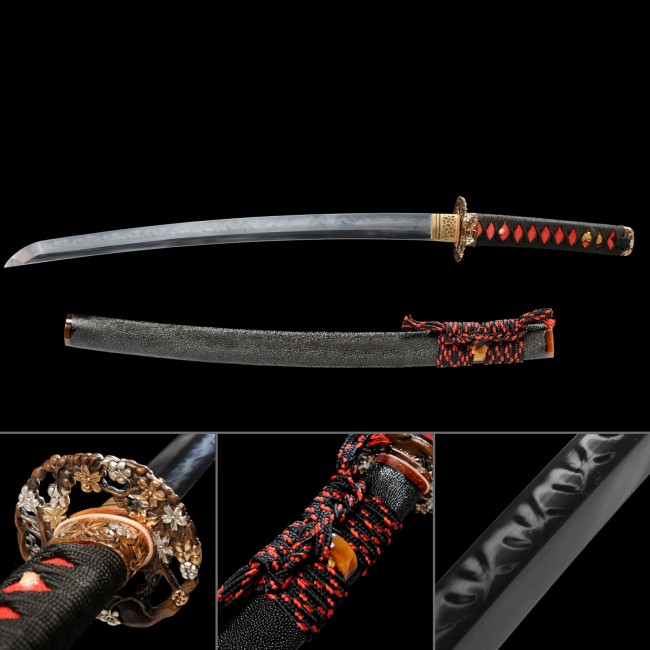
T10 Steel Shirasaya Wakizashi In Natural Hardwood With Wave-engraved Blade And Real Hamon
8 Reviews
ON SALE 15% OFF
$319.00
$379.00
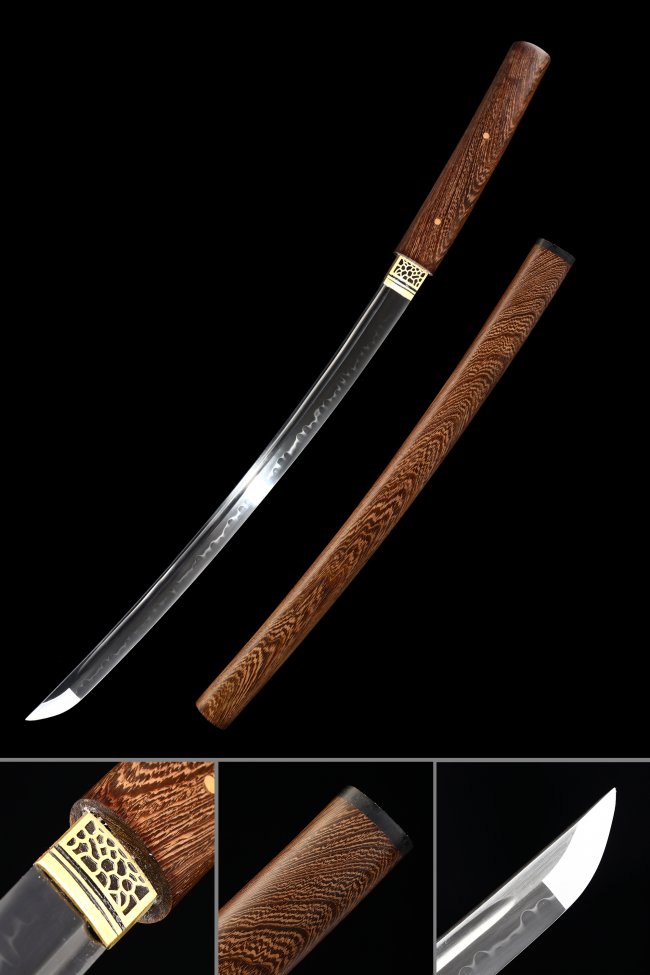
T10 Folded Clay Tempered Shirasaya Wakizashi With Wenge Wood Saya And Gold Openwork Habaki
9 Reviews
ON SALE 20% OFF
$179.00
$229.00
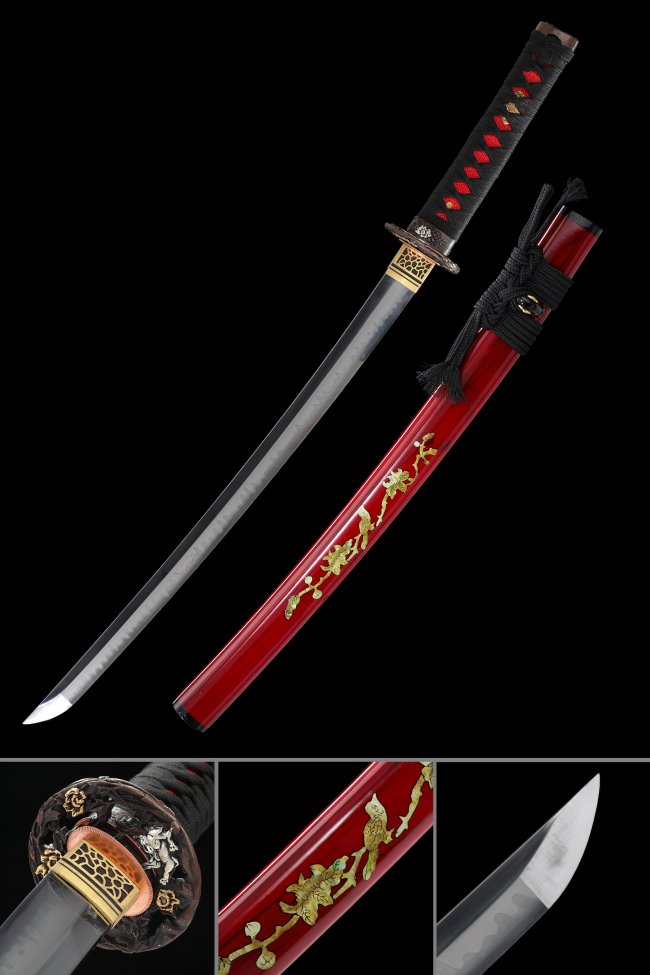
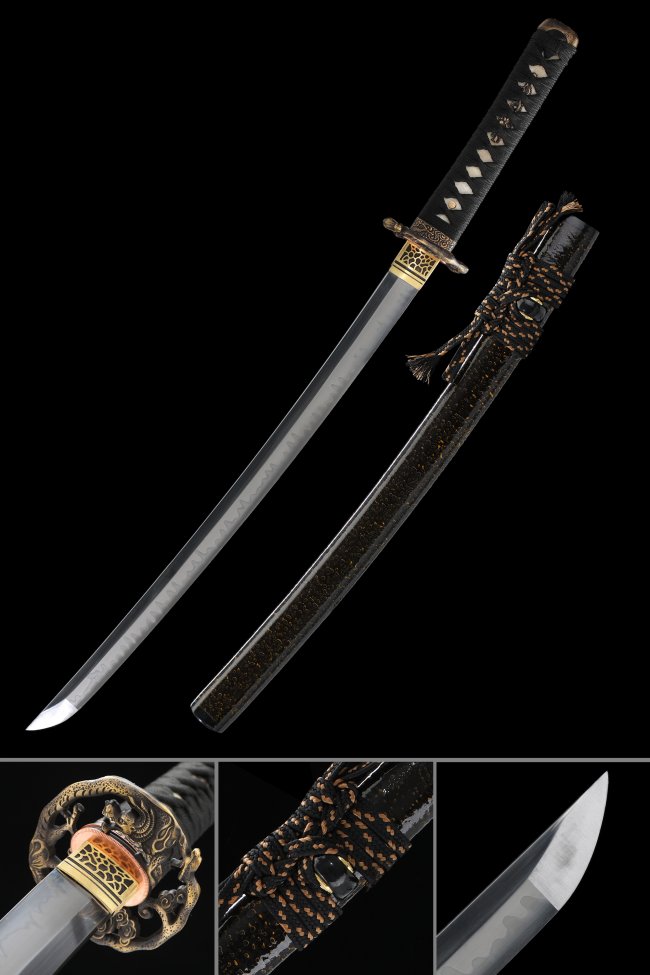
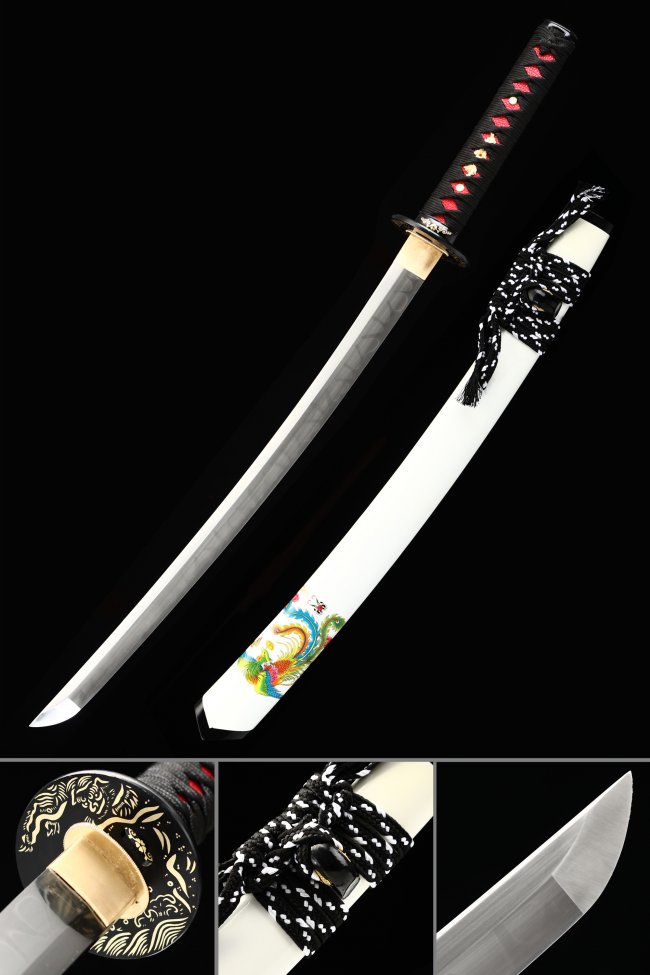
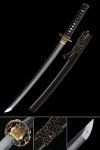
Dragon Tsuba T10 Carbon Steel Wakizashi, Real Hamon, Handmade & Black Dragon Saya
3 Reviews
ON SALE 15% OFF
$369.00
$429.00
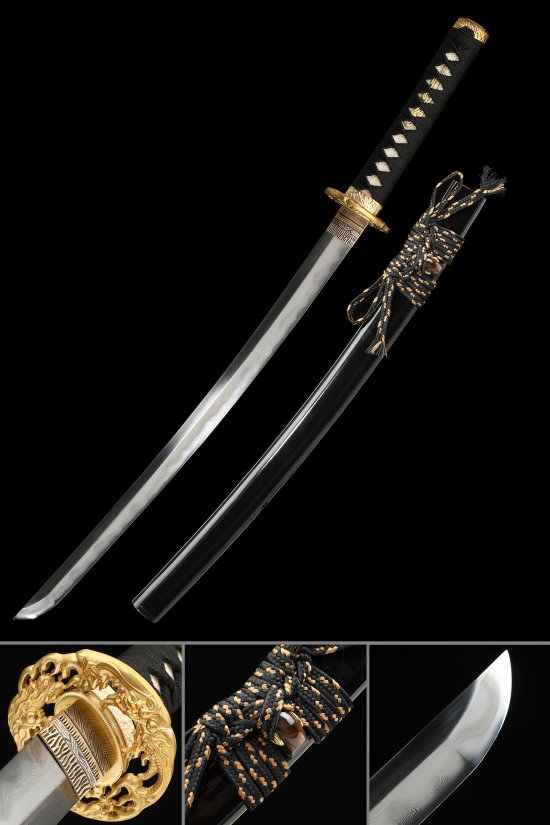
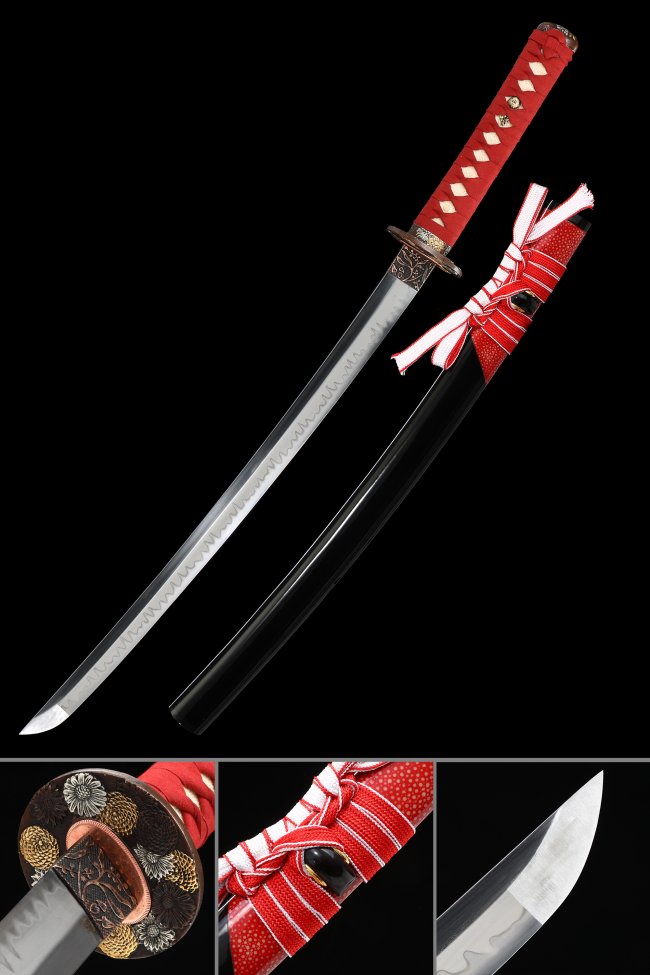
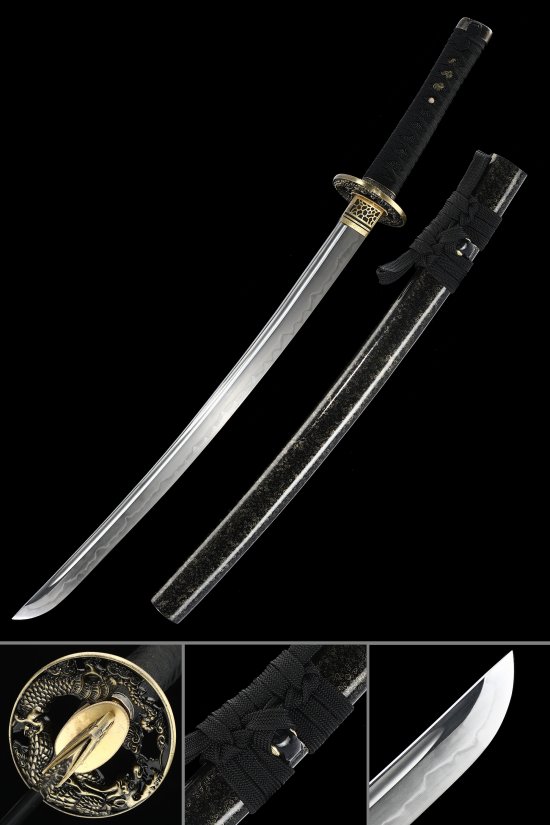
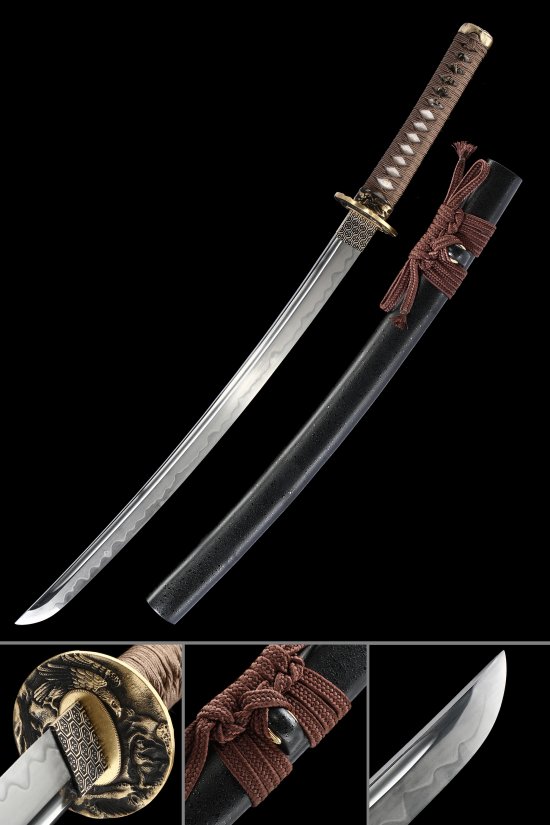
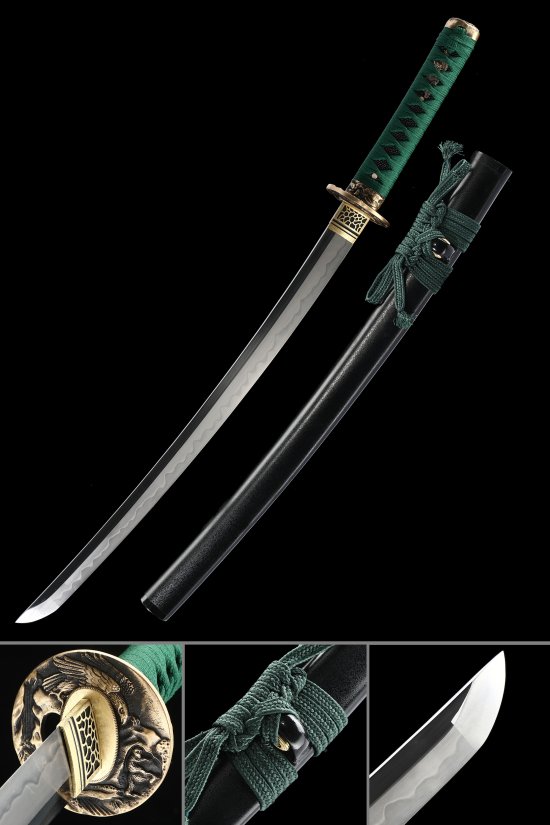
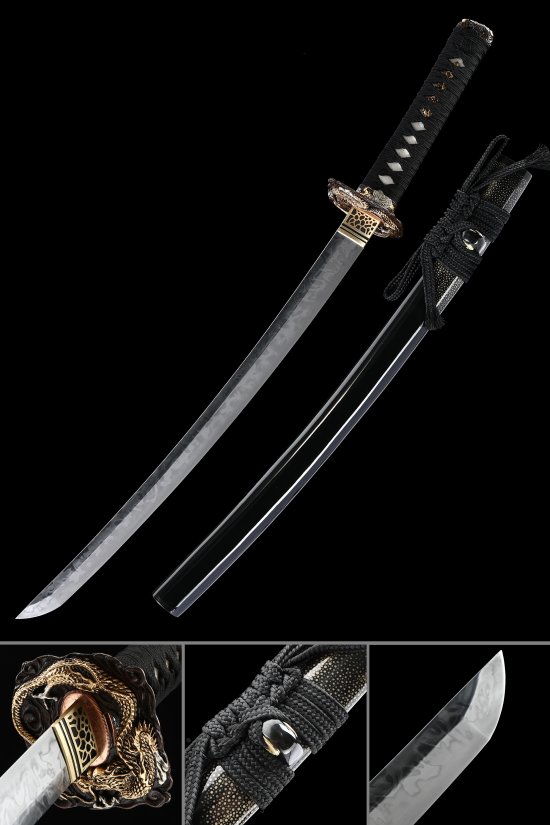
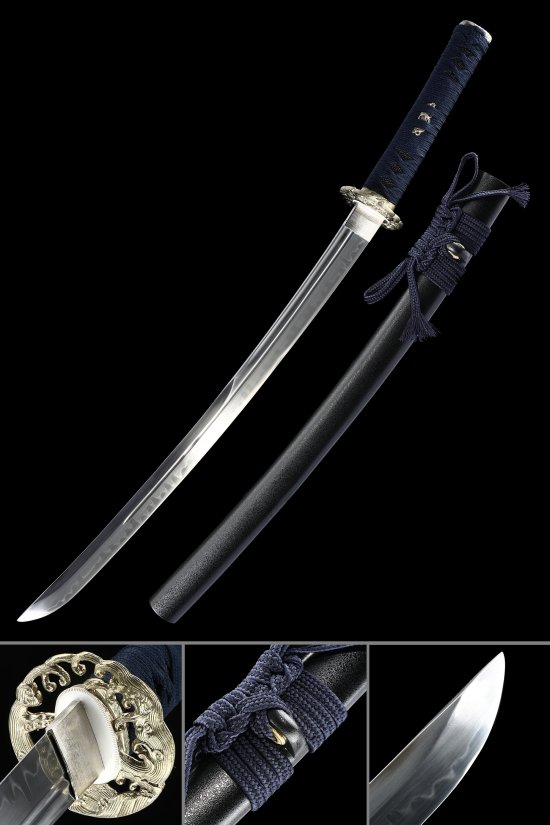
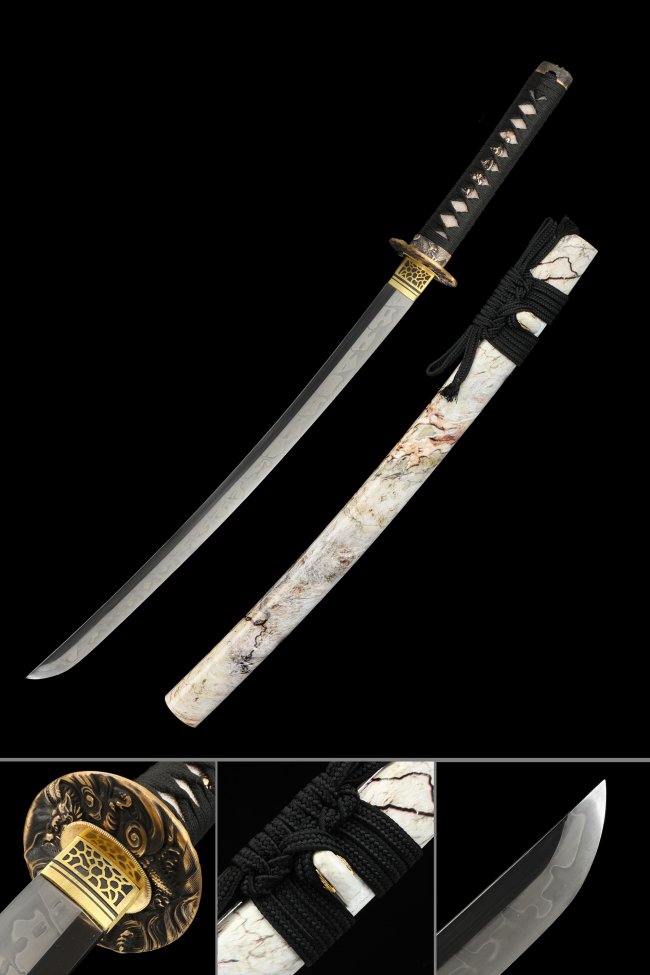
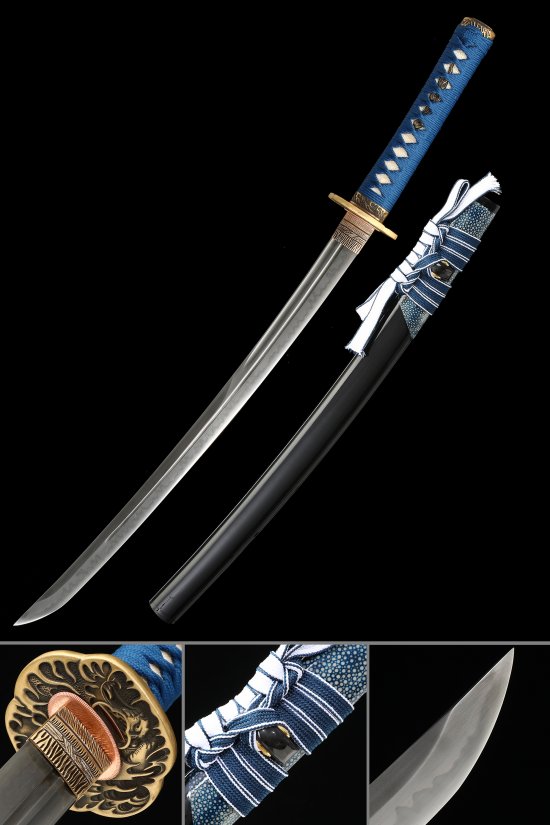
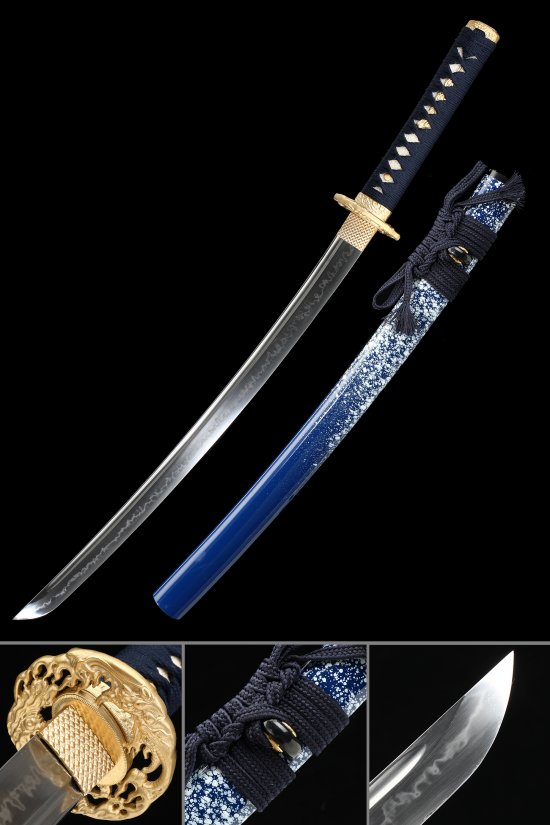
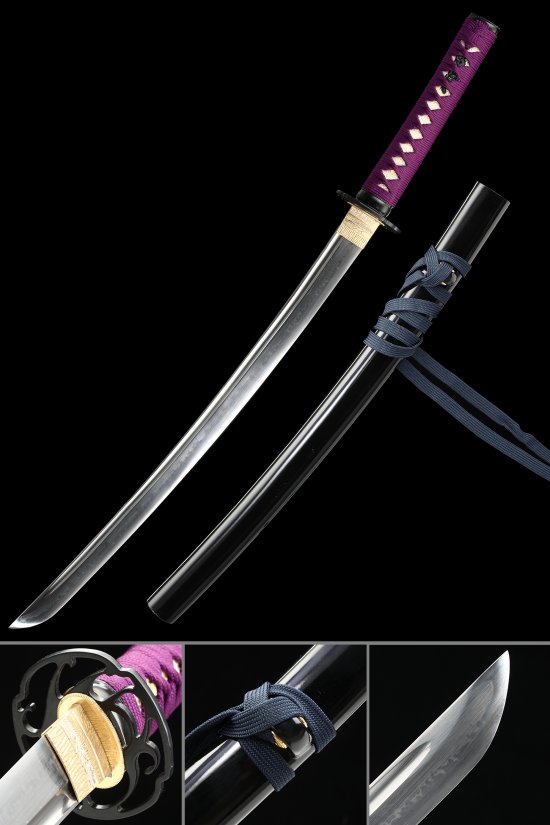
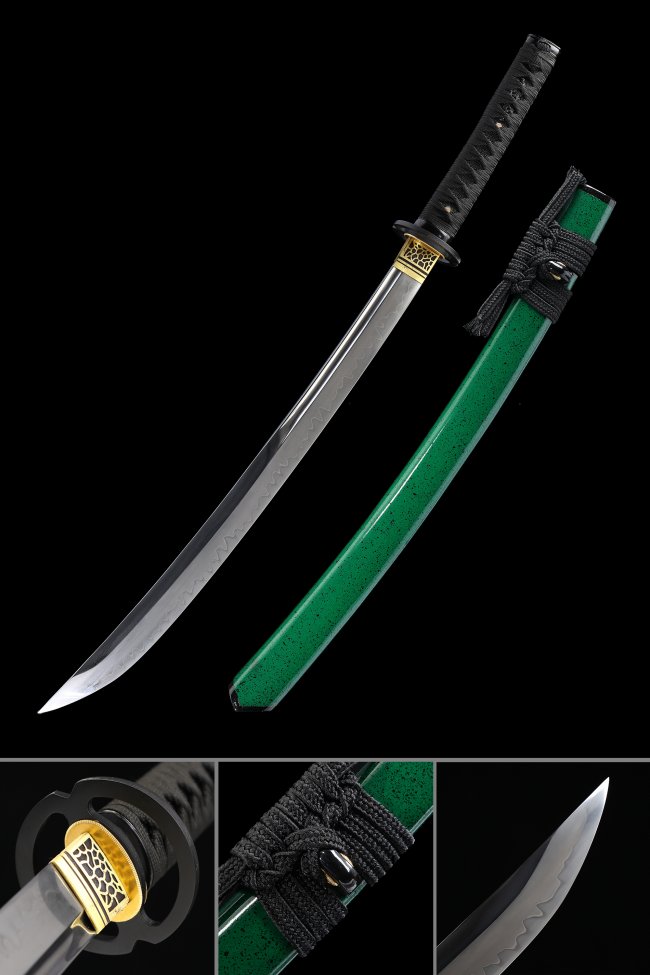
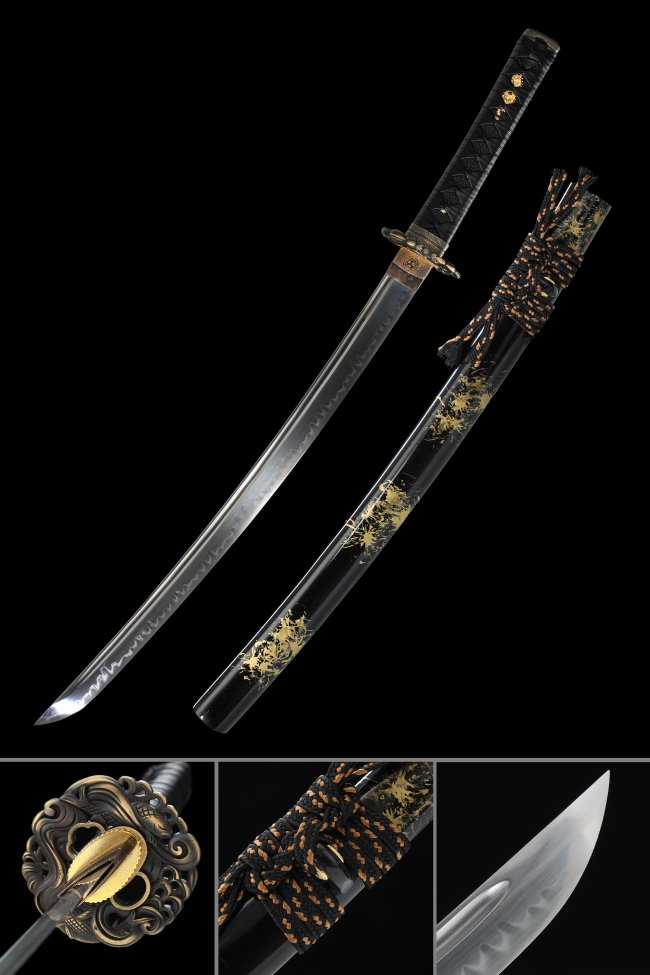
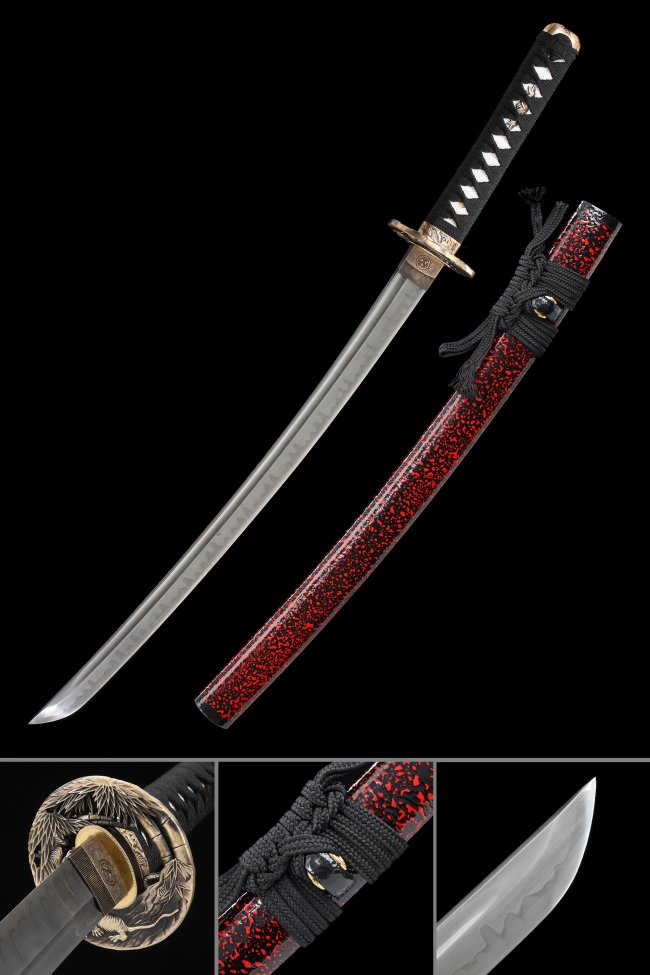
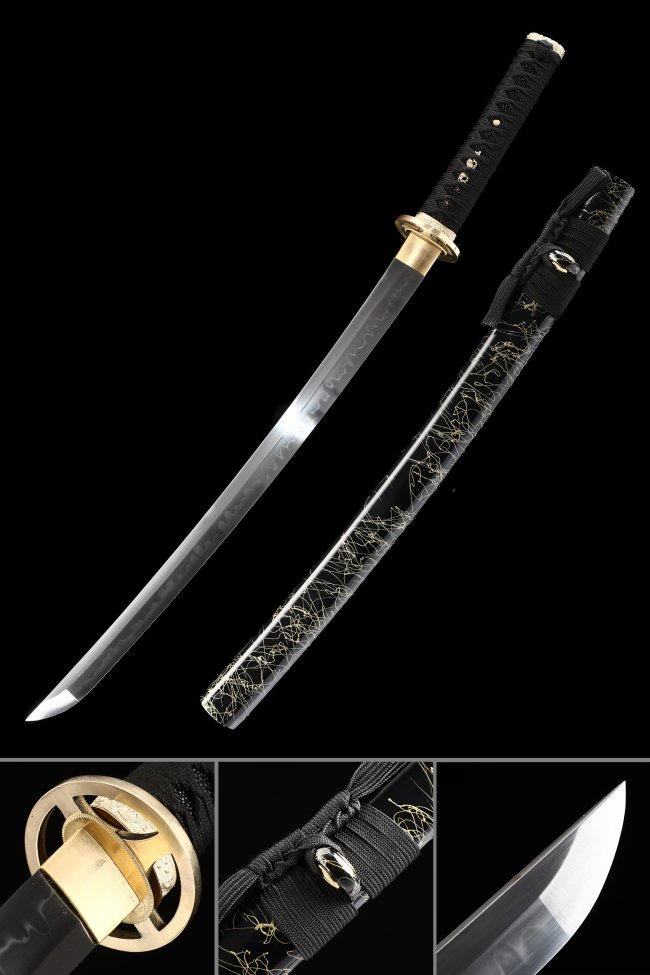
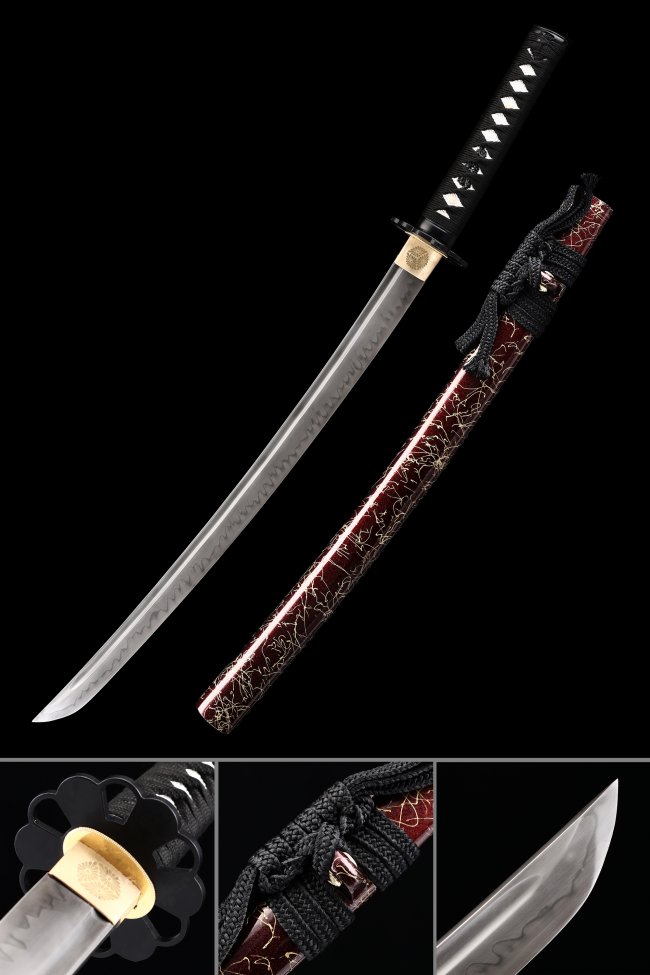
T10 Steel Wakizashi With Real Hamon - Black Saya, Gold Vine Pattern & Gold Tsuba
3 Reviews
ON SALE 15% OFF
$199.00
$239.00
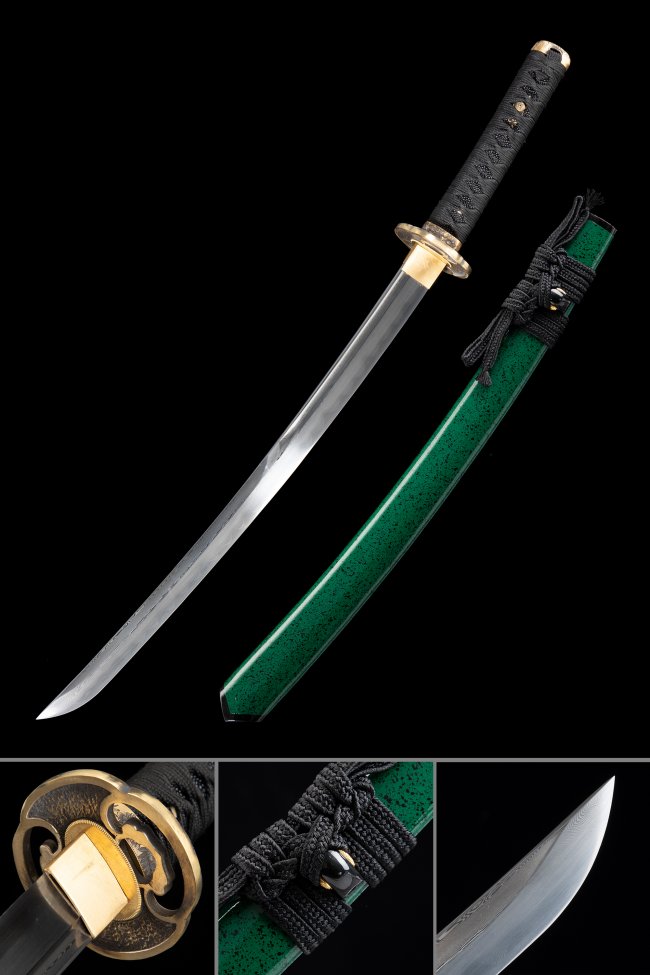
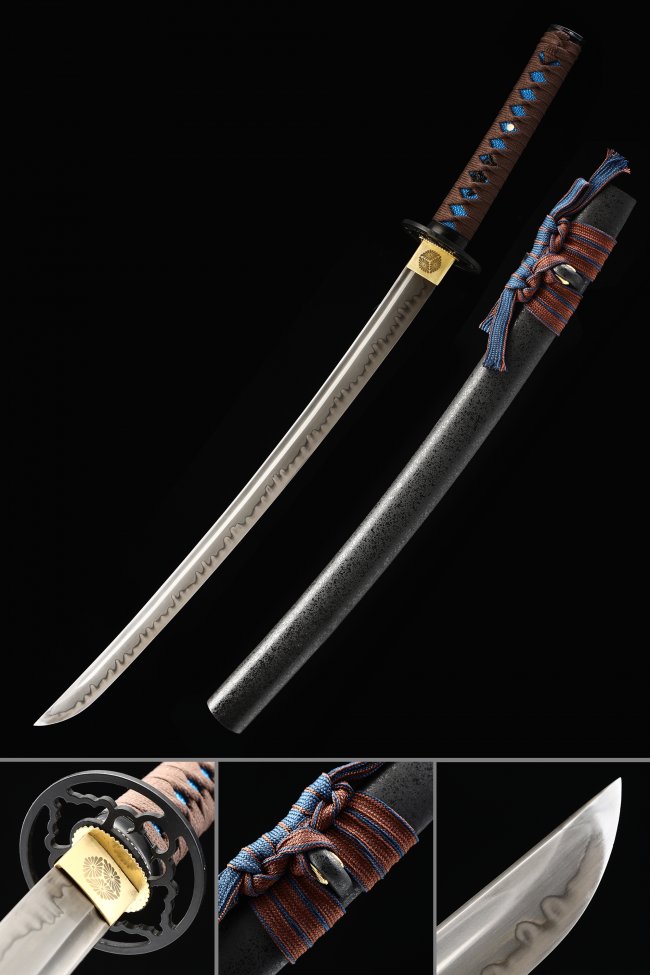
Cloud Tsuba T10 Carbon Steel Wakizashi, Clay Tempered, Real Hamon & Full Tang
2 Reviews
ON SALE 15% OFF
$209.00
$249.00
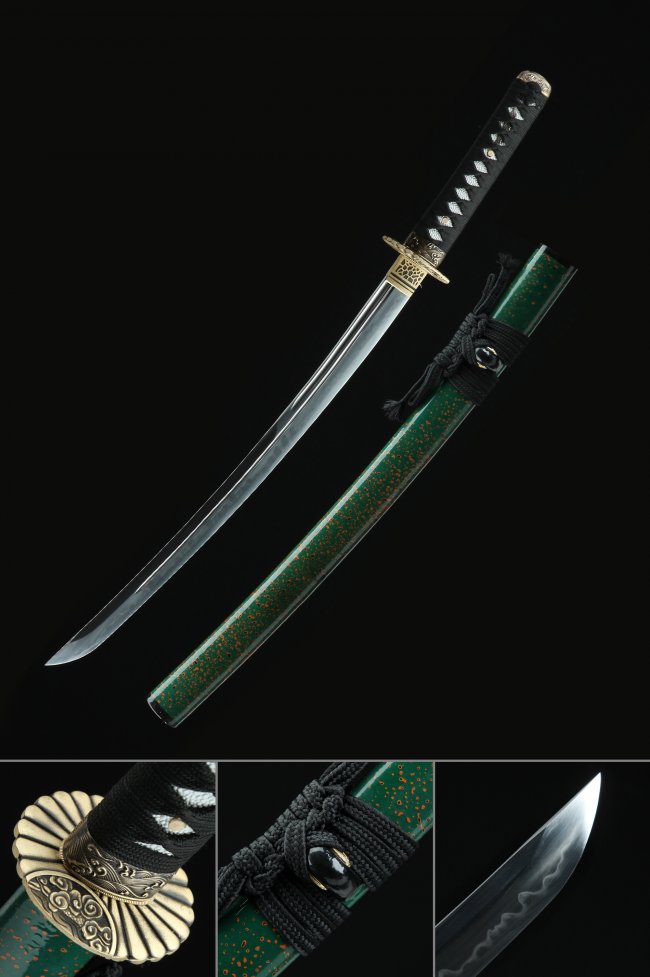
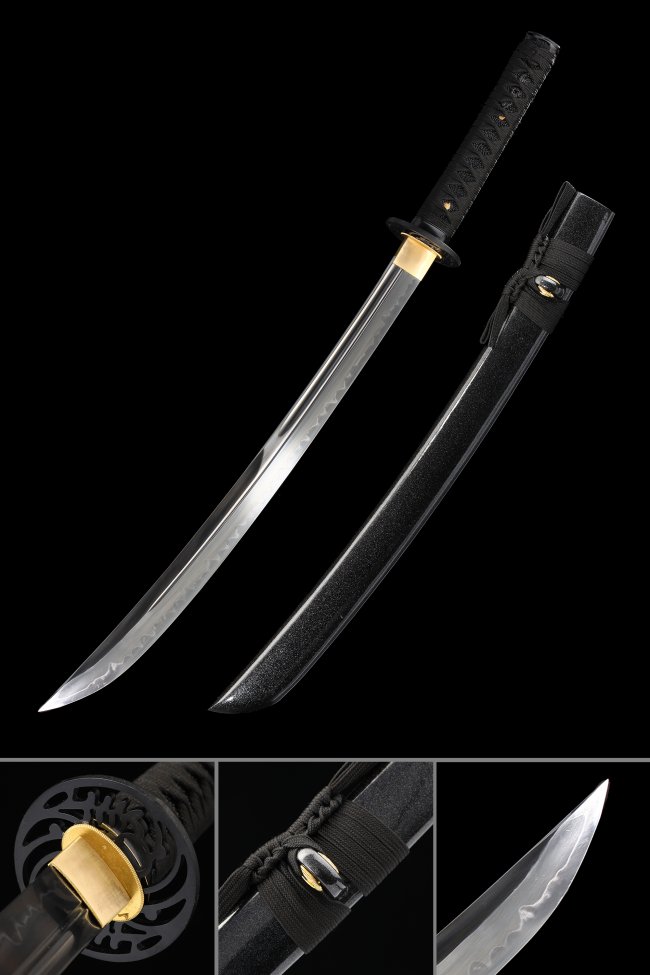
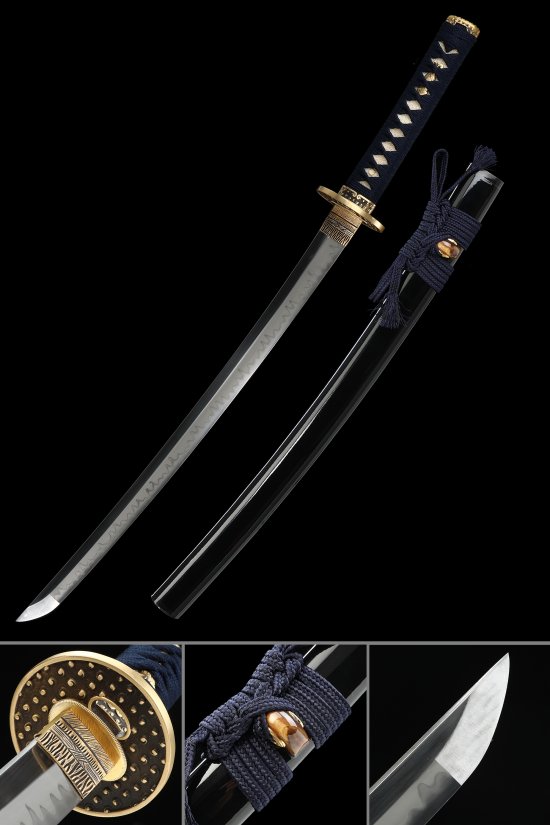
T10 Steel Wakizashi With Clay Tempered Blade In Black Lacquer Saya - Real Hamon
4 Reviews
ON SALE 15% OFF
$209.00
$249.00
Related Collections
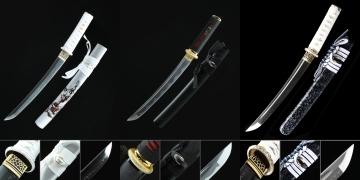
Traditional Japanese Tanto 79 items
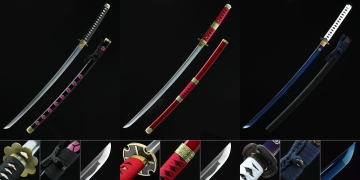
Anime Katana 41 items
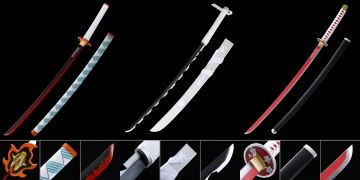
Demon Slayer Sword 12 items
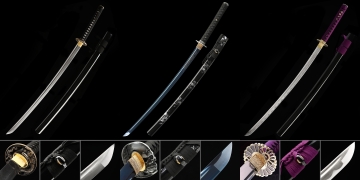
Manga Katana 35 items
Customer Reviews
The sword is gorgeous and the craftsmanship is outstanding!
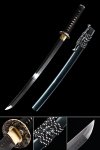 T10 Clay Tempered Wakizashi with Teal Lacquer Saya - Dragon Copper Tsuba, Black Ito
Verified Purchase
T10 Clay Tempered Wakizashi with Teal Lacquer Saya - Dragon Copper Tsuba, Black Ito
Verified Purchase
Phenomenal shirasaya. It is way above my expectations. Great Quality and appearance. Very fast shipping and great customer support from TrueKatana.
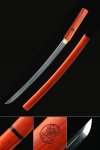 T10 Steel Clay Tempered Shirasaya Wakizashi with Real Hamon in Rosewood Saya - Red Hardwood Handle
Verified Purchase
T10 Steel Clay Tempered Shirasaya Wakizashi with Real Hamon in Rosewood Saya - Red Hardwood Handle
Verified Purchase
Super fast shipping. Wonderful customer service! I made a mistake and misread the length and weight of sword. I’ll def double check the product description to double check. They were very understanding and accommodating. Will def be place another order soon. Great overall experience.
 Shirasaya Wakizashi Sword in T10 Carbon Steel with Natural Wenge Wood Saya and Bronze Habaki
Verified Purchase
Shirasaya Wakizashi Sword in T10 Carbon Steel with Natural Wenge Wood Saya and Bronze Habaki
Verified Purchase
Absolutely phenomenal, this wakizashi is without a doubt everything that was pictured and described.
 Dragon Tsuba T10 Carbon Steel Wakizashi, Real Hamon, Handmade & Black Dragon Saya
Verified Purchase
Dragon Tsuba T10 Carbon Steel Wakizashi, Real Hamon, Handmade & Black Dragon Saya
Verified Purchase
The quality is great and the hamons are visible. Exactly what I was looking for as a decorative product.
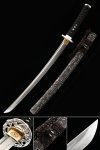 Chrysanthemum Tsuba T10 Carbon Steel Wakizashi, Clay Tempered, Real Hamon & Hand Forged
Verified Purchase
Chrysanthemum Tsuba T10 Carbon Steel Wakizashi, Clay Tempered, Real Hamon & Hand Forged
Verified Purchase
Beautiful sword and fast transparent delivery. The customer service exceeded the expectations.
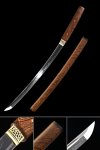 T10 Folded Clay Tempered Shirasaya Wakizashi with Wenge Wood Saya and Gold Openwork Habaki
Verified Purchase
T10 Folded Clay Tempered Shirasaya Wakizashi with Wenge Wood Saya and Gold Openwork Habaki
Verified Purchase
Nicely packaged. Beautiful workmanship. A great value at 220.
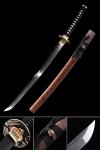 T10 Folded Clay Tempered Wakizashi Sword with Real Hamon in Brown Rosewood Saya and Copper Tsuba
Verified Purchase
T10 Folded Clay Tempered Wakizashi Sword with Real Hamon in Brown Rosewood Saya and Copper Tsuba
Verified Purchase
My Sword came fast and it's a nice looking sword. I might buy more in the future. Thank you TrueKatana
Chrysanthemum Tsuba T10 Carbon Steel Wakizashi, Clay Tempered, Real Hamon & Hand Forged
Verified Purchase
Great sword, amazing value, helpful customsr service.
T10 Folded Clay Tempered Wakizashi Sword with Real Hamon in Brown Rosewood Saya and Copper Tsuba
Verified Purchase
All three blades were made beautifully. My now ex fiancé loved them
Shirasaya Wakizashi Sword in T10 Carbon Steel with Natural Wenge Wood Saya and Bronze Habaki
Verified Purchase
The sword I ordered reached safely in good condition to Indonesia. The quality is good no complaint. The people in True Katana are friendly and helpful. Thank you True Katana
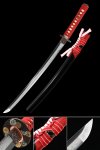 T10 Manganese Steel Wakizashi with Red Ito, Chrysanthemum Tsuba in Black Lacquer Saya
Verified Purchase
T10 Manganese Steel Wakizashi with Red Ito, Chrysanthemum Tsuba in Black Lacquer Saya
Verified Purchase
It is a wonderful object…r
Though I made a mistske; I wanted the one blonde one that is 1.5 pounds!r
Any chance to exchange, or have a good deal on that lighter one?
Shirasaya Wakizashi Sword in T10 Carbon Steel with Natural Wenge Wood Saya and Bronze Habaki
Verified Purchase
Très réactifs, envoi sécurisé, item en parfait état, très bonne qualité. True katana is the best! Merci beaucoup.
Shirasaya Wakizashi Sword in T10 Carbon Steel with Natural Wenge Wood Saya and Bronze Habaki
Verified Purchase
Beautiful and well made Shirasaya Wakizashi. Fast delivery to Lithuania
Shirasaya Wakizashi Sword in T10 Carbon Steel with Natural Wenge Wood Saya and Bronze Habaki
Verified Purchase
Moc krásný děkuji. Jen by to mělo být ostřejší ahoj
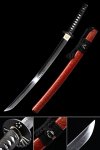 T10 Carbon Steel Wakizashi with Real Hamon in Red Lacquer Hardwood Saya - Black Tsuka
Verified Purchase
T10 Carbon Steel Wakizashi with Real Hamon in Red Lacquer Hardwood Saya - Black Tsuka
Verified Purchase
Loading more reviews...