What makes a chrysanthemum tsuba different from other tsuba styles?
Updated Mar 2026
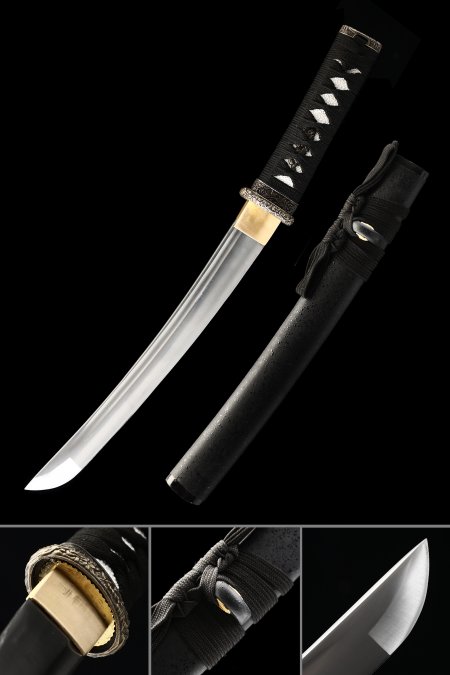
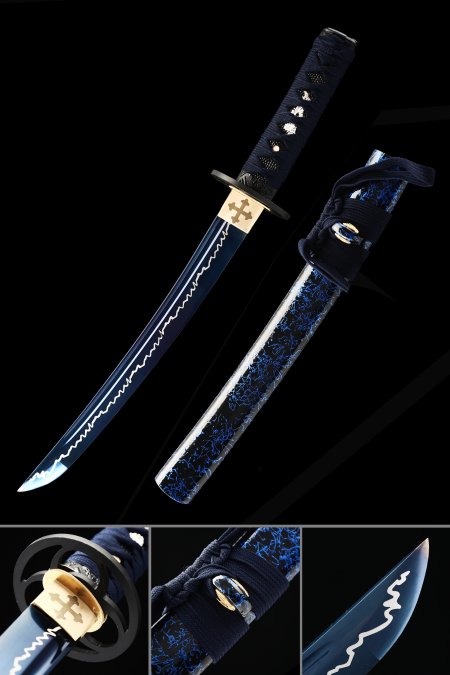
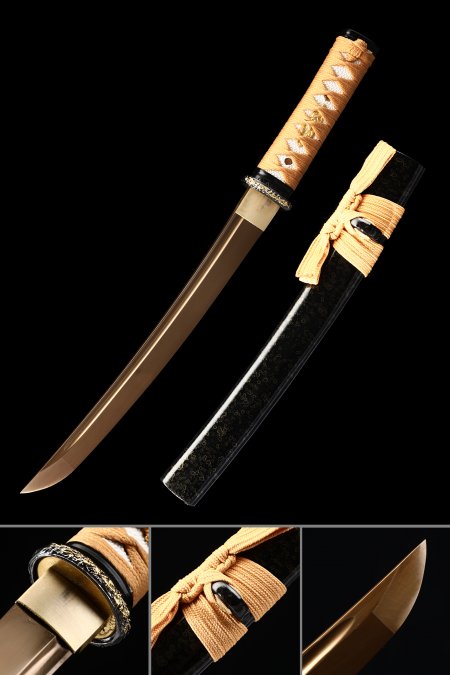
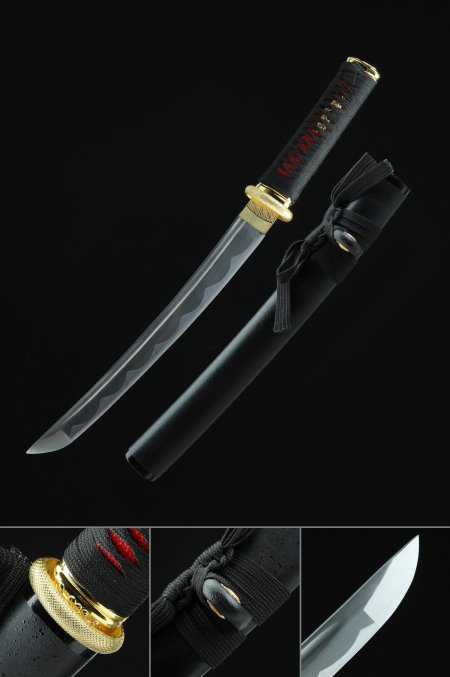
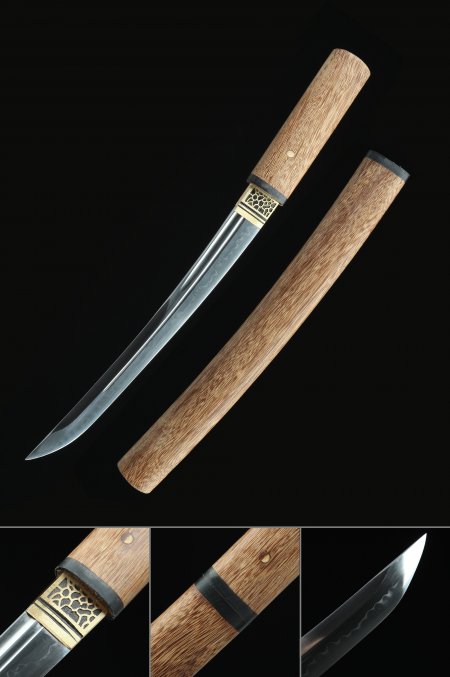
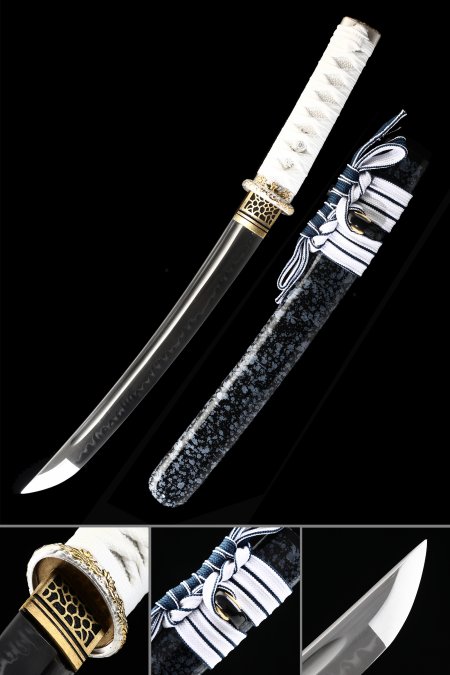
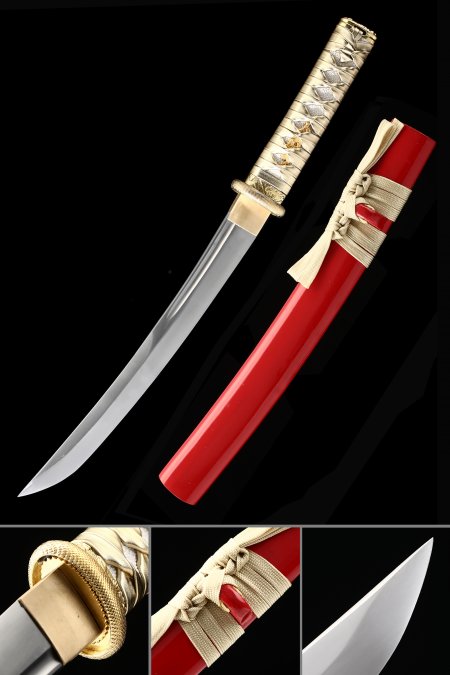
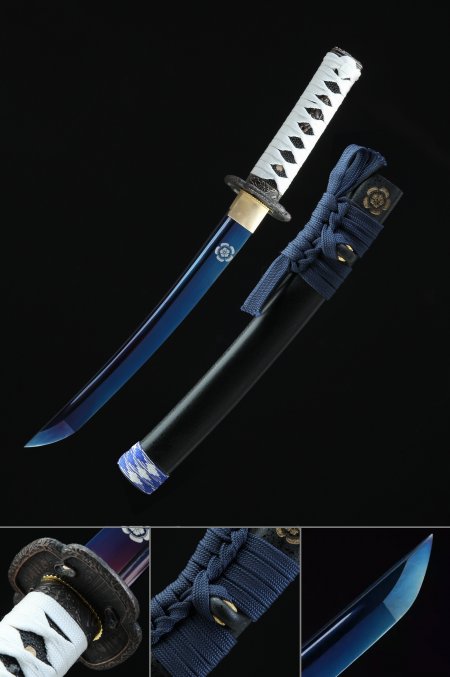
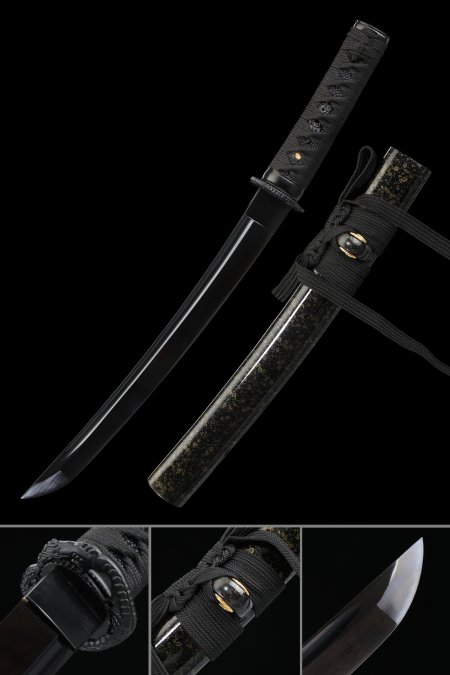
The chrysanthemum tsuba is modeled after the kiku — Japan's imperial sixteen-petal bloom — and is one of the most historically significant motifs in Japanese metalwork. Unlike geometric or dragon-motif tsuba, the kiku design carries specific cultural weight: it was codified as an imperial symbol during the Meiji period and appeared on imperial mon and ceremonial fittings. On tanto in this collection, the tsuba is rendered in cast iron or hammered copper, each with distinct surface characteristics. Cast iron versions have a denser, matte texture that reads as austere and formal; copper versions develop a warmer patina over time. Both are fitted to tanto proportions, meaning the diameter is smaller than a typical katana tsuba, which concentrates the floral detail into a tighter visual field and makes the engraving or casting appear more intricate up close.