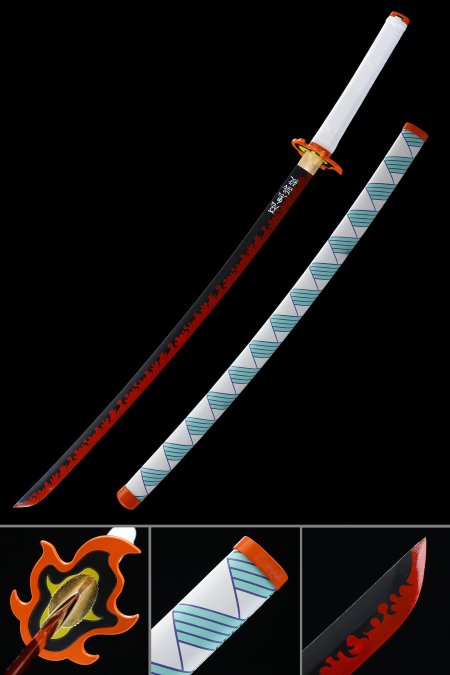
What maintenance routine keeps a red sharp katana at peak edge quality between professional resharpe
Updated Feb 2026
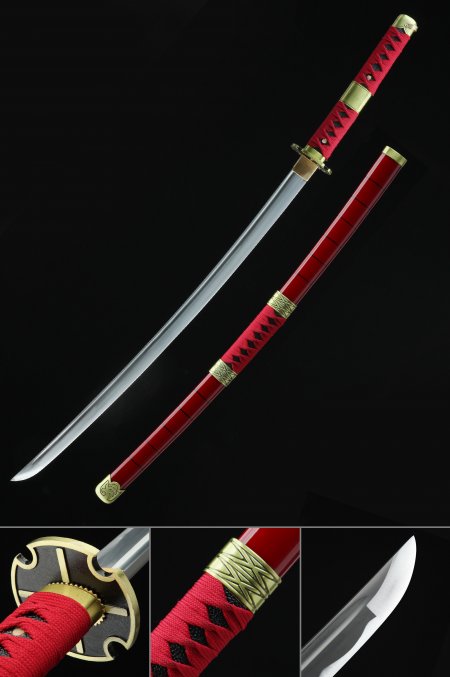
The key to maintaining edge quality is preventing damage rather than correcting it after the fact. Store the blade in its saya whenever not actively displayed or examined, as the wooden scabbard protects the edge from accidental contact and environmental exposure. When displaying unsheathed, position the katana edge-up on the stand and ensure nothing can contact the edge from above or the sides. Apply choji or mineral oil to the blade every one to two weeks for displayed blades, using a soft cotton cloth in smooth strokes along the blade length — never across the edge. The oil film prevents microscopic corrosion that can develop along the fine edge line where the steel is thinnest and most vulnerable to moisture. If you notice the edge is no longer cutting paper cleanly, you can perform light maintenance sharpening using a fine-grit whetstone of 3000 grit or higher, maintaining the existing bevel angle with light, consistent strokes. Avoid coarse stones, which will remove more material than necessary and alter the blade geometry. For significant resharpening or edge repair, consult a professional sword maintenance specialist rather than attempting major work yourself, as improper resharpening technique can permanently alter the blade profile established during original production.