What do the different tsuba designs mean for collectors?
Updated Mar 2026
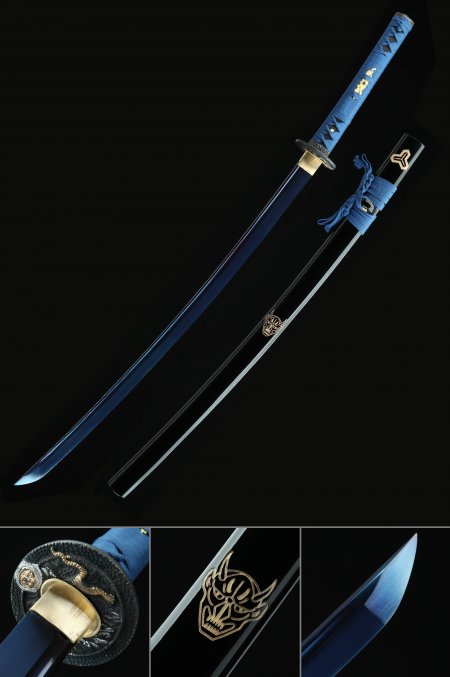
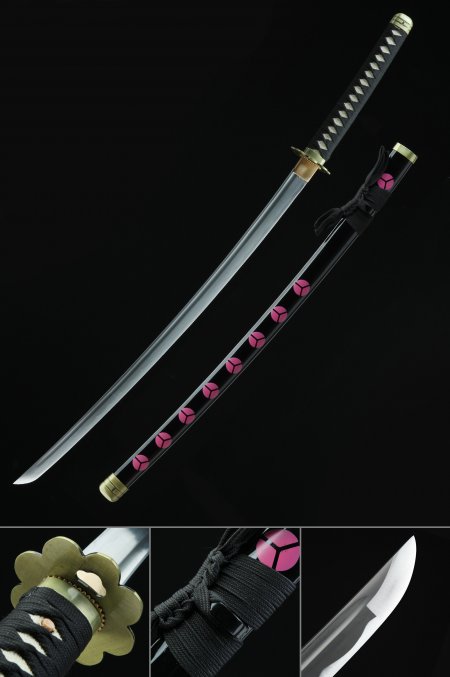
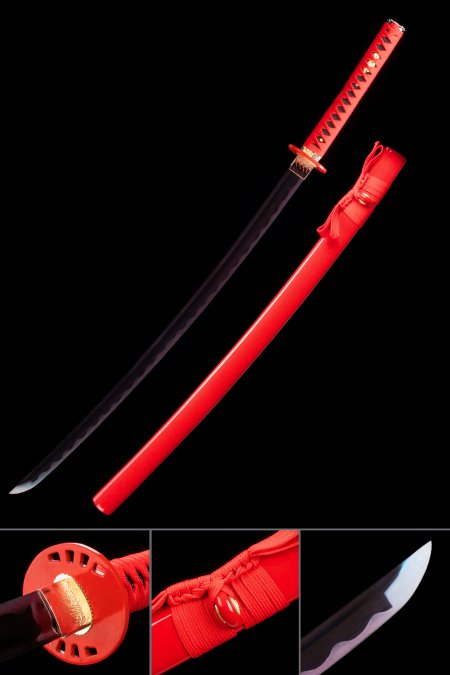
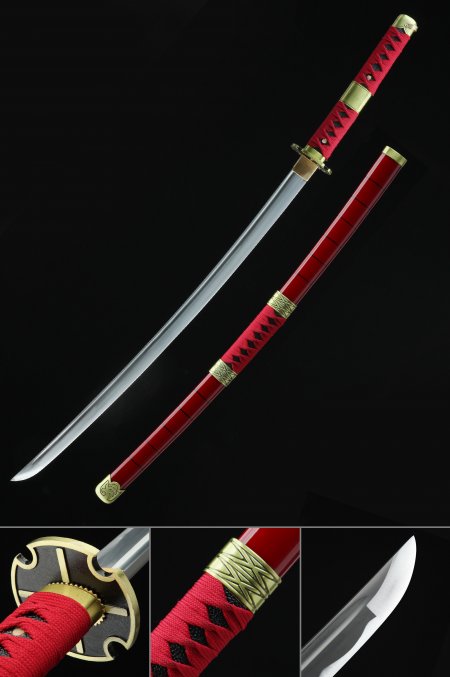
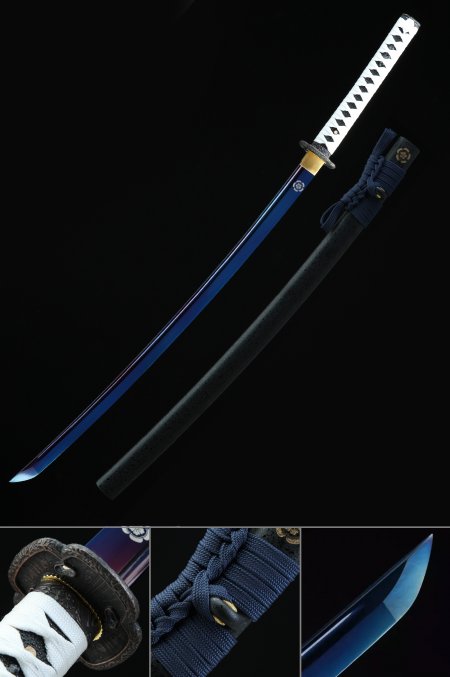
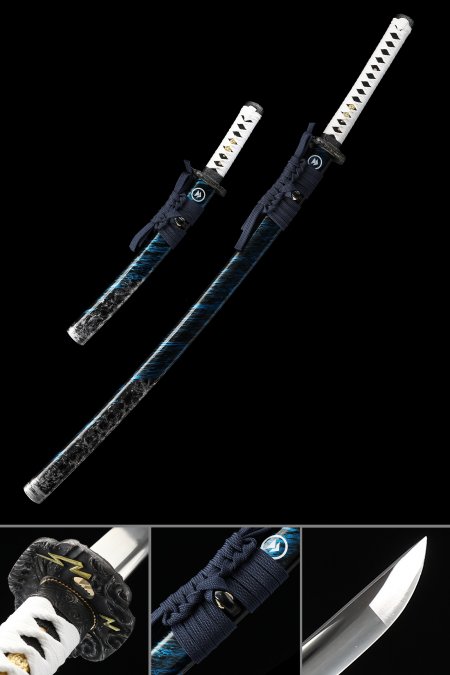
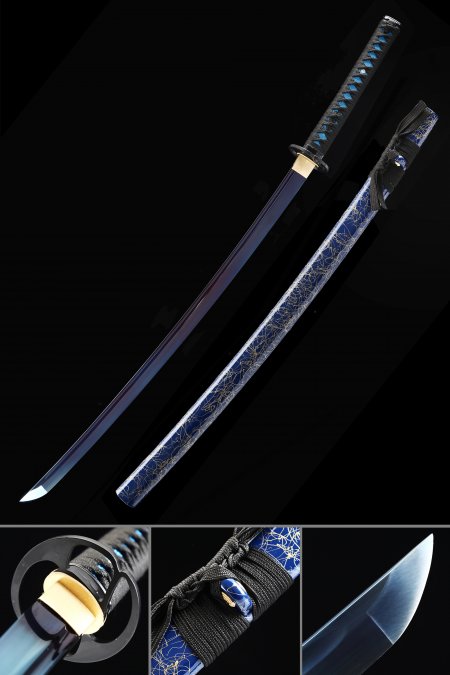
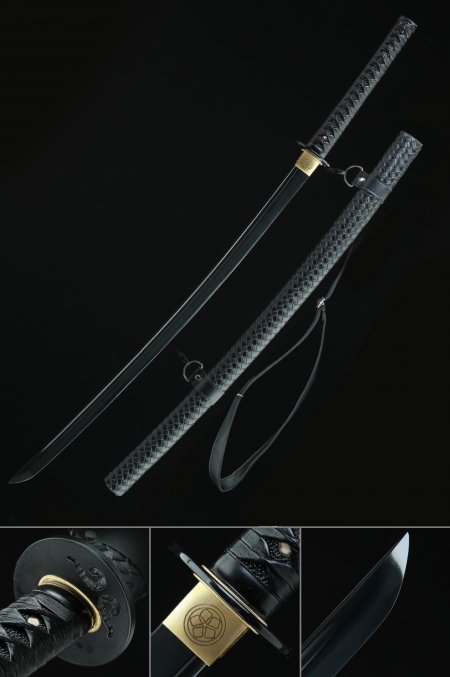
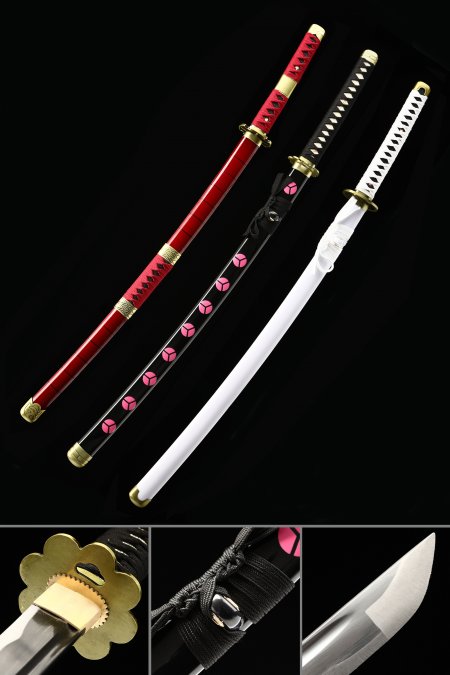
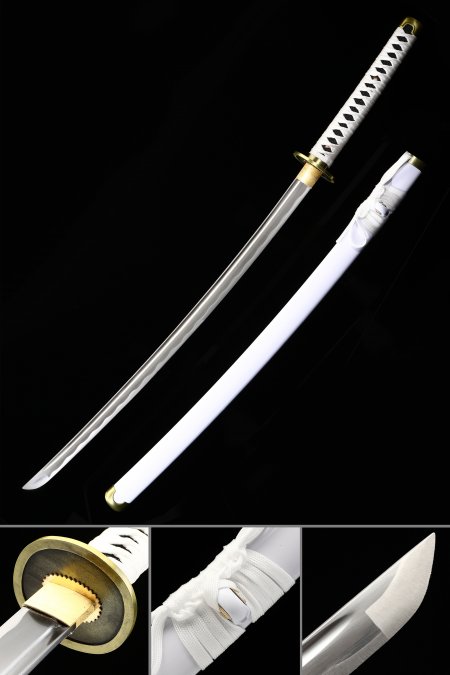
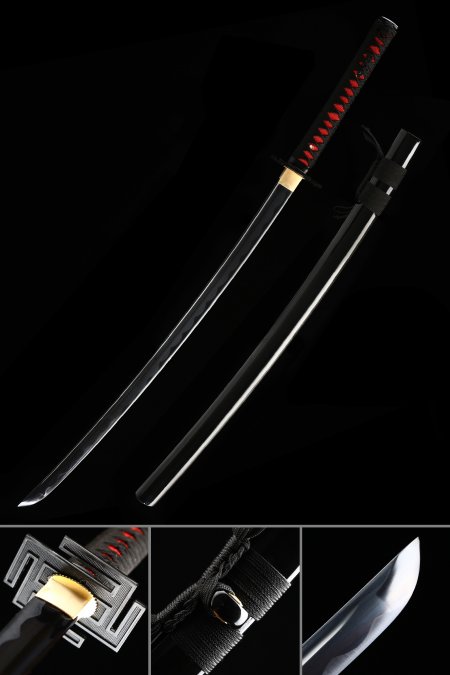
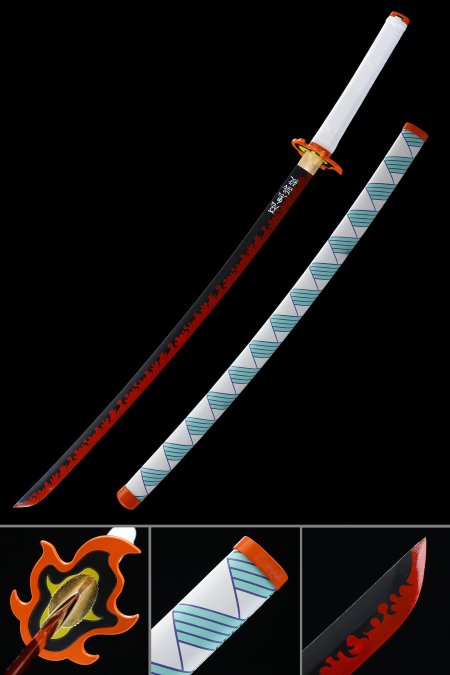
The tsuba is the handguard of a Japanese sword, and in a collection context it is often the most expressive single fitting on the piece. A snake motif tsuba draws from Japanese and broader East Asian symbolism - the serpent represents transformation, wisdom, and cyclical time, giving the blade a mythological narrative that resonates strongly in display contexts. A chrysanthemum tsuba references kiku, the sixteen-petaled imperial flower of Japan that appears on the Imperial Seal - it signals refinement and cultural authenticity. For collectors assembling a themed display, choosing tsuba designs intentionally creates visual and narrative coherence across multiple pieces. Alloy-cast tsuba are also more dimensionally detailed than stamped versions, and the weight and texture of a well-made alloy tsuba adds a tactile quality that is immediately apparent when handling the piece.