How does T10 carbon steel differ from 1095 in these collectible katana?
Updated Mar 2026
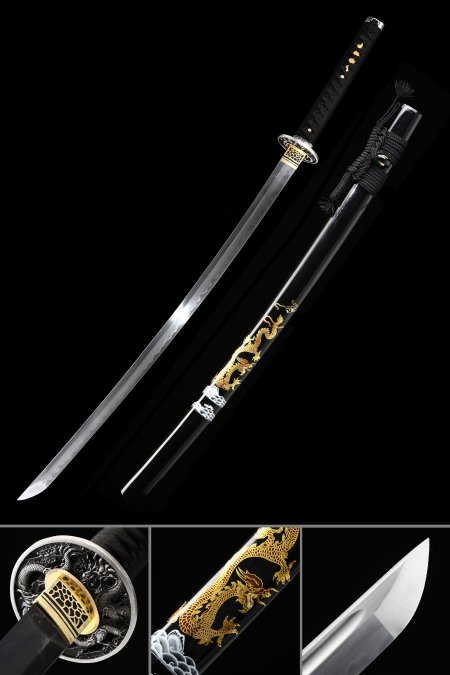
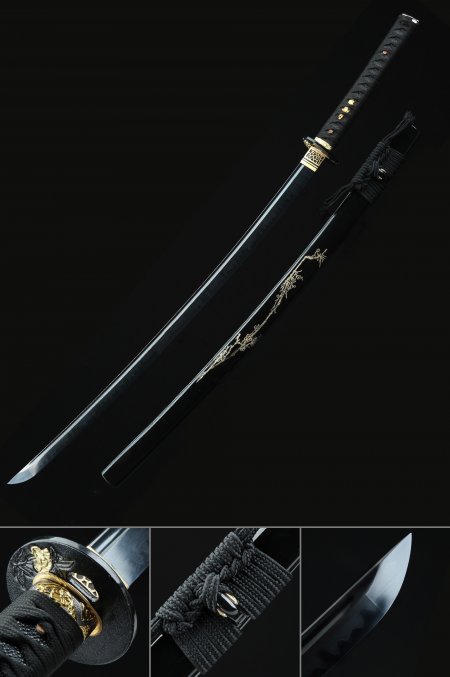
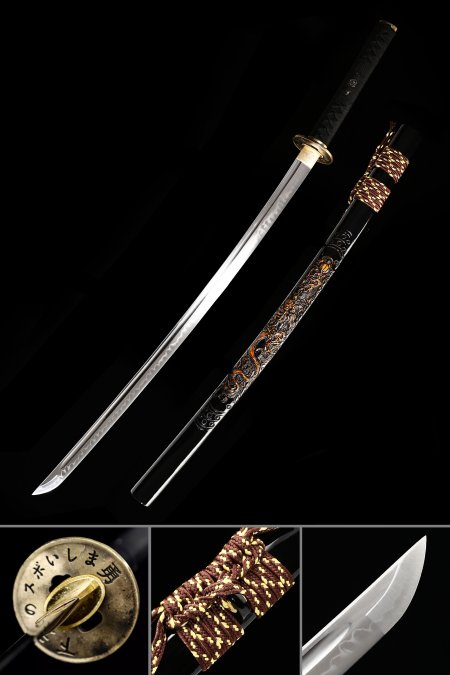
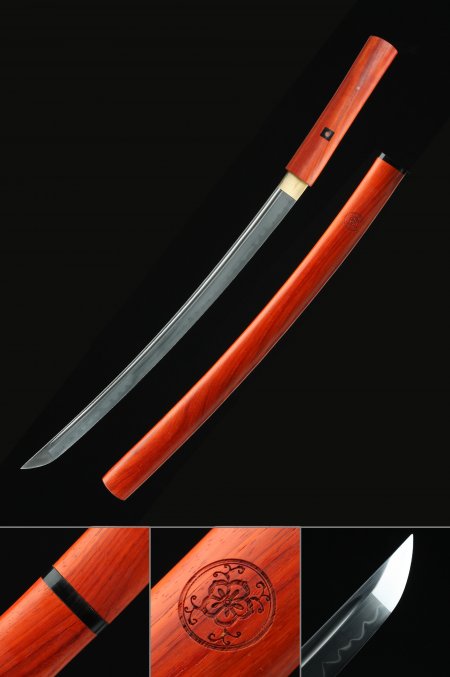
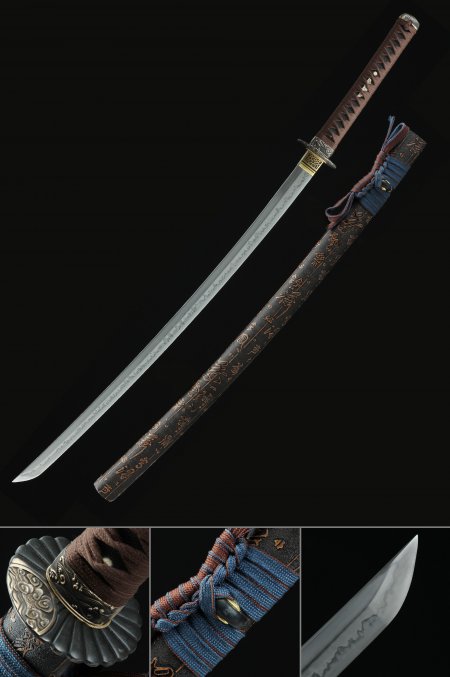
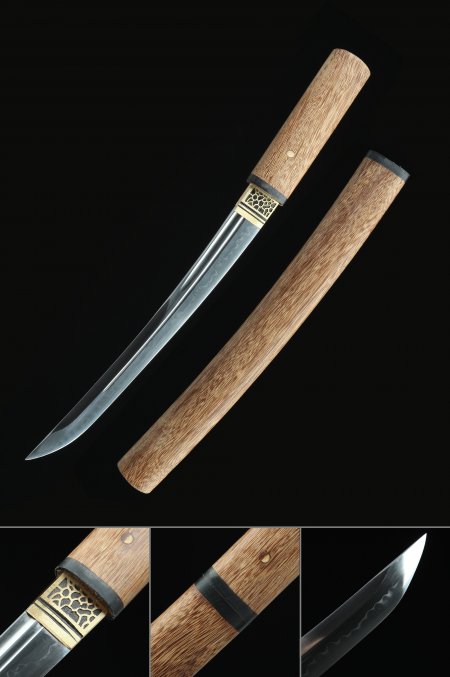
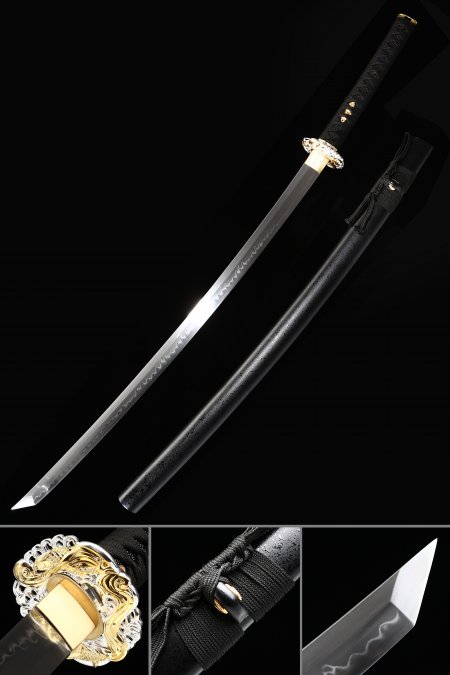
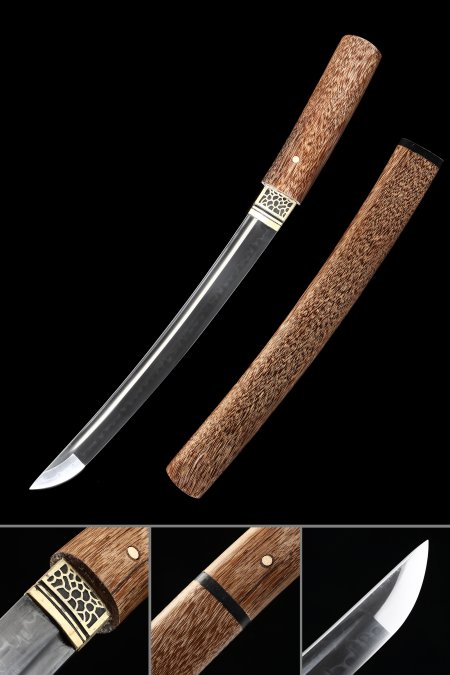
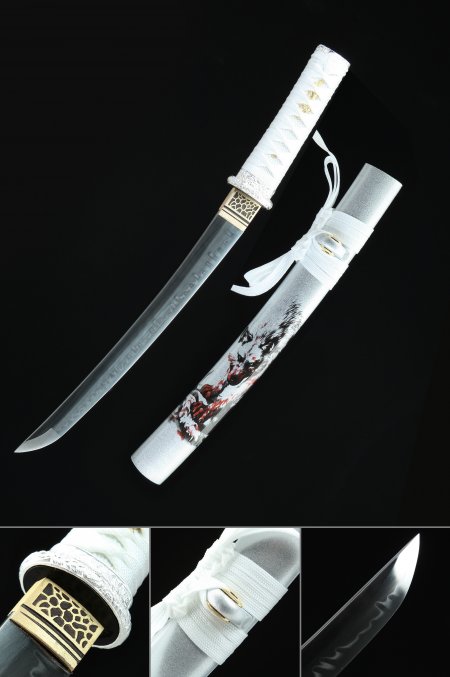
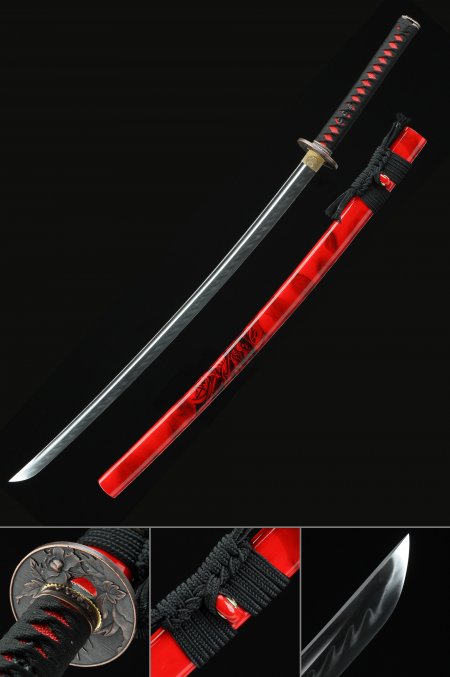
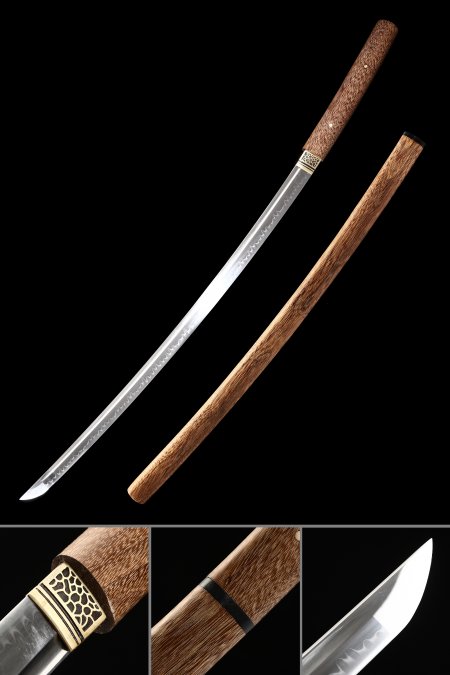
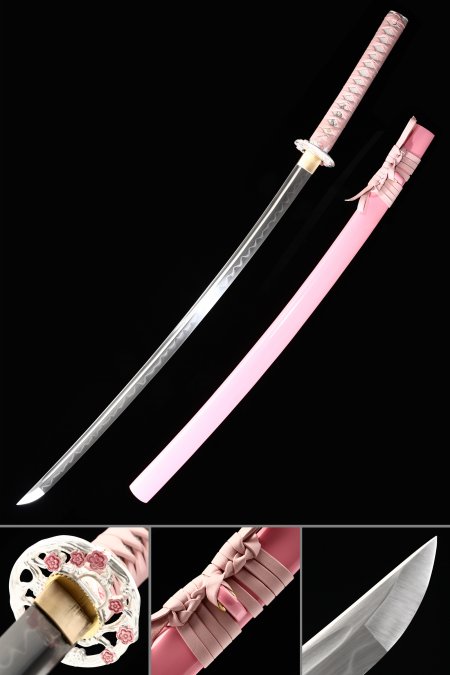
Both T10 and 1095 are high-carbon steels commonly used in hand-forged collectible katana, but they differ in composition and resulting character. T10 contains a small amount of tungsten (around 0.9–1.0% carbon plus trace tungsten), which improves wear resistance and allows the steel to hold a more refined edge geometry during polishing — it's also more responsive to differential clay-tempering, producing a visible and well-defined hamon. 1095 is a simpler high-carbon alloy (0.95% carbon) that is slightly more forgiving during the forging and heat-treatment process, making it popular for bold finishes like black oxidized blades. For display collectors, T10 pieces with a genuine hamon offer more visual complexity and metallurgical storytelling, while 1095 blades with blackened finishes deliver a dramatically modern aesthetic. Both steels require the same basic care: light oil coating and dry storage to prevent surface oxidation.