Light Green Handle Katana
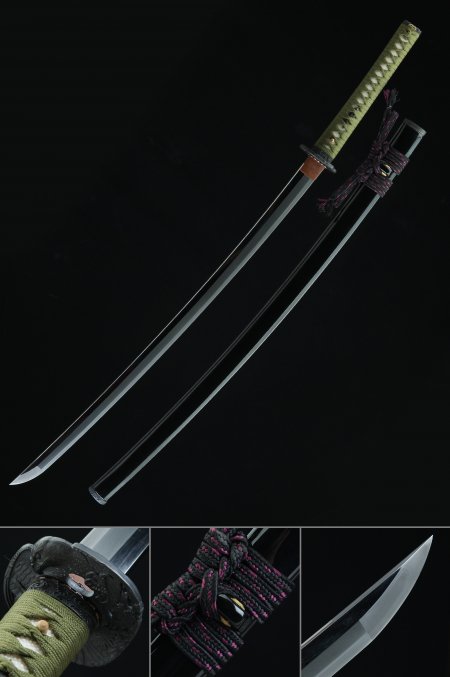
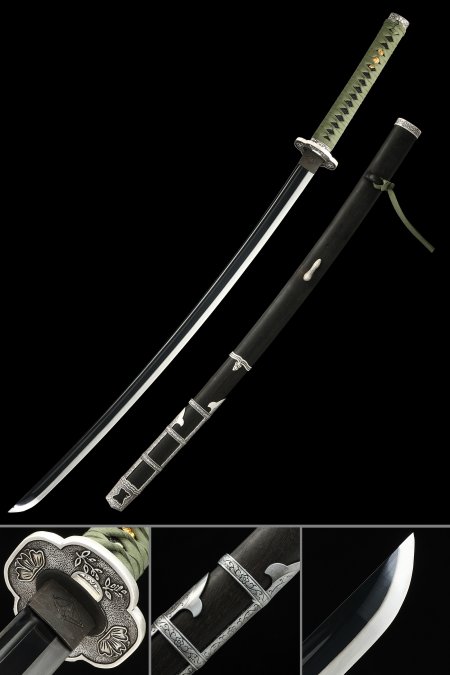
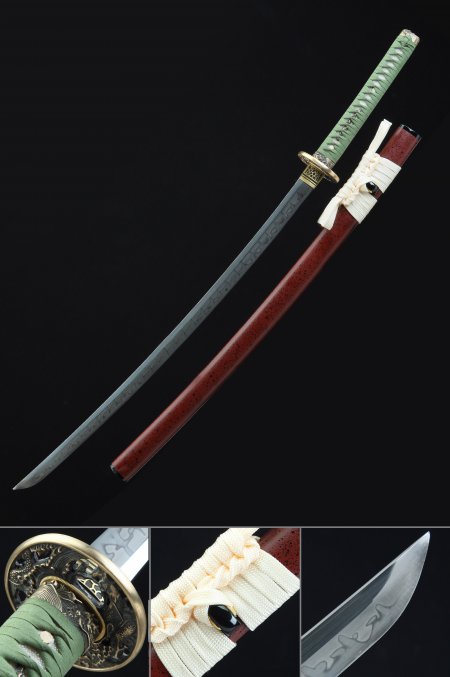
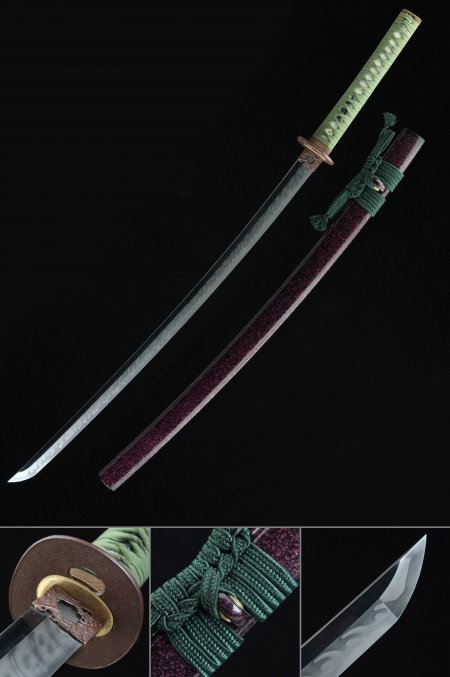
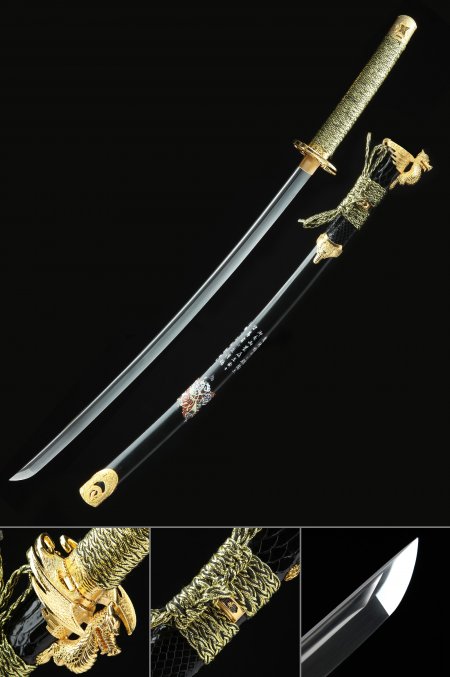
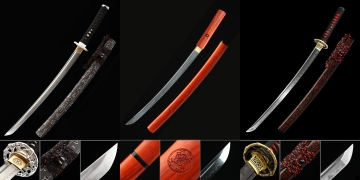
Light green handle katana collections bring a refined, nature-inspired aesthetic to traditional Japanese sword craftsmanship. Each piece in this collection features hand-wrapped tsuka in sage or mint tones, paired with lacquered saya and ornate tsuba that reflect authentic koshirae sensibility — thoughtfully assembled for display and private collecting. Enjoy free shipping on your order, backed by our hassle-free return policy.
Related Collections
Frequently Asked Questions
What does the light green ito wrapping say about a katana's koshirae style?
In traditional Japanese sword mounting, ito color is a deliberate aesthetic choice that signals the overall character of the koshirae — the complete suite of fittings that dress the blade. Light green ito, whether in sage, celadon, or mint, aligns with a nature-influenced aesthetic rooted in wabi-sabi sensibility. Historically, muted natural tones were favored by samurai who valued understated elegance over ostentatious display. On a modern collectible katana, light green tsuka-ito typically contrasts against dark lacquered saya (scabbard) finishes in black, maroon, or deep red, creating a layered visual dynamic that feels both classical and distinctive. It's a color choice that reads as considered and refined — appealing to collectors who want something more unusual than the ubiquitous black or red handle, without veering into overtly decorative territory.
How does T10 carbon steel differ from 1095 in these collectible katana?
Both T10 and 1095 are high-carbon steels commonly used in hand-forged collectible katana, but they differ in composition and resulting character. T10 contains a small amount of tungsten (around 0.9–1.0% carbon plus trace tungsten), which improves wear resistance and allows the steel to hold a more refined edge geometry during polishing — it's also more responsive to differential clay-tempering, producing a visible and well-defined hamon. 1095 is a simpler high-carbon alloy (0.95% carbon) that is slightly more forgiving during the forging and heat-treatment process, making it popular for bold finishes like black oxidized blades. For display collectors, T10 pieces with a genuine hamon offer more visual complexity and metallurgical storytelling, while 1095 blades with blackened finishes deliver a dramatically modern aesthetic. Both steels require the same basic care: light oil coating and dry storage to prevent surface oxidation.
How should I store and maintain a light green ito katana for long-term display?
Preserving the quality of a display katana involves attention to both the blade and the handle materials. For the blade, apply a thin coat of choji oil or mineral oil every one to three months — this prevents oxidation on carbon steel and keeps the hamon visible and clean. For the light green ito wrapping, avoid prolonged exposure to direct sunlight, which can fade silk or synthetic cord over time. Humidity is the bigger concern: store the katana horizontally on a display stand in an environment between 45–55% relative humidity. Excess moisture can cause the same (ray skin or synthetic grip base) to loosen and may affect the lacquer finish on the saya. A silica gel packet inside a display case helps regulate moisture without contact with the sword itself. Never store the blade inserted in the saya for months without periodic removal and inspection.
Are dragon tsuba pieces a good match for a light green handle katana?
Dragon tsuba are one of the most visually compatible guard choices for light green koshirae builds. The organic, flowing lines of a dragon motif — whether rendered in iron, bronze, or brass — echo the natural associations of green ito without requiring a literal thematic match. Bronze-finish dragon tsuba in particular create a warm metallic bridge between a cool-toned handle and a dark lacquered saya, preventing the color palette from feeling too cool or flat. From a collector's standpoint, dragon-motif fittings also carry strong cultural resonance: in Japanese iconography, the dragon (ryu) represents power, protection, and auspicious fortune — associations that have made it the most enduring decorative motif in historical sword furniture. Display pieces combining dragon tsuba with light green ito photograph exceptionally well and tend to be strong conversation pieces in curated collections.
Is a light green handle katana a suitable gift for a Japanese sword enthusiast?
Light green koshirae katana make particularly thoughtful gifts for collectors who already own one or two conventional black or red handle pieces and are ready to diversify their display. The color is distinctive without being garish, and the range of blade types available — from hamon-bearing T10 steel to oxidized 1095 builds — means you can select a piece that matches the recipient's known steel preferences. For gifting, prioritize pieces that include a full koshirae set (tsuba, habaki, fuchi-kashira, and lacquered saya) rather than bare-blade configurations, as the complete mounting is what makes the display experience rewarding. If you're uncertain about blade steel preference, a T10 carbon steel piece with a visible hamon is broadly appreciated among enthusiasts for its metallurgical craftsmanship. Consider pairing the katana with a quality display stand for an immediately presentable gift.