How does a ninjato differ from a traditional katana for collectors?
Updated Mar 2026
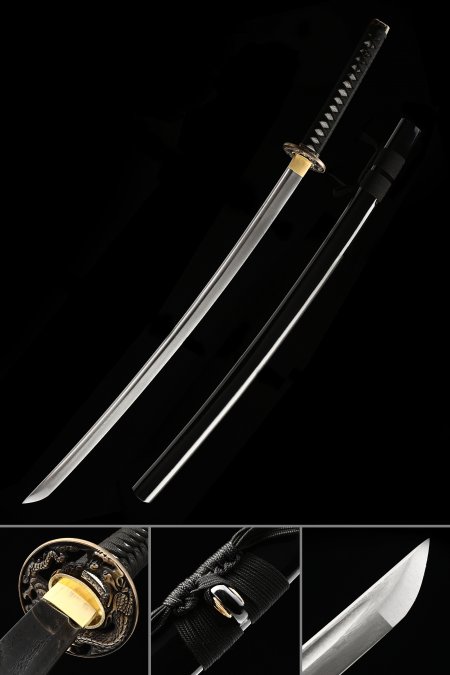
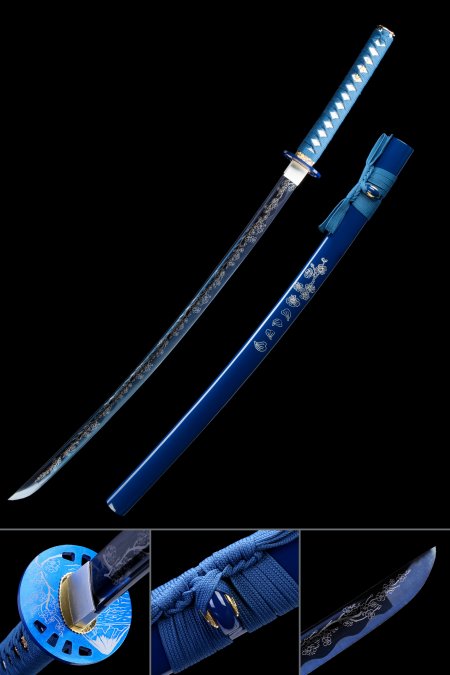
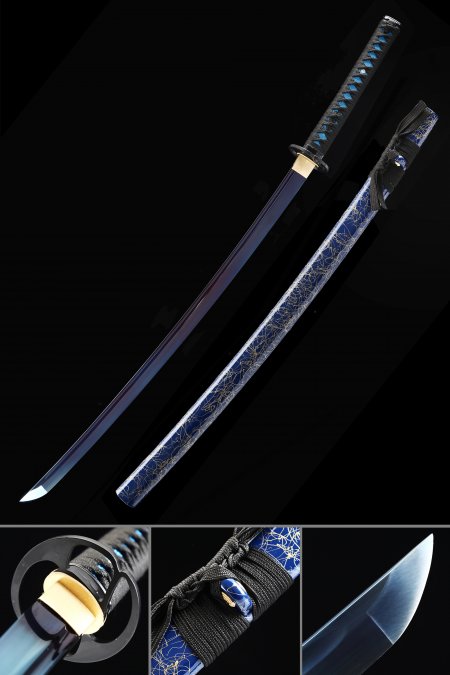
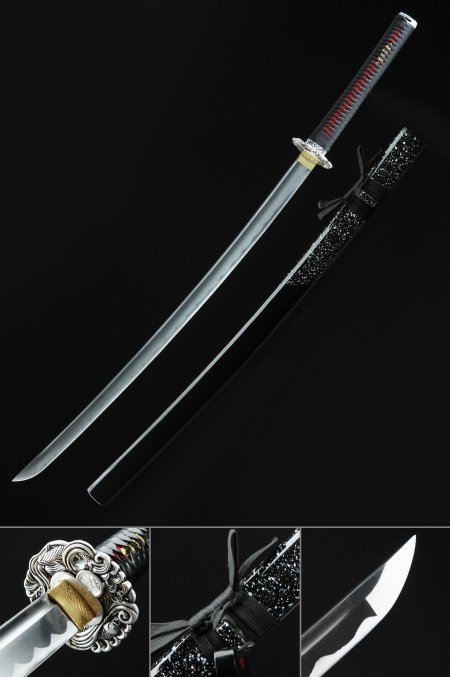
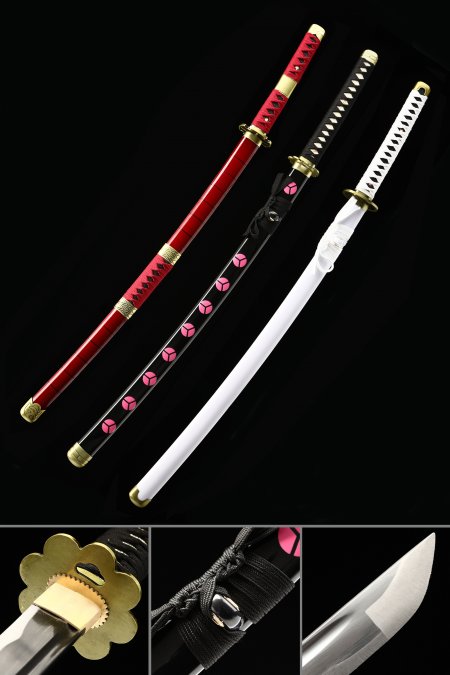
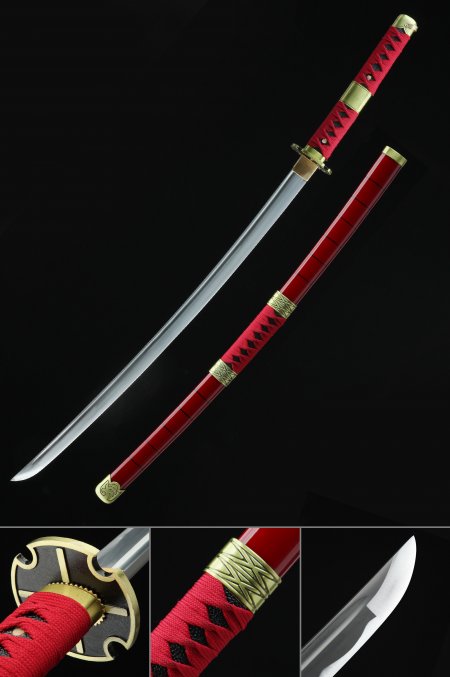
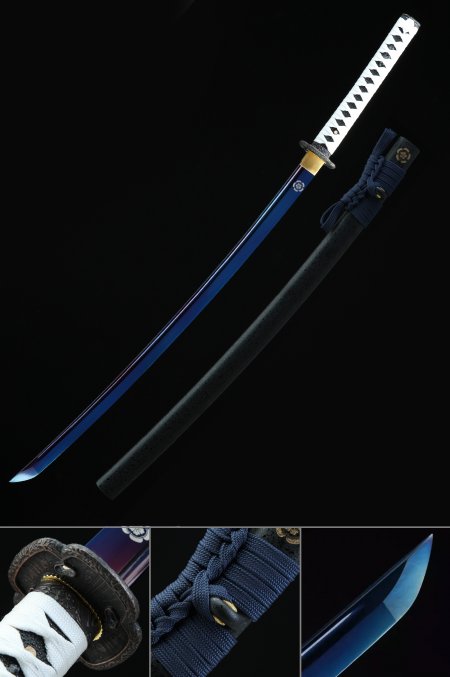
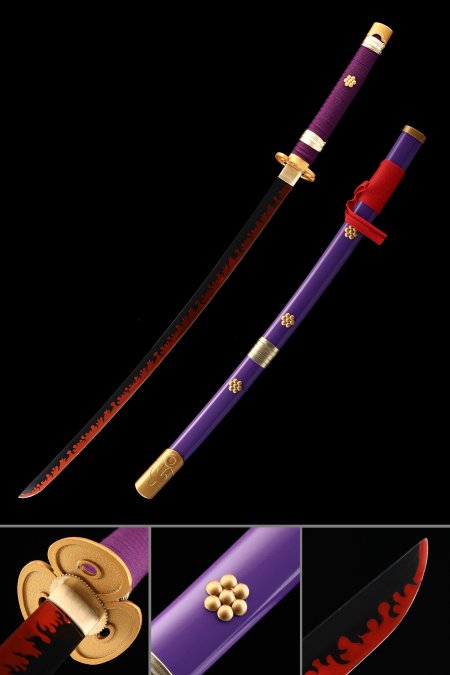
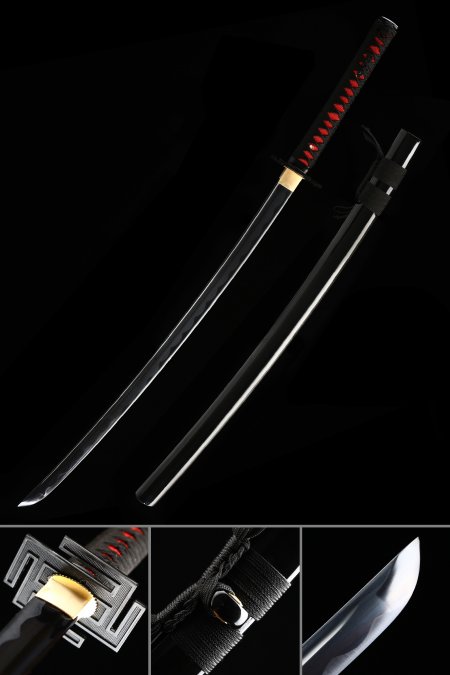
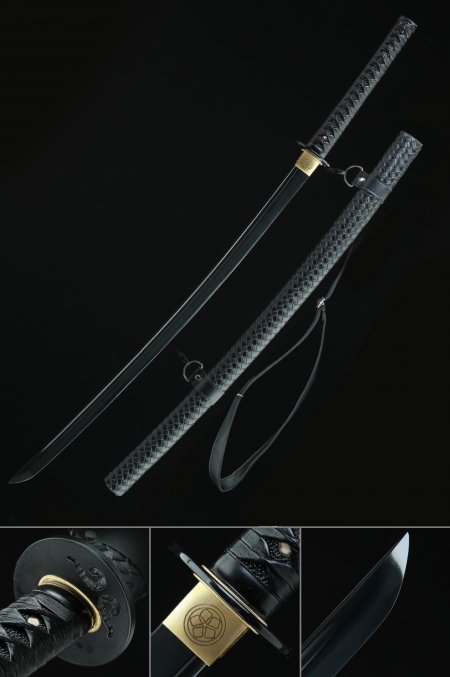
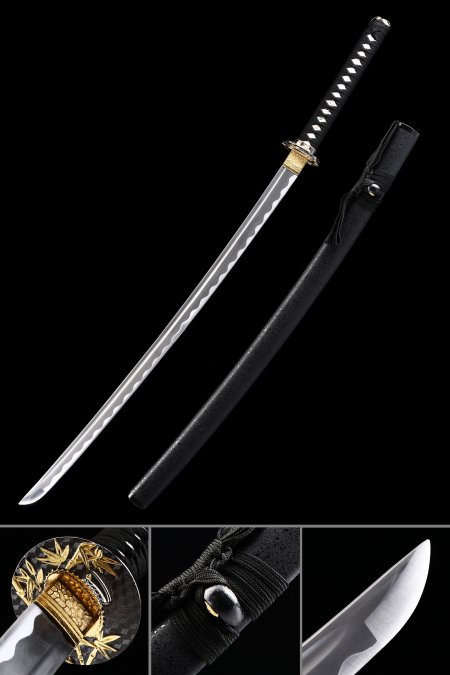
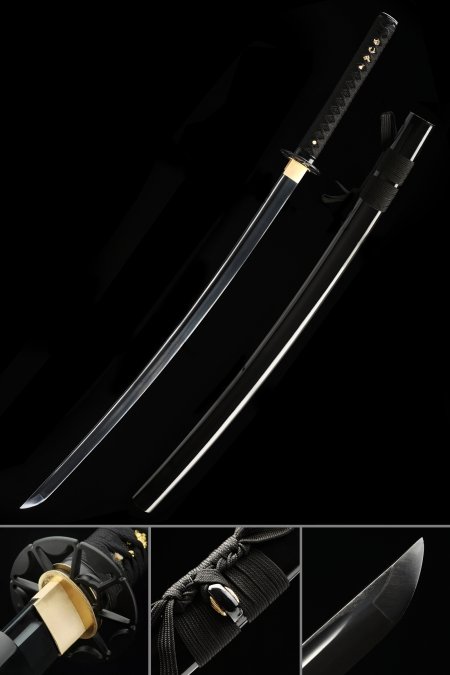
The most immediate difference is blade geometry. A katana features a pronounced curvature - the sori - that is central to both its cutting mechanics and its visual elegance. A ninjato has a straight or nearly straight blade, which gives it a more angular, geometric profile on display. The blade length on a ninjato also tends to be shorter than a standard katana, and the tsuba (guard) is traditionally square rather than round or oval, though many modern collectible versions use decorative tsuba of varied shapes. From a collector's standpoint, the ninjato appeals to those drawn to the aesthetic of straight-blade Japanese sword forms and the cultural mythology surrounding shinobi traditions. It pairs well alongside curved-blade pieces in a mixed collection, providing visual contrast. For collectors specifically focused on straight-blade Japanese swords, also consider exploring the chokuto sword category, which represents an earlier straight-blade tradition predating the curved katana form.