What makes orange lacquer saya historically significant?
Updated Mar 2026
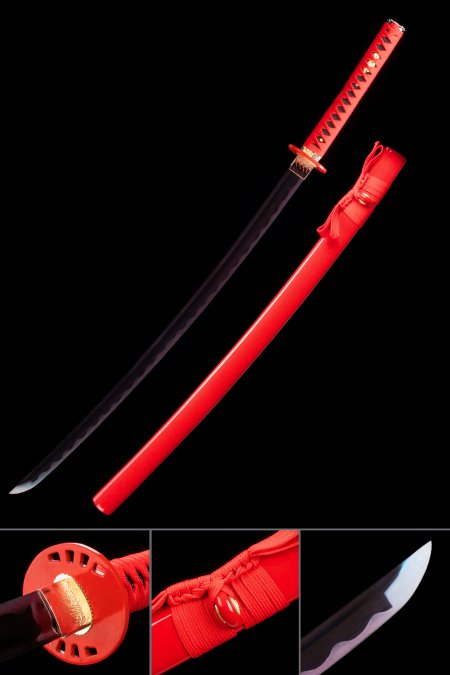
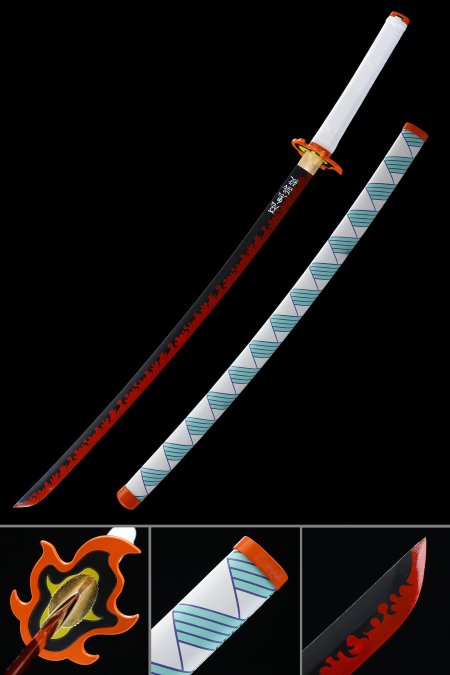
In classical Japanese sword culture, the color and finish of a saya communicated social standing and aesthetic sensibility as clearly as the blade itself. Deeply pigmented lacquer saya - including orange and vermilion tones - were associated with high-ranking samurai and ceremonial presentation pieces rather than everyday carry. The lacquering process itself, known as urushi-nuri when using traditional Japanese lacquer, involves multiple applied and cured layers that create a depth of color impossible to achieve with surface paint. On collector pieces today, the orange saya continues to signal intentional craftsmanship: it is a choice made for visual presence and display impact, directly referencing the aesthetic vocabulary of historical Japanese sword culture.