Orange Saya Tachi
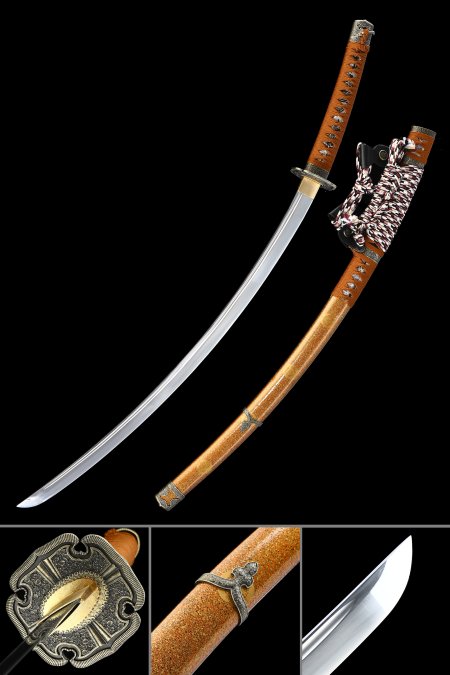
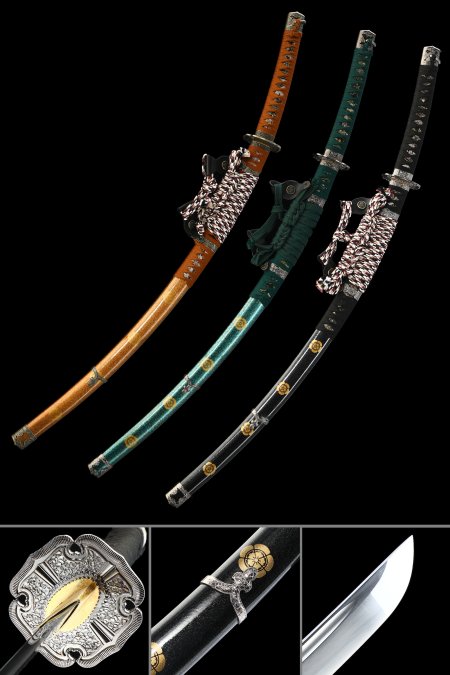
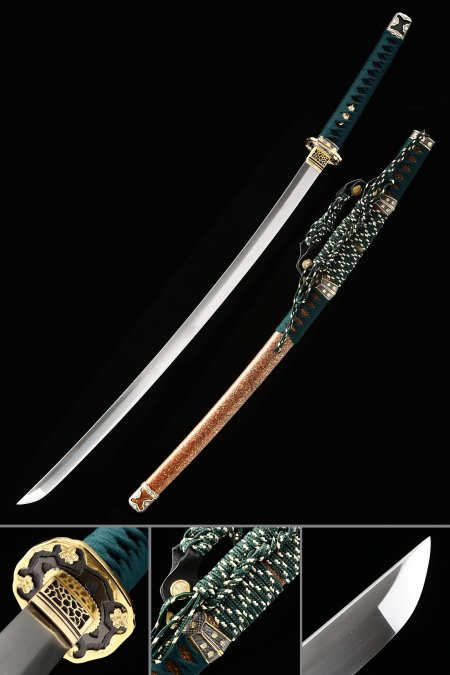
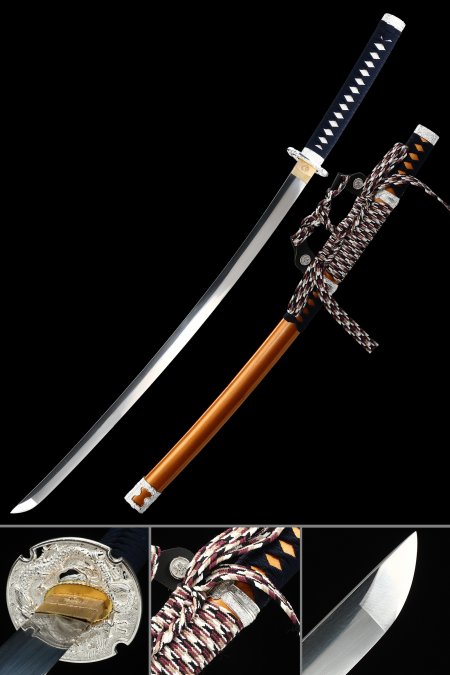
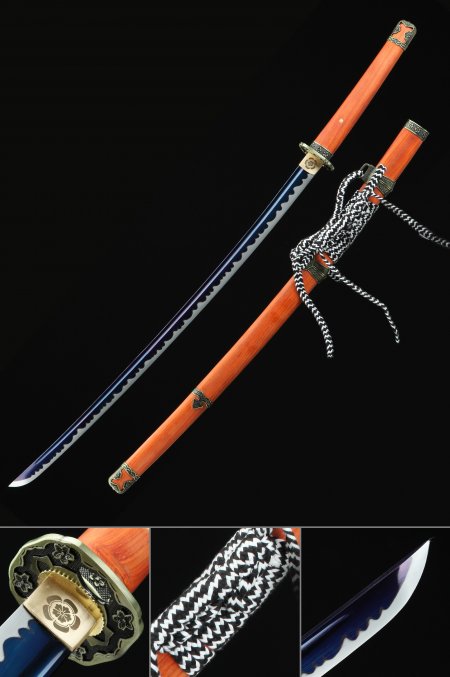
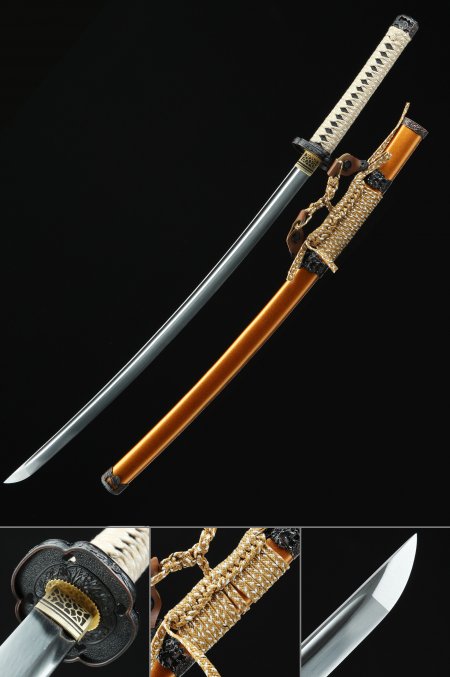
Orange Saya Tachi swords bring together the commanding length of classical Japanese tachi and odachi forms with the warm, striking presence of lacquered or hardwood saya in vivid orange. Each piece is hand-forged from high-carbon or high-manganese steel, fitted with full-tang construction, and paired with thoughtfully matched tsuba, ito, and tsuka components - making every sword a complete display-ready composition. Free standard shipping is included on all orders, and we stand behind every piece with a hassle-free return policy.
ON SALE 15% OFF
$759.00$899.00
2 Reviews
ON SALE 15% OFF
$199.00$229.00
Related Collections
Frequently Asked Questions
What makes orange lacquer saya historically significant?
In classical Japanese sword culture, the color and finish of a saya communicated social standing and aesthetic sensibility as clearly as the blade itself. Deeply pigmented lacquer saya - including orange and vermilion tones - were associated with high-ranking samurai and ceremonial presentation pieces rather than everyday carry. The lacquering process itself, known as urushi-nuri when using traditional Japanese lacquer, involves multiple applied and cured layers that create a depth of color impossible to achieve with surface paint. On collector pieces today, the orange saya continues to signal intentional craftsmanship: it is a choice made for visual presence and display impact, directly referencing the aesthetic vocabulary of historical Japanese sword culture.
How does a tachi differ from a katana in blade geometry?
The tachi predates the katana by several centuries and was designed for a fundamentally different wearing and drawing context. Tachi were suspended edge-down from the belt using a suspension cord system, and their blades tend to be longer and more deeply curved than katana - typically 70 cm or more in blade length, with a curvature (sori) that begins closer to the tang rather than the middle of the blade. This geometry suited mounted use and ceremonial procession. The katana, by contrast, was worn edge-up through the belt (obi), which influenced its straighter profile and shorter average length. For display collectors, the tachi's longer, more curved profile creates a dramatically different visual line on a wall mount or stand compared to a katana.
What is the practical difference between 1045 and 1095 carbon steel?
Carbon content is the key variable. 1045 carbon steel contains approximately 0.45% carbon, which produces a tough, resilient blade that resists flexing and stress - useful in larger odachi formats where the blade's own length creates leverage forces. 1095 carbon steel contains roughly 0.95% carbon, nearly double, which allows the steel to develop more pronounced hamon (the temperline created by differential hardening) and hold finer edge geometry through the polishing process. For display collectors, 1095 is generally the preferred choice because the visible hamon activity and surface character are more pronounced, offering more visual detail to appreciate up close. 1045 pieces tend toward a cleaner, more uniform appearance that suits certain minimalist display aesthetics.
How should I care for a lacquered saya in a display setting?
Lacquered saya are durable under normal indoor display conditions but benefit from a few specific precautions. Avoid mounting in direct sunlight or near windows with significant UV exposure - prolonged UV light will gradually fade orange and vermilion lacquer tones and can cause surface checking (fine cracks) in the lacquer layers. Humidity is equally important: lacquer expands and contracts with moisture changes, so maintaining a relatively stable indoor humidity between 40% and 60% RH prevents long-term surface damage. For cleaning, a soft dry cloth is sufficient for dust removal. Never use solvent-based cleaners on lacquered saya. The blade inside should receive a light application of choji oil (clove oil-based sword oil) every three to six months to prevent oxidation, applied with a soft cloth and wiped to a thin, even coat.
Are orange saya tachi suitable as display gifts for collectors?
Orange saya tachi make a genuinely distinctive gift for Japanese sword enthusiasts precisely because the color is less common than black or brown saya in most collections. The visual contrast - a vivid orange scabbard against polished carbon steel or a blue-tinted blade - photographs exceptionally well and creates immediate display impact in any room. For gifting purposes, sets that include both tachi and companion pieces (such as the three-piece odachi sets in this collection) offer additional value and allow the recipient to create a cohesive themed display. Consider pairing with a dedicated sword display stand, which is sold separately on the site, to complete the presentation. Pieces with chrysanthemum tsuba are particularly well-regarded among collectors familiar with Japanese motif symbolism, as the chrysanthemum carries associations with the imperial household and enduring elegance.
Customer Reviews
Danney Rodgers
Texas, United States
Gorgeous, took a little while to get, but worth the wait. I would buy another. Blade is sharp and straight.
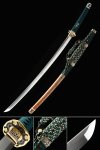 |
Tachi Sword High Manganese Steel with Orange Lacquer Saya - Teal Ito & Gold-Black Chrysanthemum Tsuba |