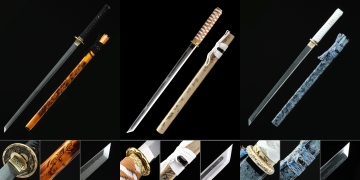
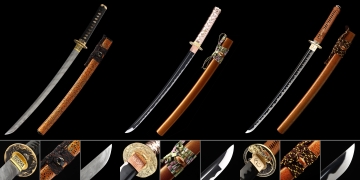
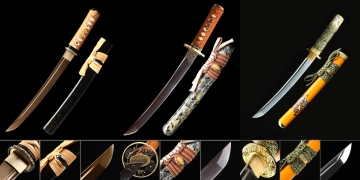
What makes a tachi different from a katana in design?
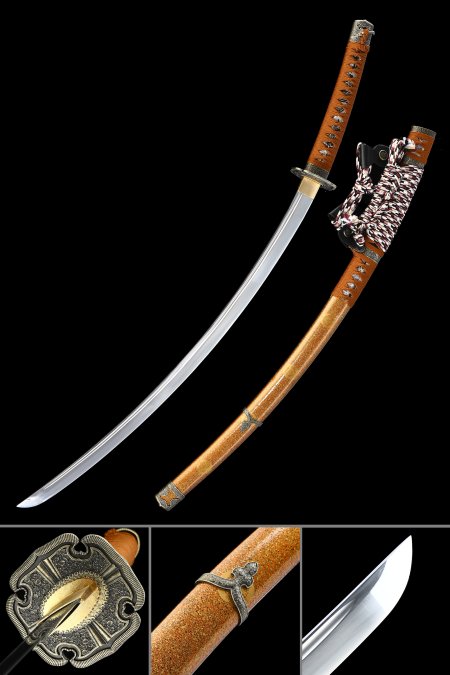
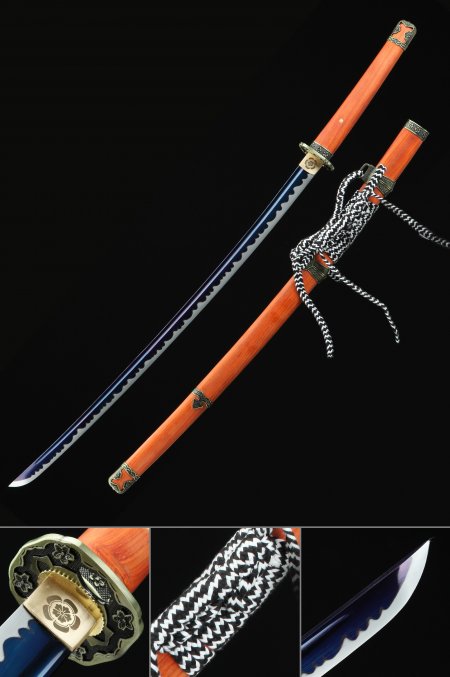
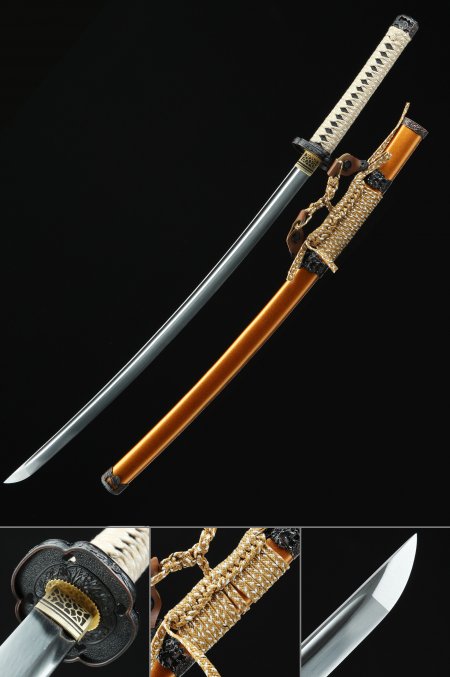
The tachi predates the katana and features a deeper curvature concentrated closer to the hilt, a longer blade typically exceeding 27 inches, and a distinct mounting style designed for edge-down carry suspended from a belt. Katana evolved later with a shallower, more evenly distributed curve and were worn edge-up thrust through an obi sash. On a display stand you can spot the difference immediately: a tachi's signature is sweeping arc near the nakago, and its habaki and tsuba tend to be slightly larger to accommodate the longer tang. Our orange tachi replicas faithfully reproduce these proportions, so collectors get historically accurate silhouettes rather than rebranded katana geometry.
Why is orange lacquer used on these tachi saya?
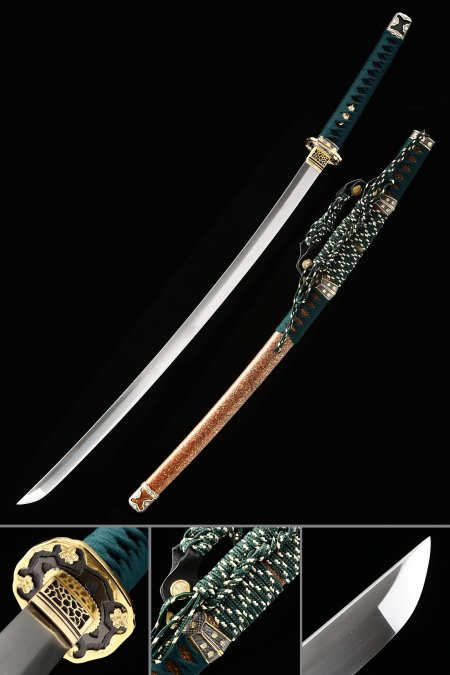
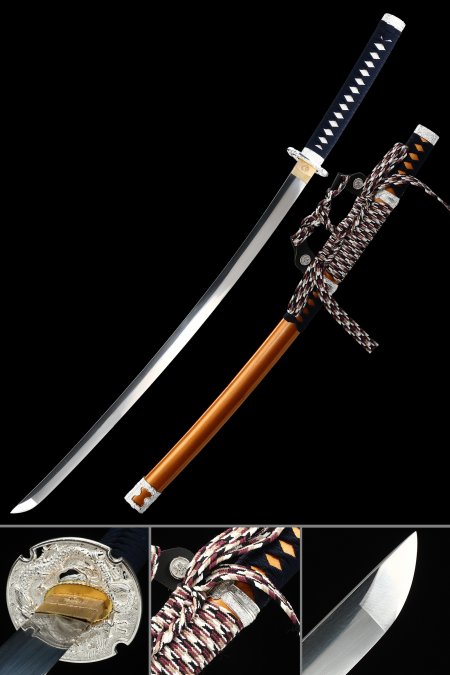
Orange lacquer on sword scabbards traces back to a Japanese decorative tradition where bold saya colors indicated personal taste, clan affiliation, or ceremonial purpose. The pigment was historically achieved by mixing vermillion and iron-oxide compounds into urushi lacquer. Our collection uses a modern multi-coat process that builds up depth and gloss while resisting humidity and UV fading. The result is a warm, luminous finish that pairs exceptionally well with gold-toned fittings like bronze chrysanthemum tsuba and contrasting ito wraps in teal or dark blue. For display purposes, orange saya stand out against neutral wall backgrounds and add visual warmth that cooler-toned swords cannot match.
What carbon steel grades are used in these orange tachi?
Most pieces in this collection use either 1045 or 1095 carbon steel. The 1045 grade offers a balanced combination of toughness and hardness around 48-50 HRC, making it resilient and well-suited for full-tang display swords that maintain their geometry over time. The 1095 grade has a higher carbon content that allows for differential hardening, producing a visible hamon temper line along the edge — a detail prized by collectors. Both steels respond well to traditional forging techniques and hold a clean polish. To preserve the finish, a light application of choji oil every few months prevents surface oxidation.
How should I display and maintain an orange lacquer tachi?
Mount your tachi on a horizontal sword stand with the edge facing down and the tsuka to the left, which is the traditional tachi display orientation. Keep it away from direct sunlight to prevent the lacquer from fading over time. For the saya, wipe occasionally with a soft microfiber cloth to remove dust and fingerprint oils. Avoid chemical cleaners — a slightly damp cloth followed by a dry one is sufficient. For the blade itself, apply a thin layer of choji oil or mineral oil using a flannel cloth every two to three months, and store a small silica gel packet near your display area if you live in a humid climate. This routine keeps both the lacquer and the steel in showcase condition for years.
Can I buy a matching set of orange tachi and odachi?
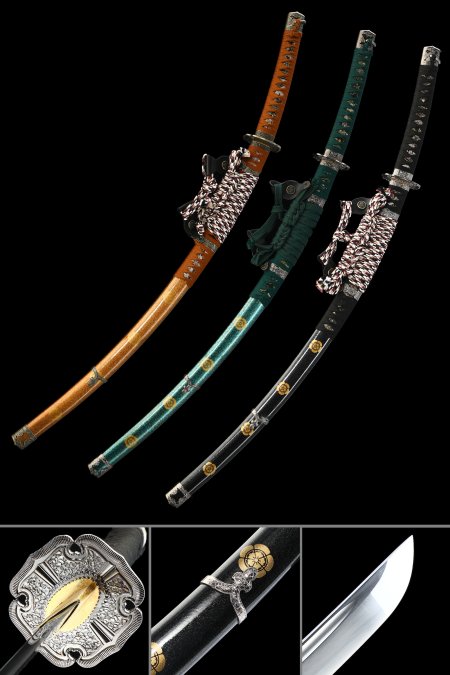
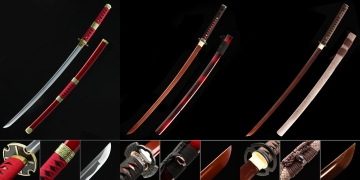
Yes. The collection includes a coordinated three-piece odachi set featuring orange, teal, and black lacquered saya designed to display together as a unified grouping. Each piece in the set shares consistent fitting styles — similar tsuba motifs, matching sageo cord tones, and harmonized ito wrap patterns — so the set looks intentional rather than randomly assembled. Multi-sword sets are popular among collectors who want to fill a wall-mounted display rack with a cohesive color story. Individual orange tachi can also be paired with pieces from our broader orange saya lineup to create custom combinations across katana, wakizashi, and tachi formats.