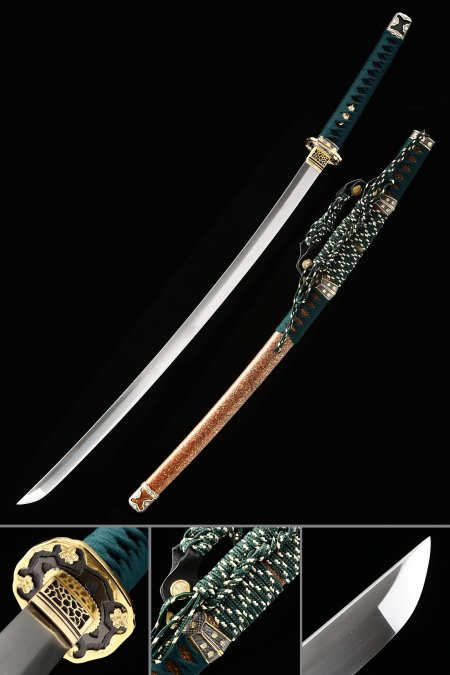
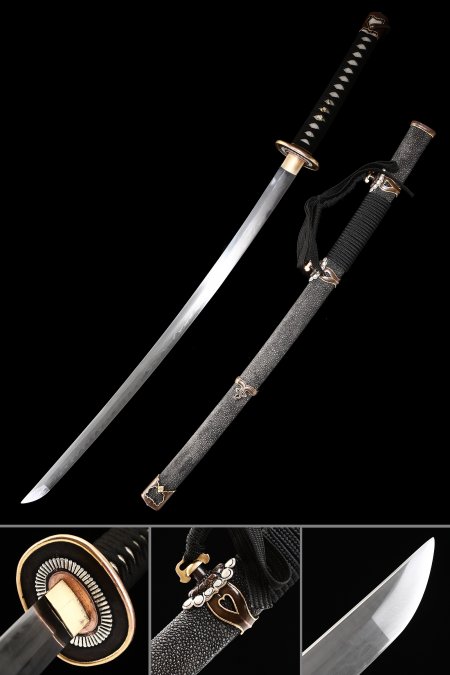
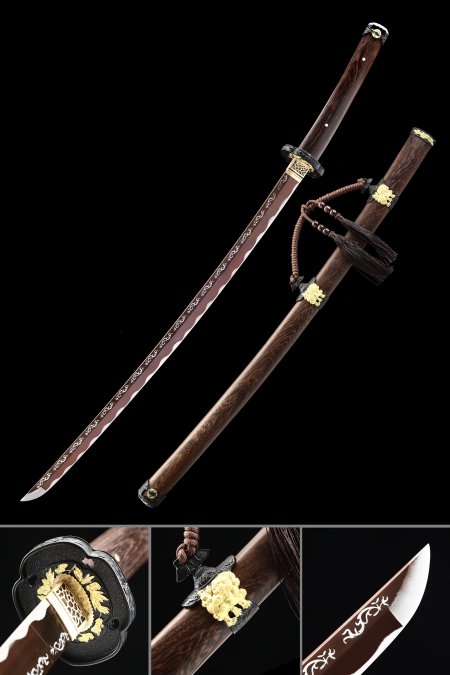
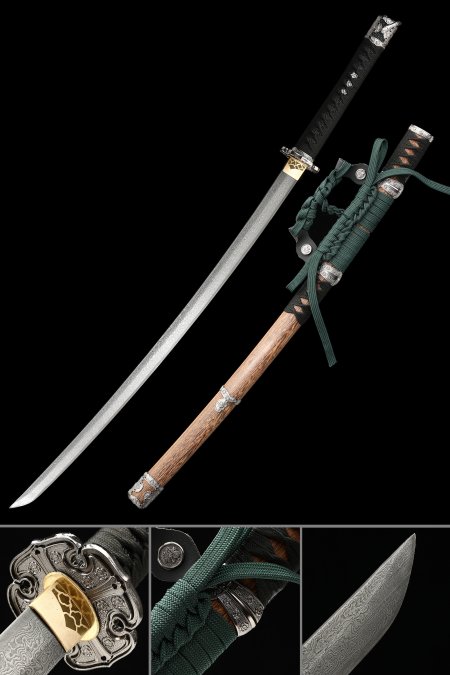
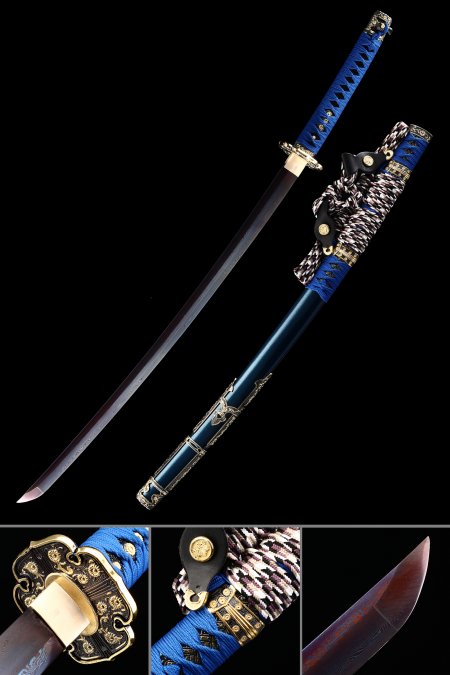
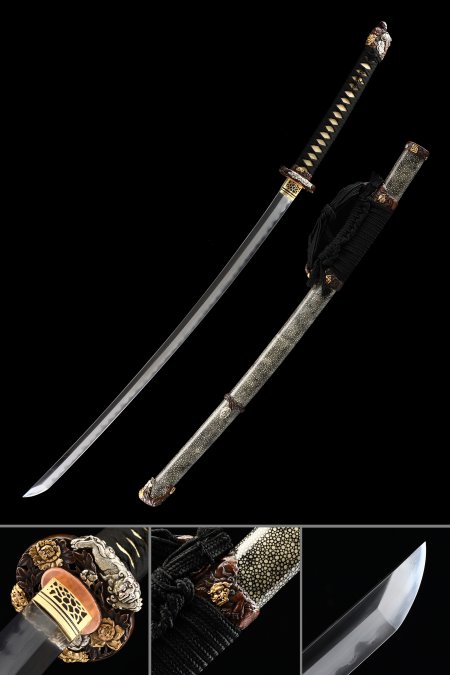
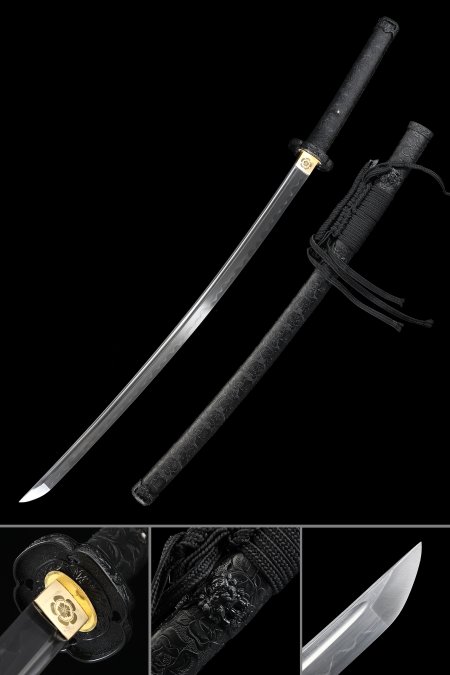
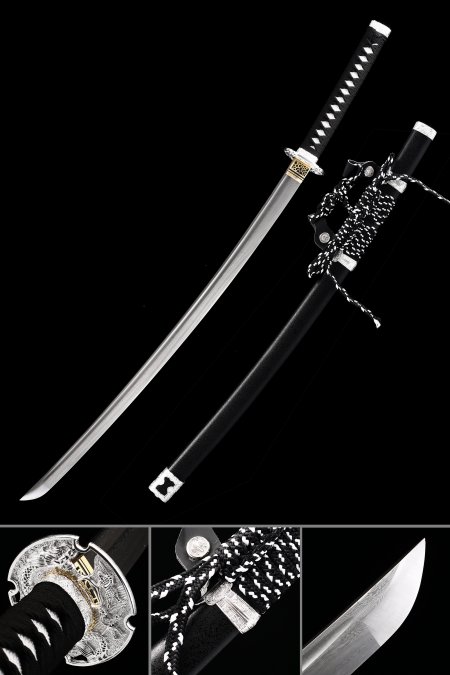
How does a gold silver tsuba differ from a traditional iron tsuba?
Updated Mar 2026
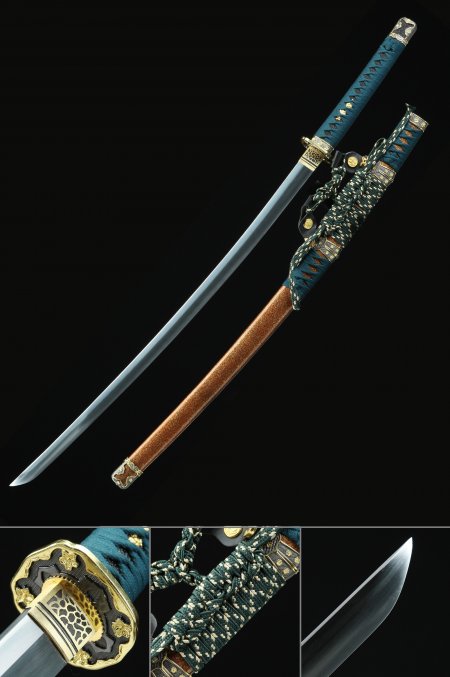
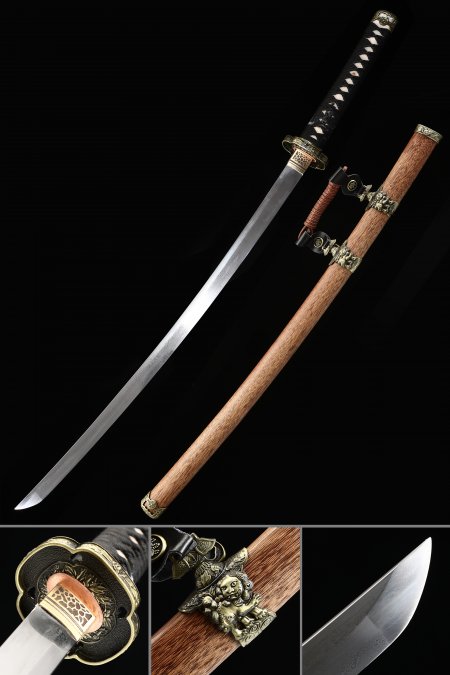
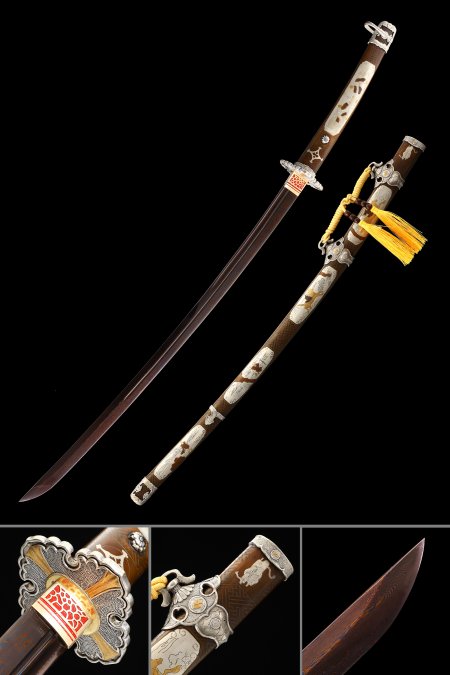
Classical Japanese tsuba produced for historical use were overwhelmingly made from iron (tetsu), with decoration achieved through carving, inlay, or surface texturing rather than precious metal finishes. Iron tsuba were valued for their understated, utilitarian character - often with a dark patina that complemented a working sword's overall subdued aesthetic. Gold and silver tsuba, by contrast, belong to a tradition of ceremonial and presentation swords (tachi and koshigatana used in court or ritual contexts) where ornate metal fittings signaled status and artistry. Modern collectibles in this style draw from that ceremonial lineage, prioritizing visual drama and display presence. The result is a piece far more suited to wall display or cabinet collections than the muted elegance of iron-guard examples.