How does T10 clay-tempered steel differ from 1045 carbon steel?
Updated Mar 2026
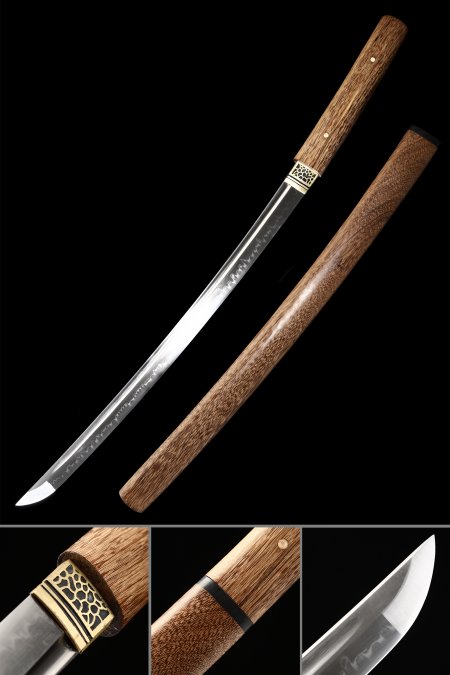
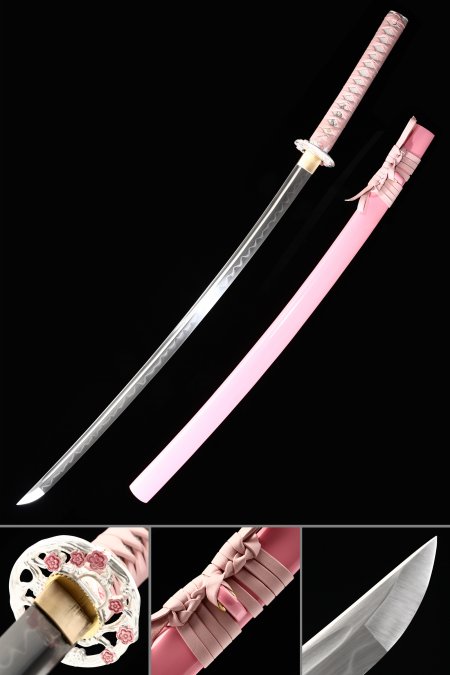
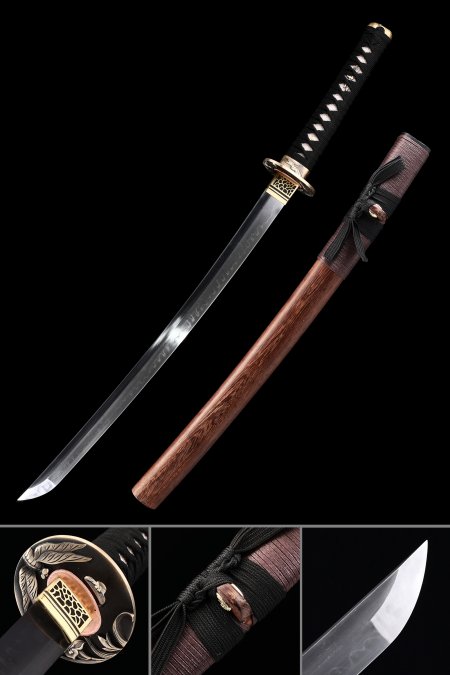
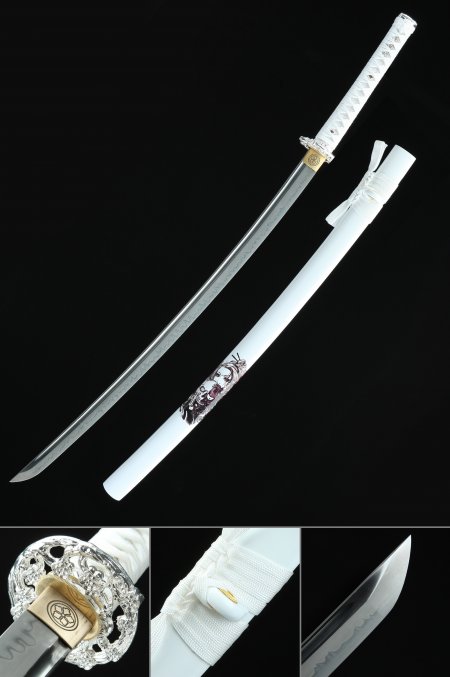
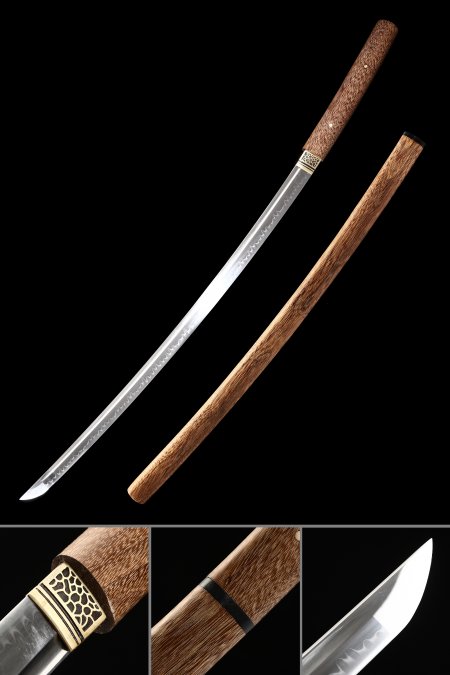
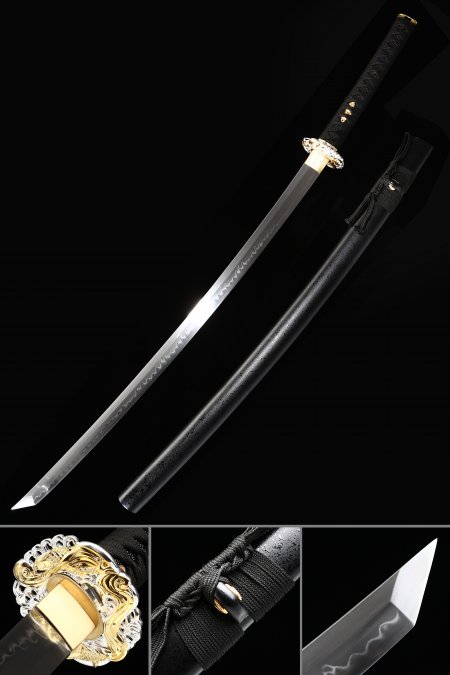
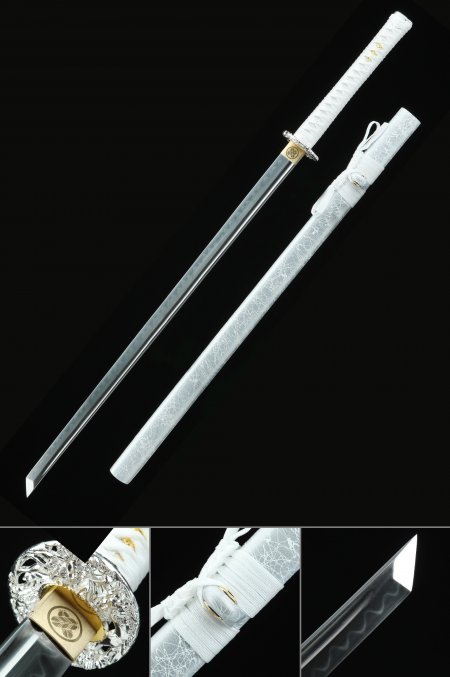
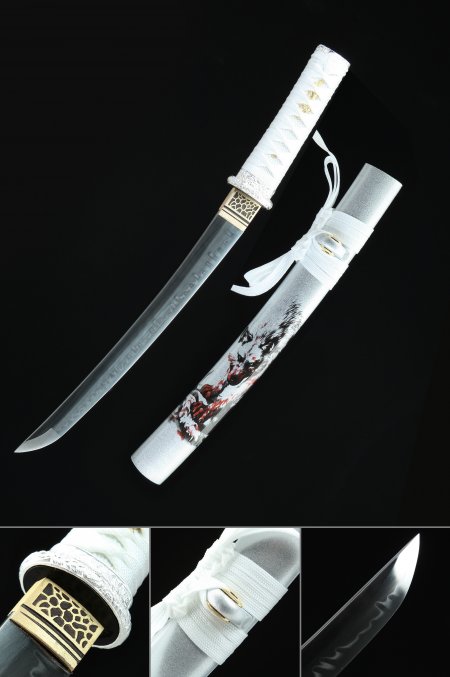
Both 1045 carbon steel and T10 carbon steel are high-carbon alloys used in hand-forged katana, but they differ meaningfully in composition and finishing capability. 1045 steel contains roughly 0.45% carbon and is valued for its toughness, predictable grain structure, and ease of consistent production — making it an excellent foundation for display pieces that prioritize durability and clean geometry. T10 steel carries a higher carbon content (approximately 1.0%) along with trace tungsten, which contributes to finer grain and improved hardness. More importantly, T10 is typically clay-tempered: a differential coating applied before the quench creates a hard edge zone and a softer spine, producing the visible hamon — the undulating temper line along the blade's edge — that is one of the most sought-after visual features in Japanese blade aesthetics. For collectors focused on authentic surface detail, a clay-tempered T10 blade offers significantly more visual complexity than an untempered 1045 piece.