Is there a meaningful performance difference between T10 steel and Damascus in an authentic Japanese
Updated Feb 2026
2 Viewed
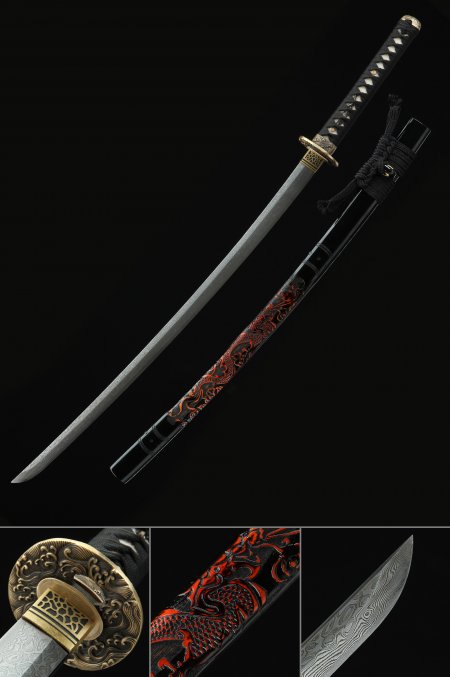
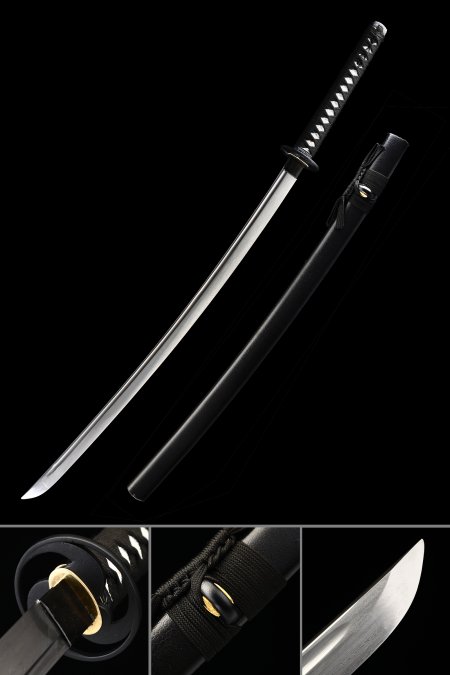
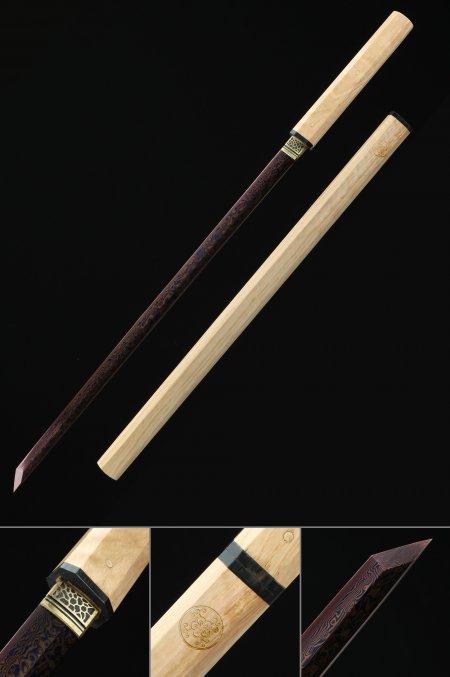
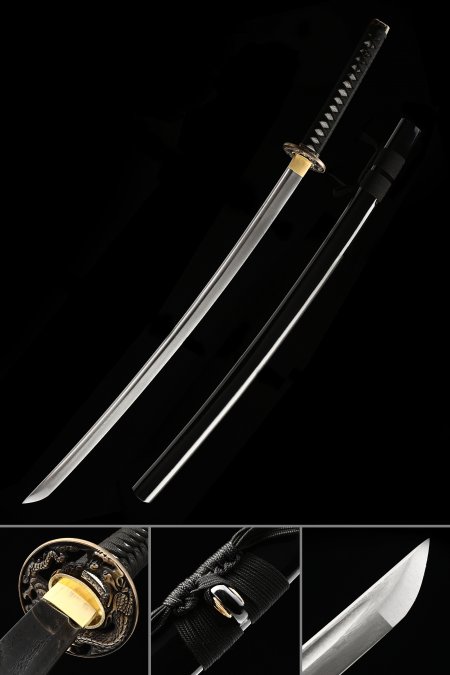
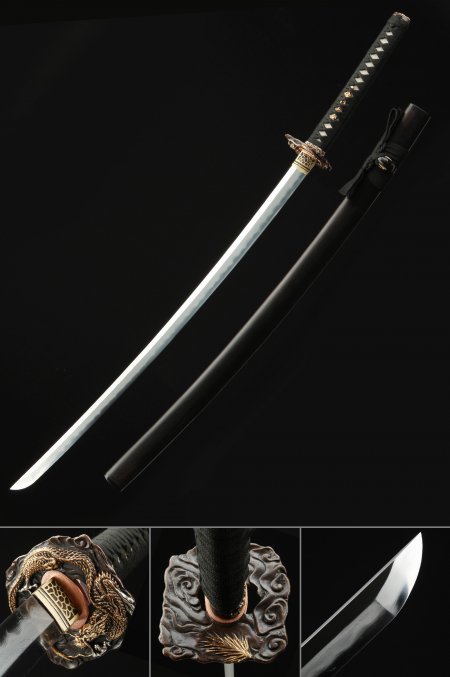
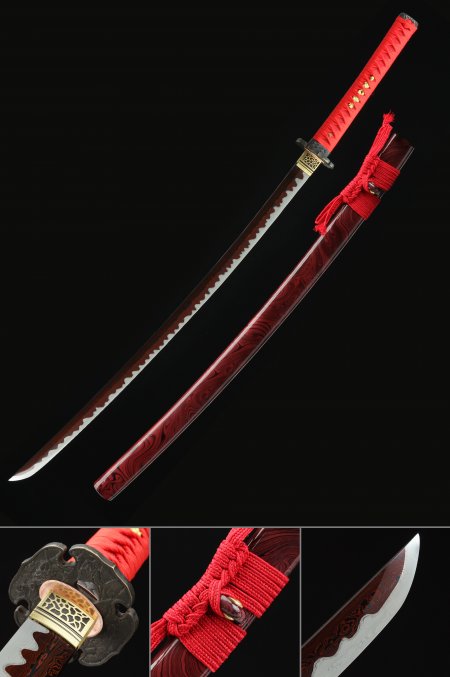
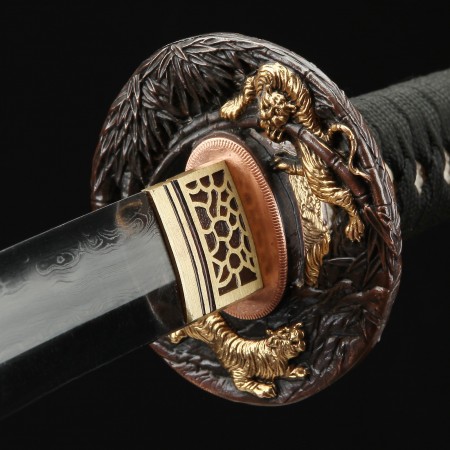
In practical terms for display and light-use collectibles, T10 and Damascus katana perform similarly. T10 is a purpose-made high-carbon tool steel with consistent grain structure optimized for edge retention - it clay-tempers cleanly and produces a well-defined hamon. Damascus, in the modern pattern-welded sense, involves layering two or more steel alloys and folding them together repeatedly. The resulting billet has variable carbon content across the layers, which can produce a more complex hamon but requires careful heat treatment to bring out the best properties. For display and occasional handling, both are excellent materials. The more meaningful difference is visual: T10 blades have a clean, polished appearance with the hamon as the primary decorative element, while Damascus blades have an all-over patterned surface from the layered steel that many collectors find visually compelling. Performance differences between the two are minimal for collectible use - the choice is really about aesthetics and which presentation you find more appealing.