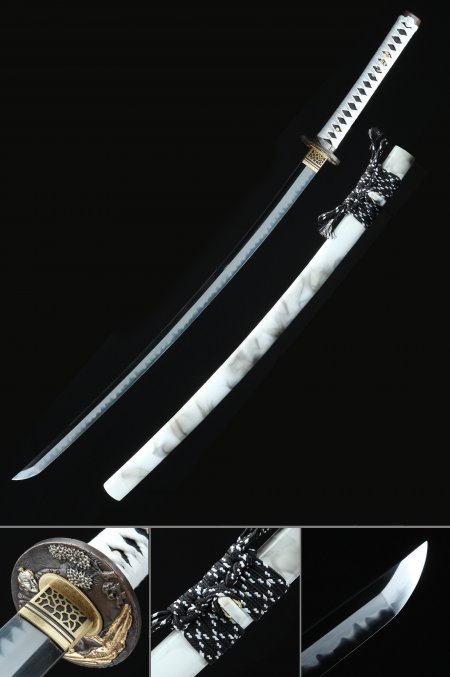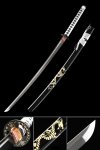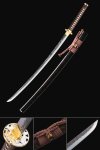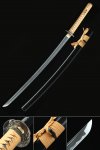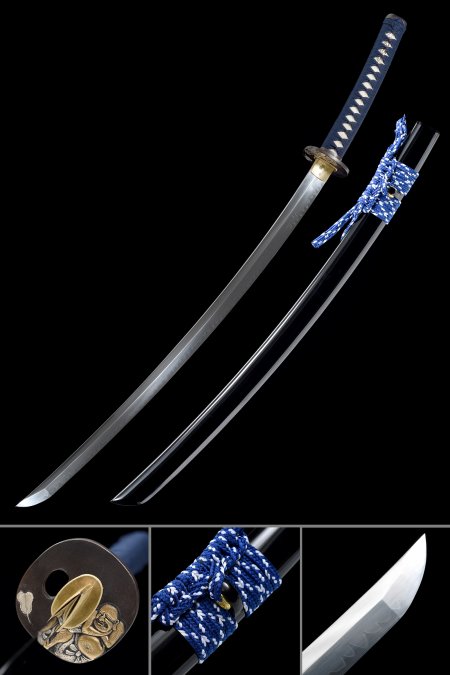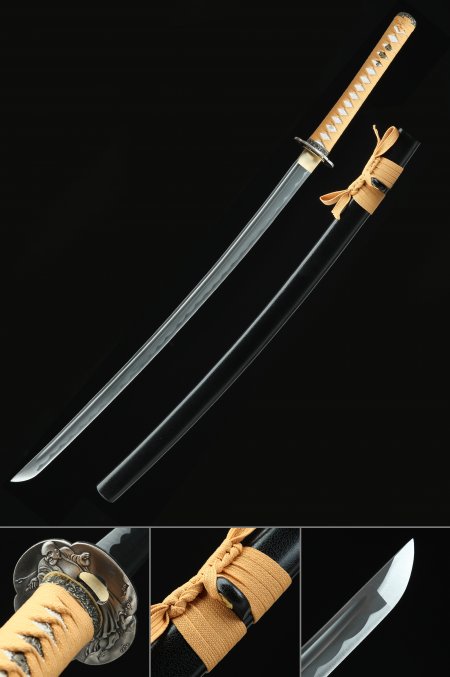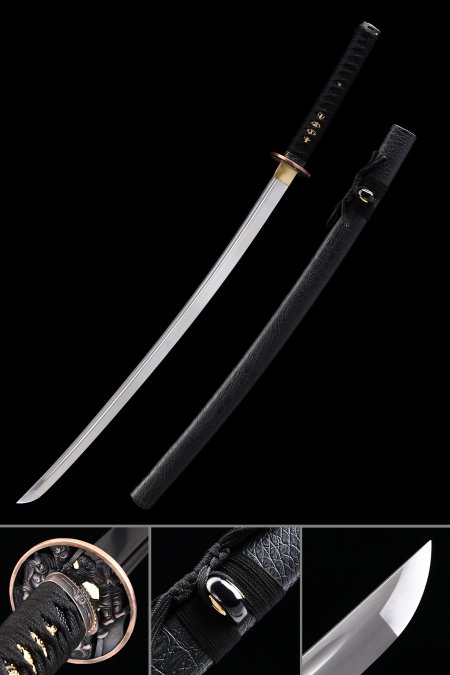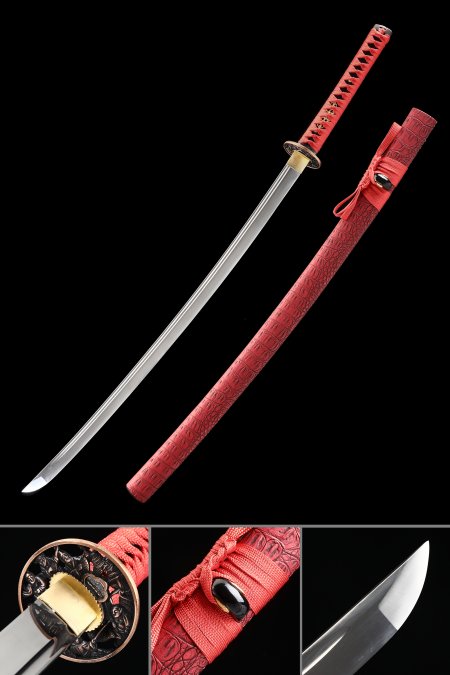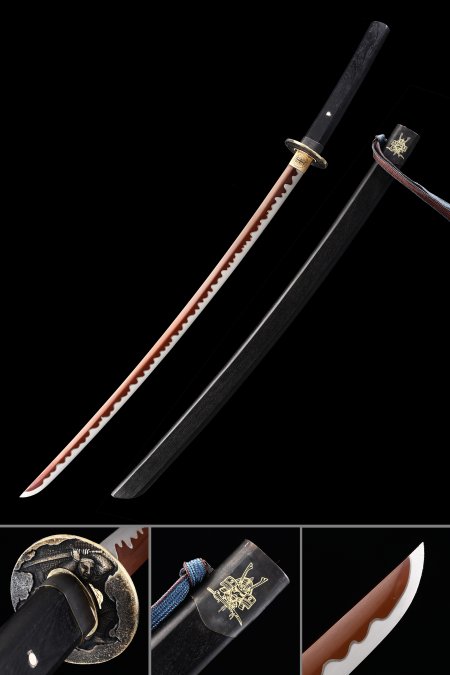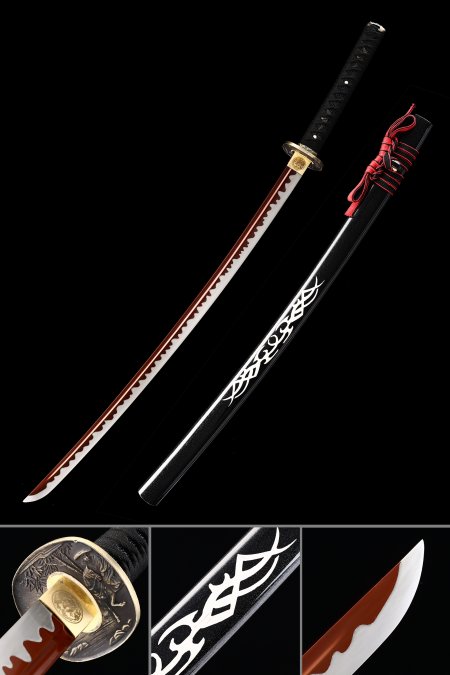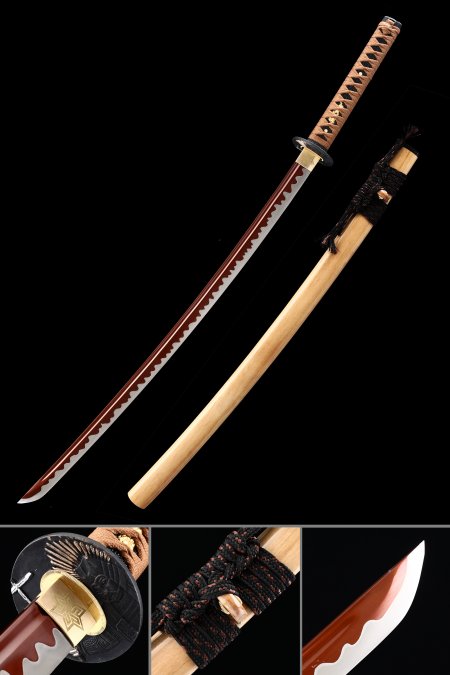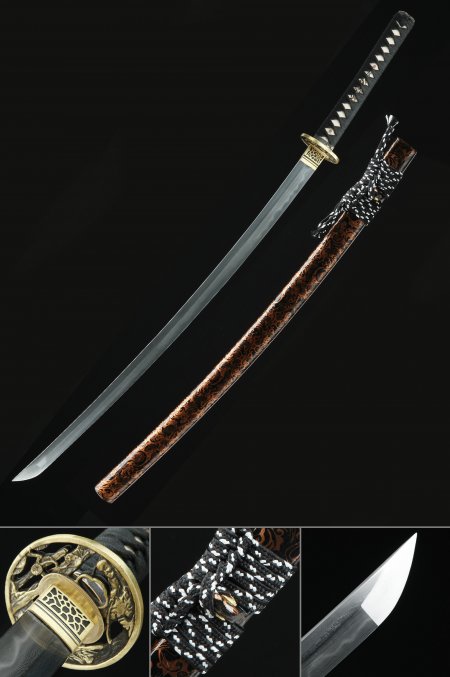
Samurai Tsuba Katana

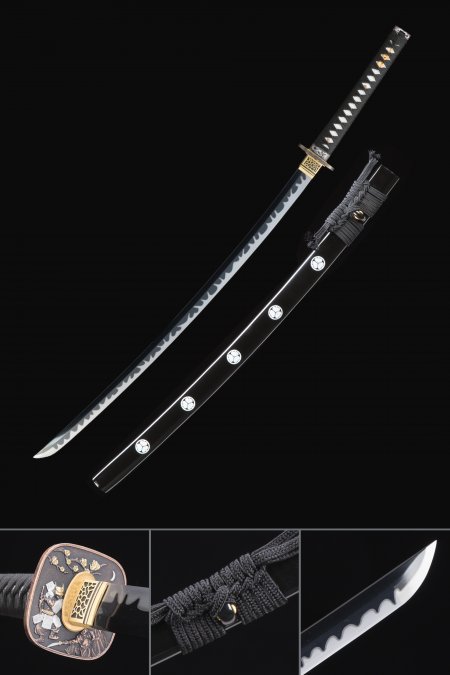
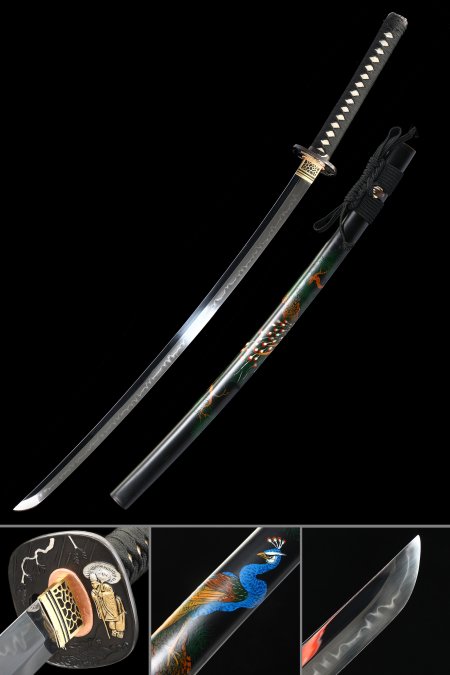
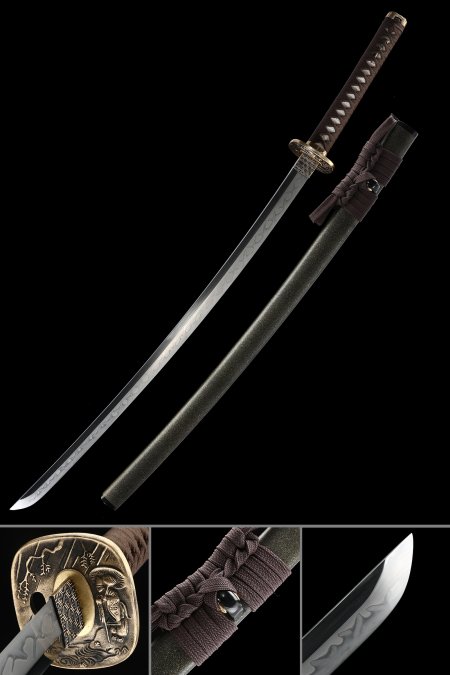
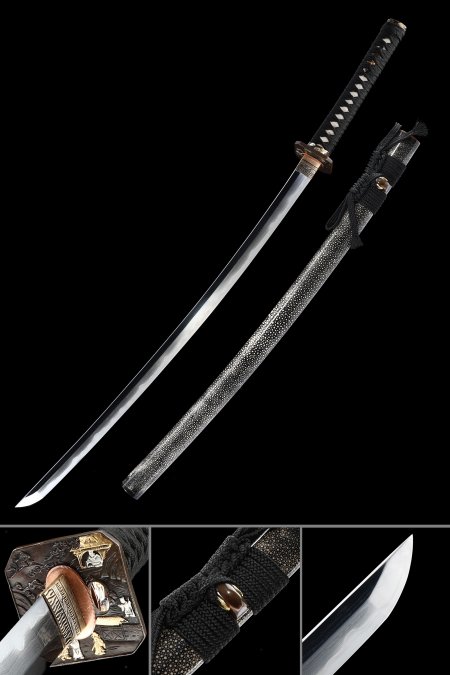
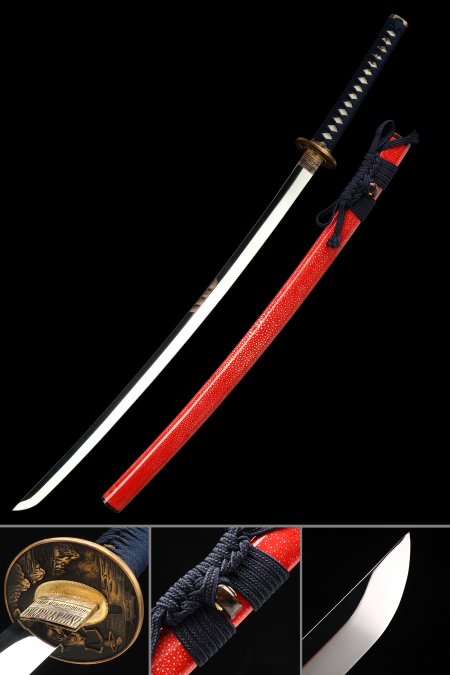
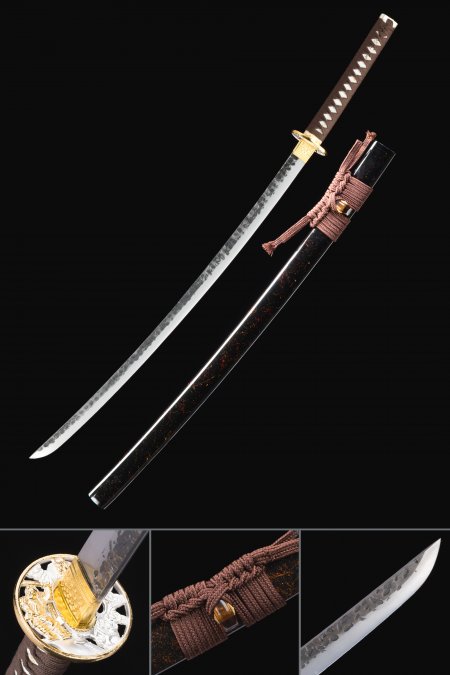
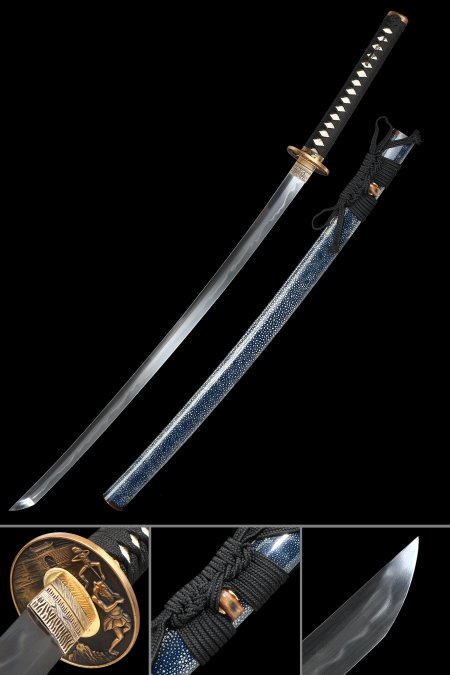
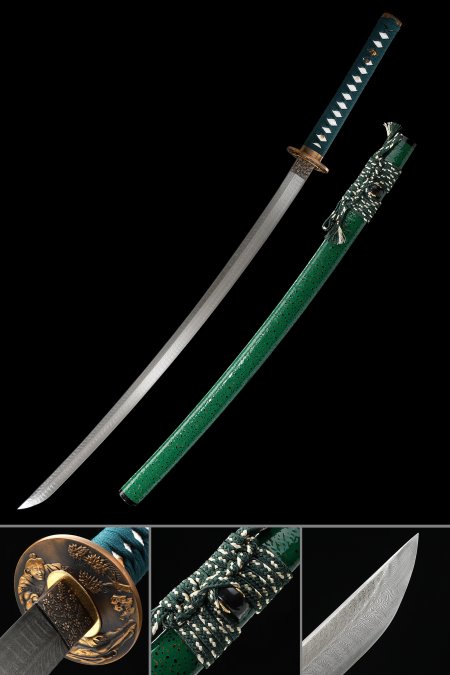
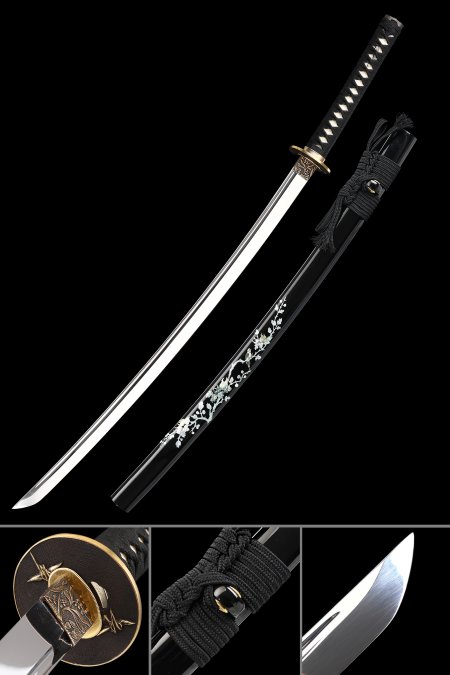
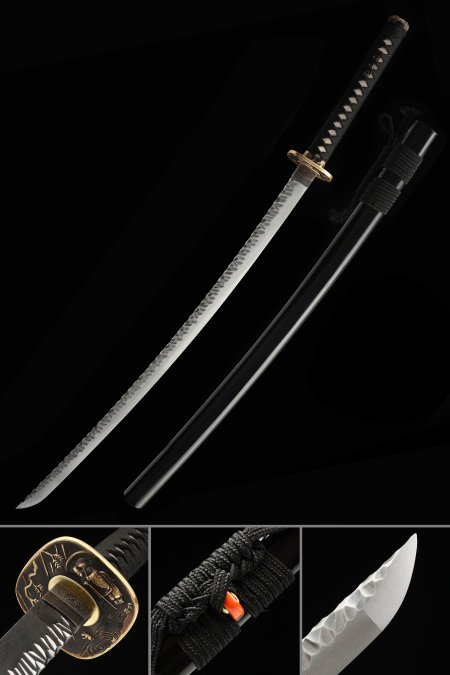
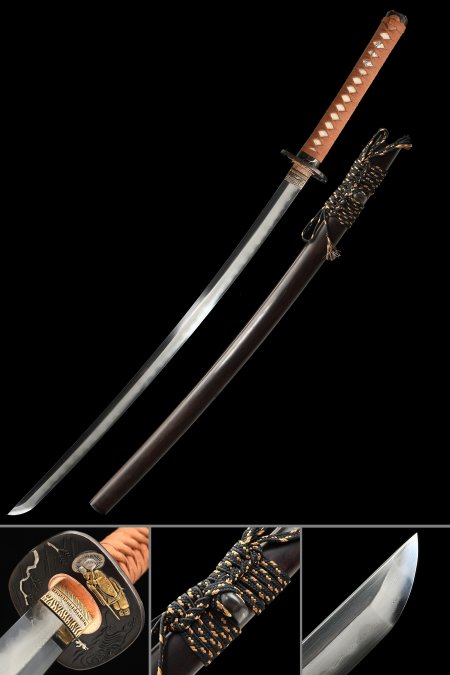
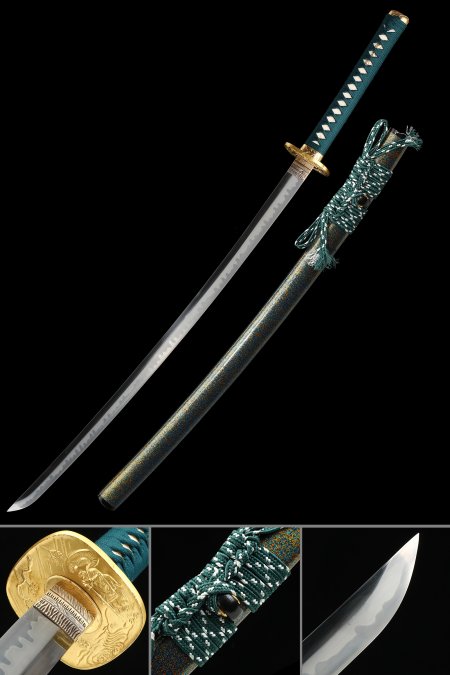
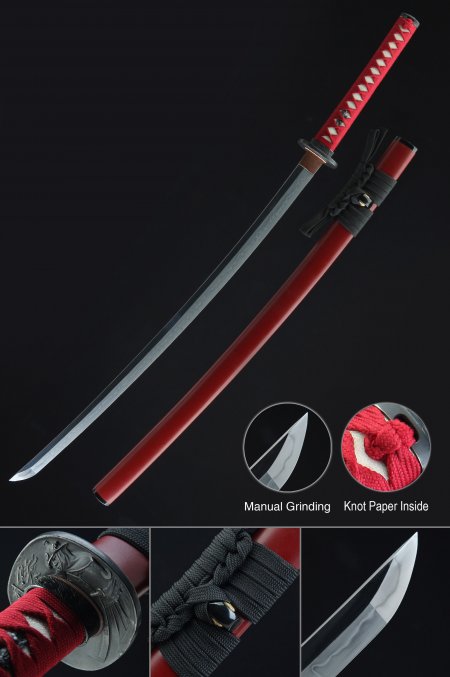
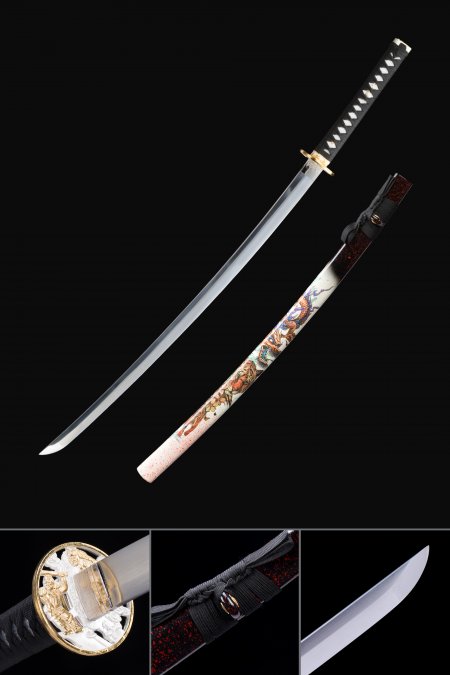
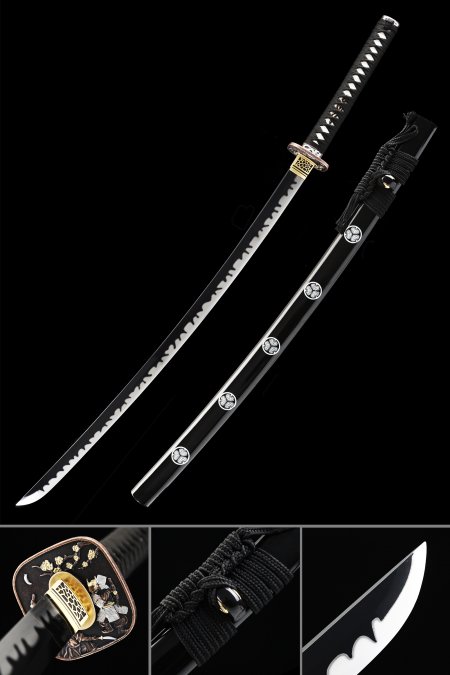
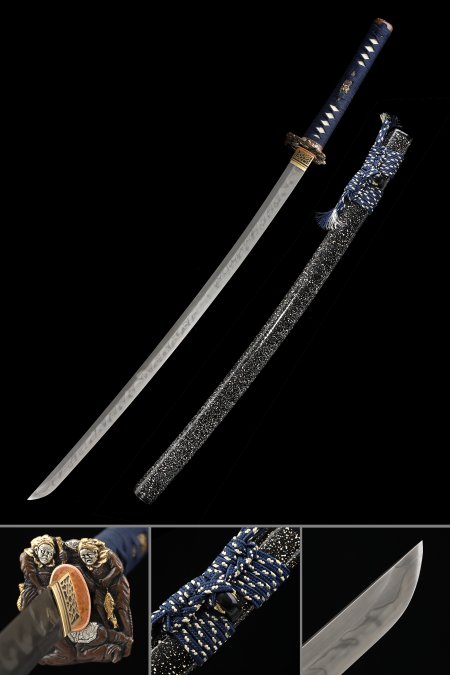
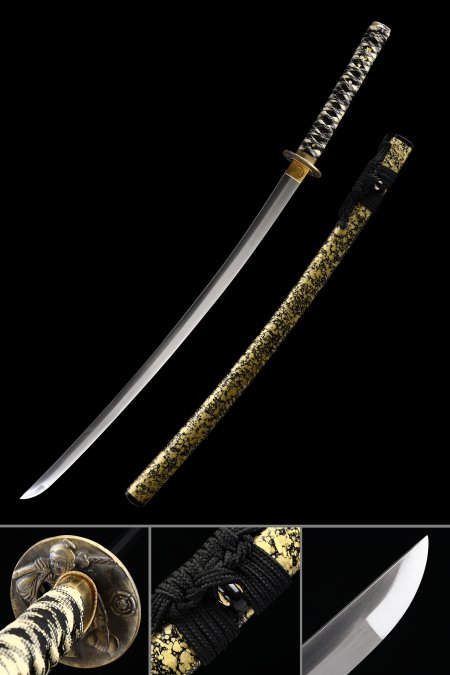
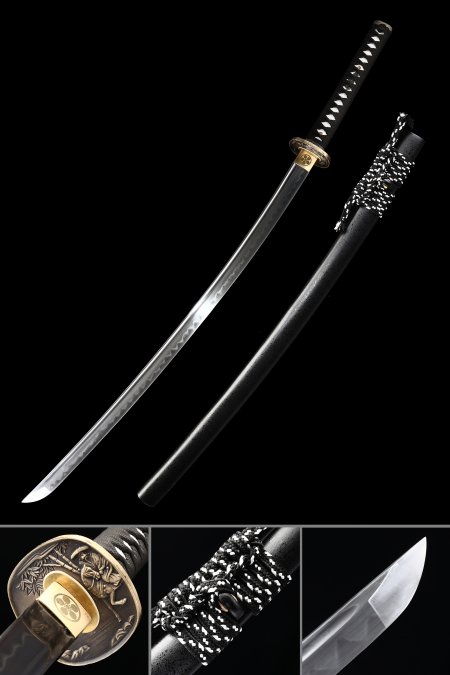
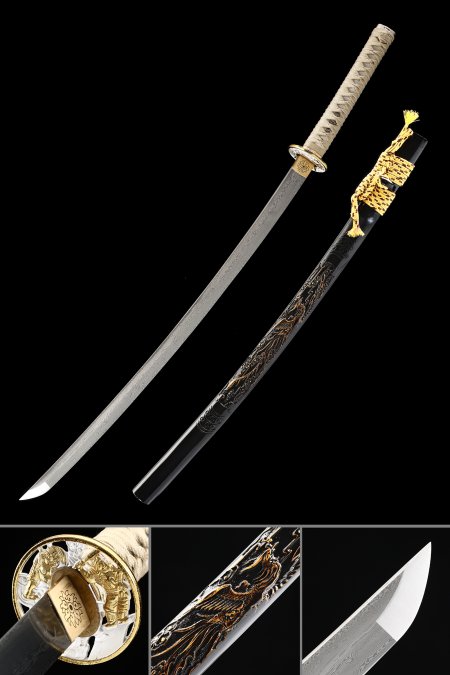
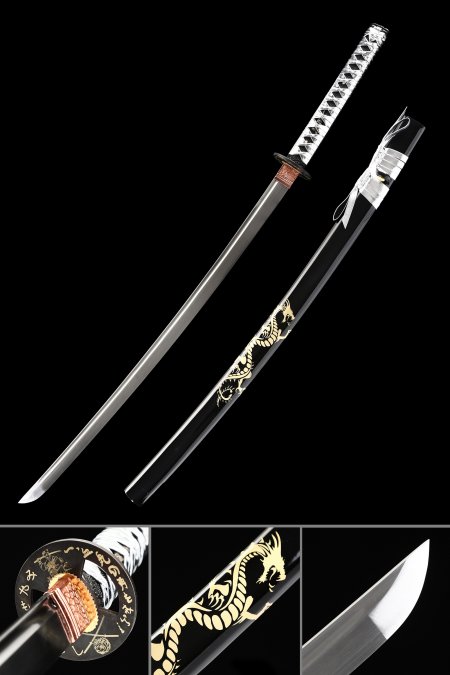
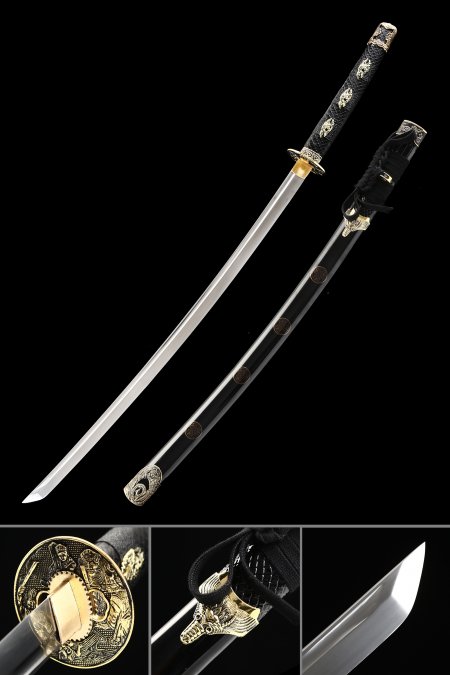
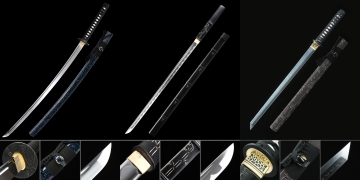
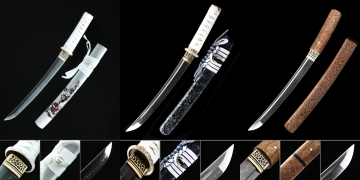
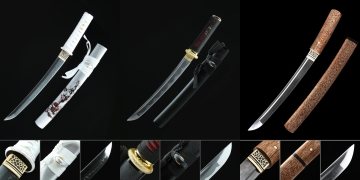
Samurai tsuba katana collections at TrueKatana feature hand-forged blades paired with intricately crafted guard plates — each tsuba a miniature work of art in its own right, finished in period-inspired motifs that reflect genuine Japanese smithing tradition. From 1045 carbon steel to clay-tempered T10 and layered Damascus, every piece is built full-tang and assembled with matched ito wrapping, lacquered saya, and ornamental fittings chosen for visual coherence and display quality. Enjoy free shipping on your order and easy returns, so collecting the piece that speaks to you is completely risk-free.
Showing 36 Products

Frequently Asked Questions

What makes a tsuba significant on a collectible katana?
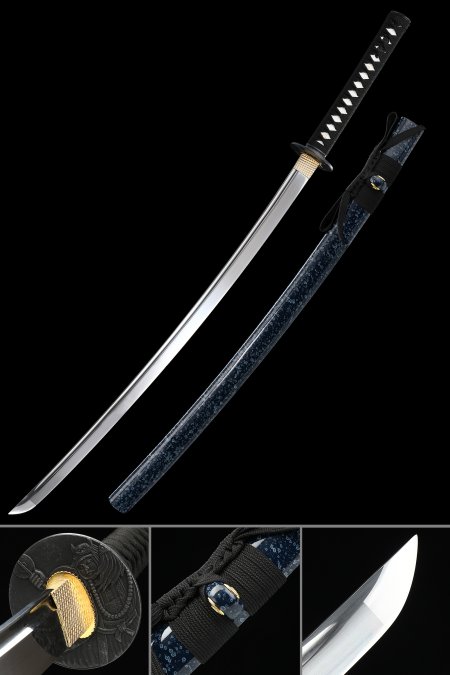
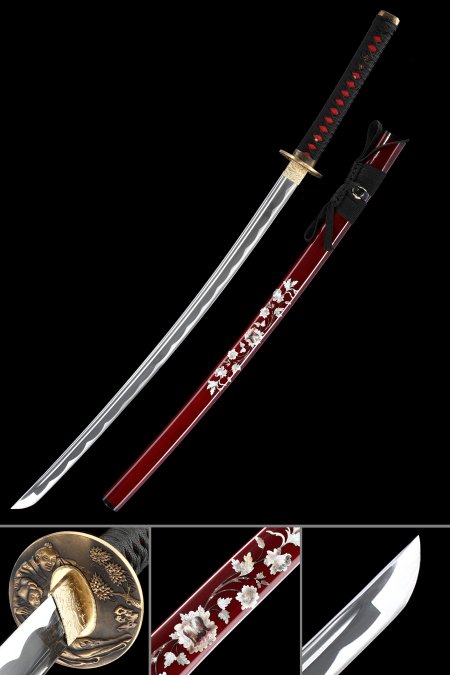
The tsuba is the circular guard positioned between the handle and blade of a katana, and in authentic Japanese sword tradition it was produced by specialized metalworkers entirely separate from the swordsmith. Historically, tsuba were crafted in iron, shakudo (a copper-gold alloy), or shibuichi (copper-silver alloy) and decorated with motifs ranging from nature scenes to family crests. On a collectible katana, the tsuba's quality signals the overall level of craft investment: a well-finished guard with coherent relief work, clean edges, and a tight habaki fit indicates that the assembler treated the whole piece as an integrated art object rather than a commodity. When evaluating a samurai tsuba katana for display, examine whether the guard's finish and motif are thematically matched to the saya lacquer and ito wrap — visual coherence across all fittings is the mark of a well-considered piece.
How does T10 clay-tempered steel differ from 1045 carbon steel?
Both 1045 carbon steel and T10 carbon steel are high-carbon alloys used in hand-forged katana, but they differ meaningfully in composition and finishing capability. 1045 steel contains roughly 0.45% carbon and is valued for its toughness, predictable grain structure, and ease of consistent production — making it an excellent foundation for display pieces that prioritize durability and clean geometry. T10 steel carries a higher carbon content (approximately 1.0%) along with trace tungsten, which contributes to finer grain and improved hardness. More importantly, T10 is typically clay-tempered: a differential coating applied before the quench creates a hard edge zone and a softer spine, producing the visible hamon — the undulating temper line along the blade's edge — that is one of the most sought-after visual features in Japanese blade aesthetics. For collectors focused on authentic surface detail, a clay-tempered T10 blade offers significantly more visual complexity than an untempered 1045 piece.
What is the visual difference between Damascus and manganese steel blades?
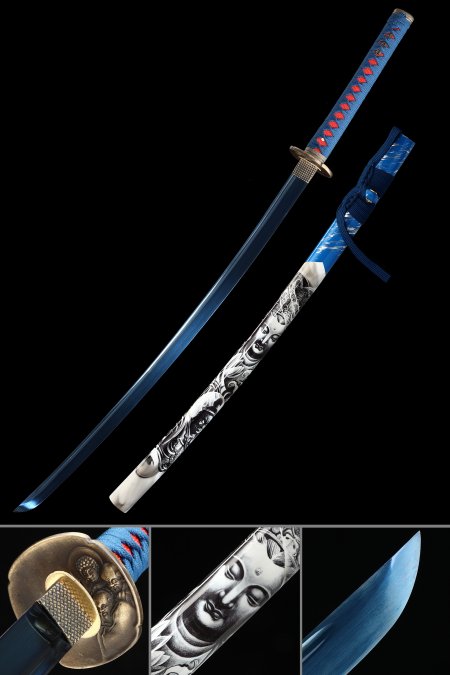
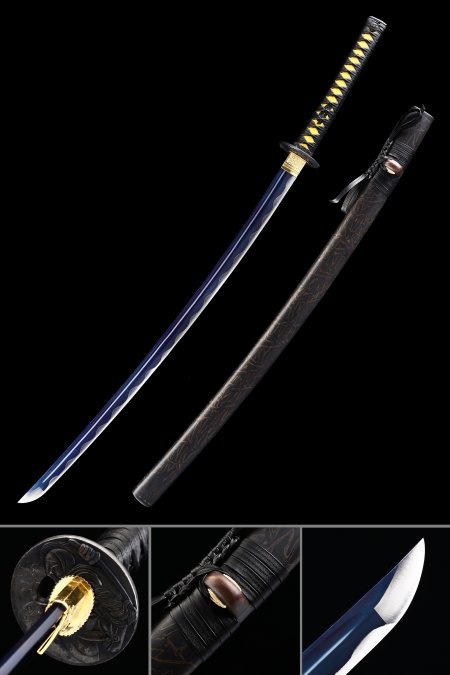
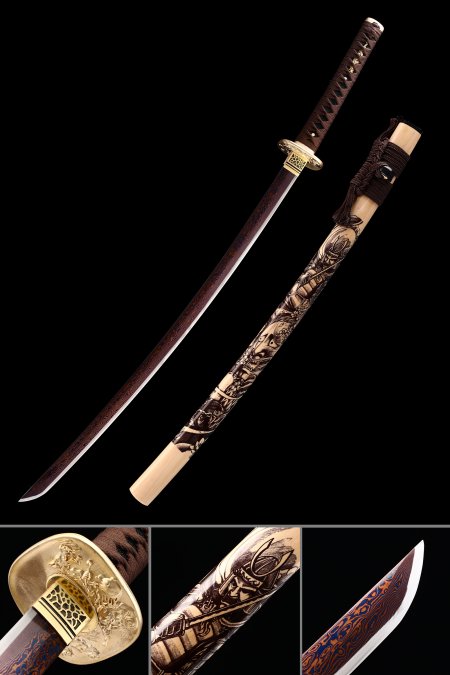
Damascus steel katana are produced by forge-welding two or more steel alloys together and folding the billet repeatedly, then etching the finished blade in acid to reveal the contrasting layers as a flowing, organic surface pattern. No two Damascus blades are visually identical because the folding process distributes layers unpredictably. Manganese steel, by contrast, is a single high-alloy composition — typically containing 1–1.8% manganese alongside carbon — that can be heat-treated and ground to display a uniform finish or, when treated specifically, a colored surface tone such as the blue or dark red blades found in this collection. Those tones come from controlled oxidation or chemical finishing processes and are applied intentionally for visual effect. Collectors choosing between the two are essentially choosing between organic surface complexity (Damascus) and bold monochromatic color drama (manganese).
How should I store a katana with a lacquered saya long-term?
Lacquered saya are susceptible to three main environmental threats: sustained humidity, direct sunlight, and physical impact. For long-term display storage, keep the katana in an environment where relative humidity stays between 40–55%; levels above 65% can cause the lacquer to lift or bubble over months. Avoid positioning the piece in direct sunlight or near heat sources, as UV exposure yellows clear lacquer and fades pigmented finishes over time. Before sheathing the blade, apply a thin film of choji oil (or a neutral mineral oil substitute) to the blade surface using a soft cloth — this prevents the steel from transferring oxidation onto the saya's interior wood. If displaying horizontally on a katana stand, ensure the saya rests on padded supports rather than bare hardwood, which can create pressure marks on the lacquer at contact points over extended periods.
Is a samurai tsuba katana a good choice as a display gift?
A samurai tsuba katana makes a compelling gift for anyone with an interest in Japanese history, martial arts culture, or decorative metalwork — provided it is presented as the collectible and display piece it is. The tsuba-forward design gives the recipient an immediate visual focal point that goes beyond a plain blade, making it easier to appreciate even without deep sword knowledge. For gifting purposes, the Damascus steel options with gold-accented tsuba and embossed saya tend to photograph and display most dramatically, while T10 clay-tempered pieces with a visible hamon are often preferred by collectors who prioritize authentic craft detail. A full-tang construction throughout the handle ensures the piece remains structurally stable and display-worthy for years. Pairing the katana with a quality wall mount or floor stand elevates the presentation and completes the display context the piece was designed for.

Customer Reviews

Lawrence M Sloan Iowa, United States

The katana I recently purchased from TrueKatana was a thing of beauty! The timeframe on it was very reasonable and the engraving was a bit larger than I anticipated. The leather covered saya was exquisite and the steel was excellent.

The only concern was that I asked for the blade to be "ultral" sharpened.
We sell many katanas to martial artist competitors in Tameshigiri. Our katanas are usually rated by our BESS scale as 170 grams or less (As sharp as a double edged razor blade). We had asked for the "ultra" sharpness on this sword, but when tested, it came in at around 200 grams (closer to a single edged razor knife).
White Lion Blades
sales@whitelionblades.com
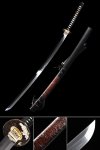
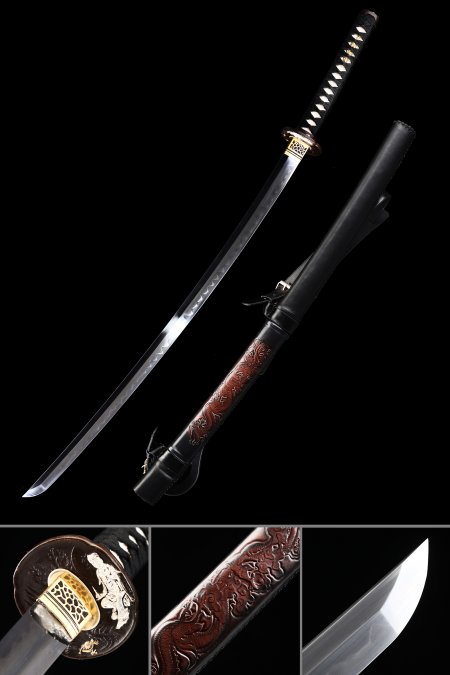
T10 Carbon Steel Katana with Clay Tempered Blade, Real Hamon in Red Dragon Hardwood Saya T10 Carbon Steel Katana with Clay Tempered Blade, Real Hamon in Red Dragon Hardwood Saya