What makes Damascus steel visually different from standard high-carbon steel?
Updated Mar 2026
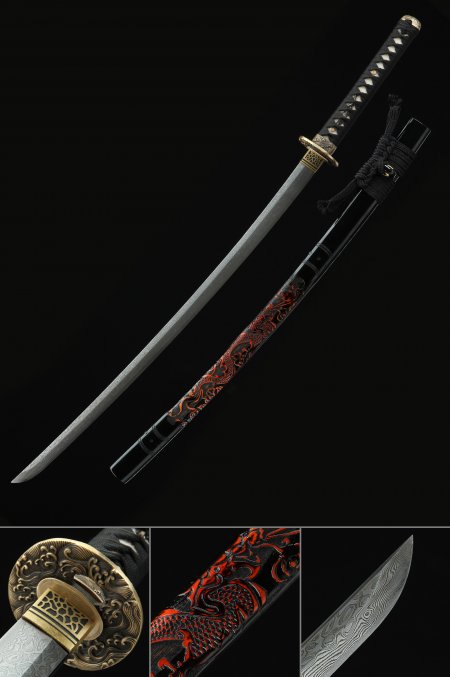
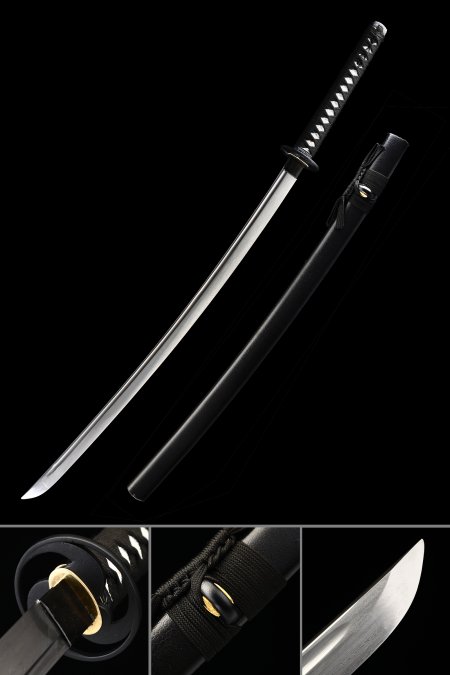
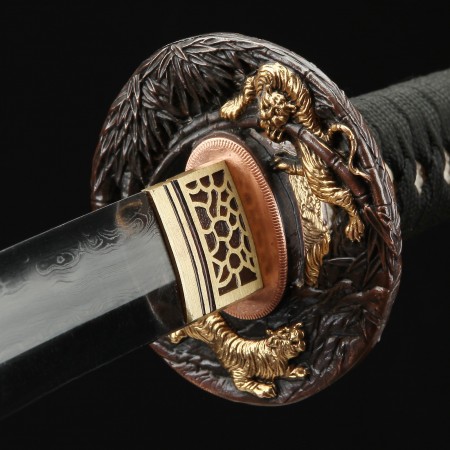
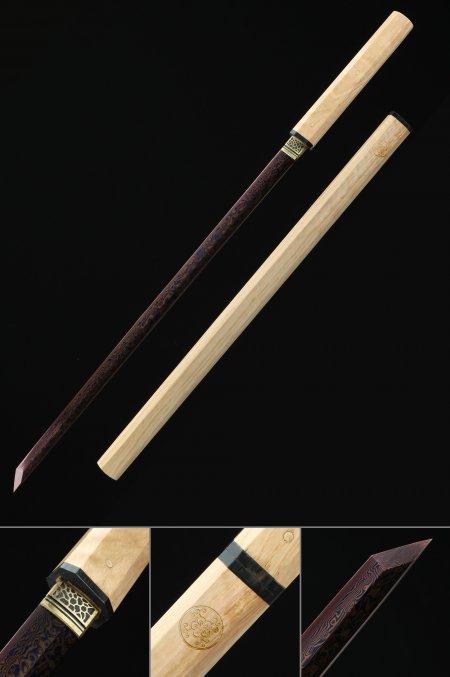
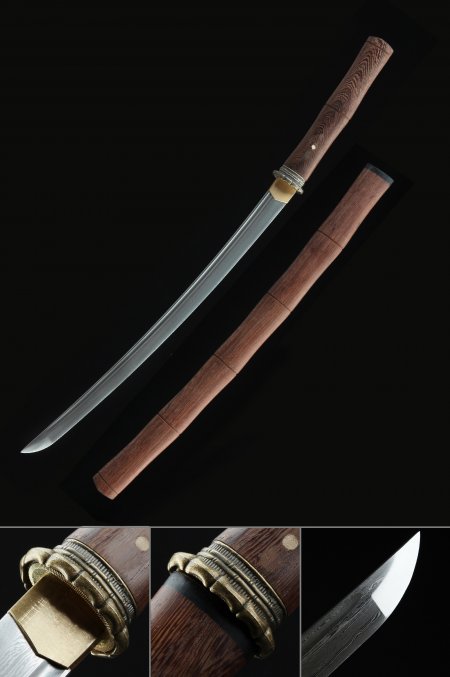
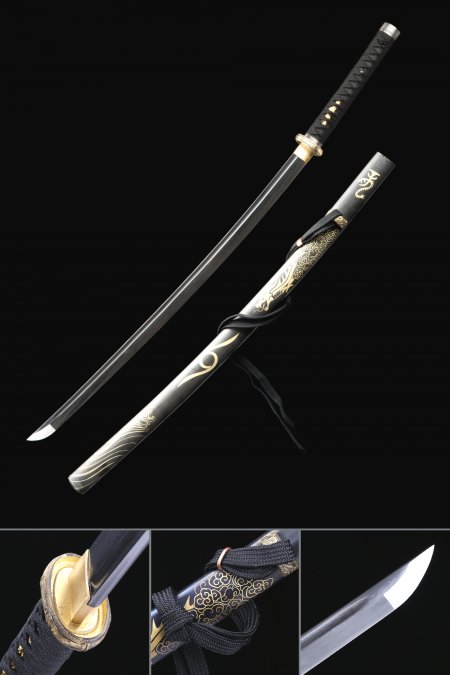
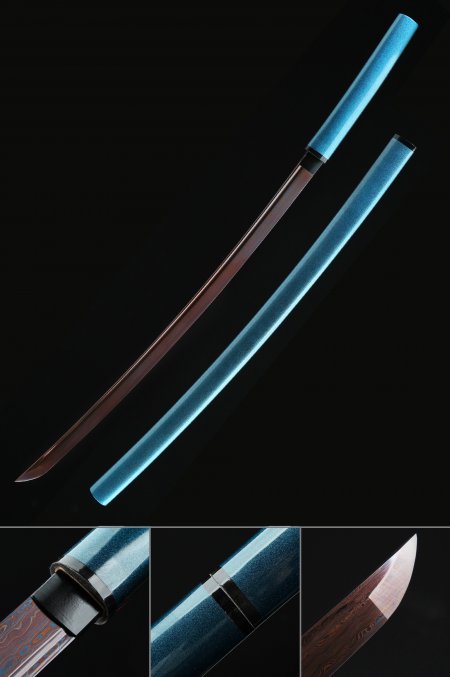
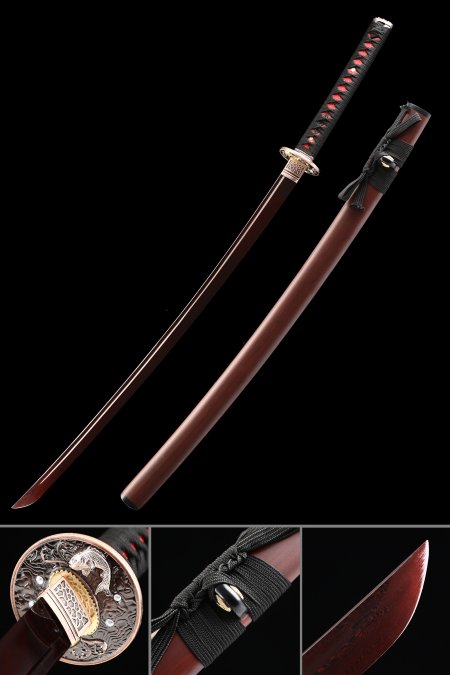
Damascus steel - produced through pattern-welding - is formed by folding and forge-welding multiple layers of steel together into a single billet. When the finished blade is acid-etched, those layers reveal themselves as flowing, wave-like grain patterns across the surface. Standard high-carbon steels like T10 or 1095 are homogeneous alloys that produce a clean, uniform finish with no visible grain structure. On a blackened blade, the contrast is even more pronounced: the dark base finish creates a backdrop against which the Damascus grain appears almost three-dimensional. This is why collectors specifically seek Damascus variants - the patterning is a direct, visible record of the forging process itself, not an applied decoration.