How does a clay-tempered hamon differ from a acid-etched one?
Updated Mar 2026
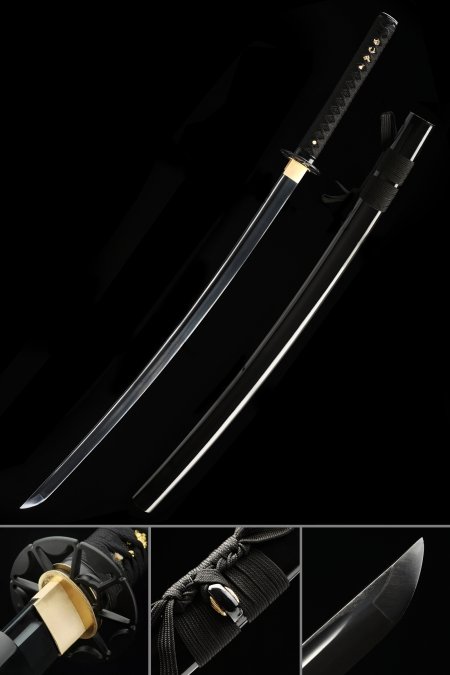
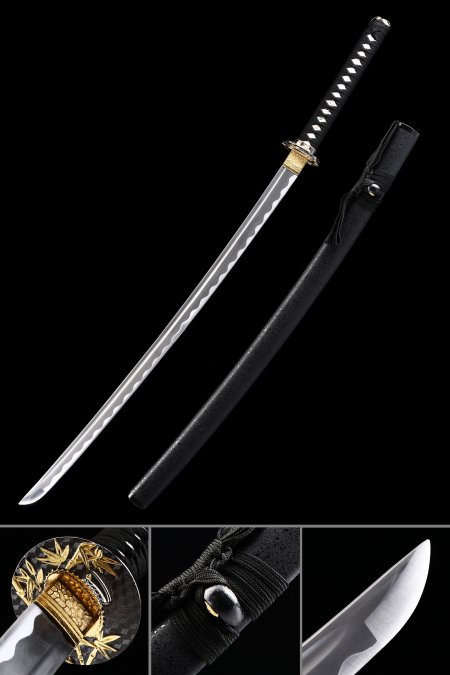
A genuine clay-tempered hamon is formed during the quenching process: clay is applied to the spine of the blade, leaving the edge exposed to faster cooling and creating a hardness differential between the ha and mune. This differential is structural - it exists within the steel's crystalline grain and produces a hamon that shifts subtly in different lighting. An acid-etched hamon, by contrast, is a surface treatment applied after grinding that mimics the visual appearance without altering the underlying metallurgy. Both can look similar in photographs, but under magnification or raking light, a genuine hamon shows a misty, cloud-like activity known as nie and nioi - microscopic martensite crystals - that an etched line cannot replicate. Collectors evaluating a piece should always confirm which method was used.