How does a snake tsuba differ from a standard iron tsuba?
Updated Mar 2026
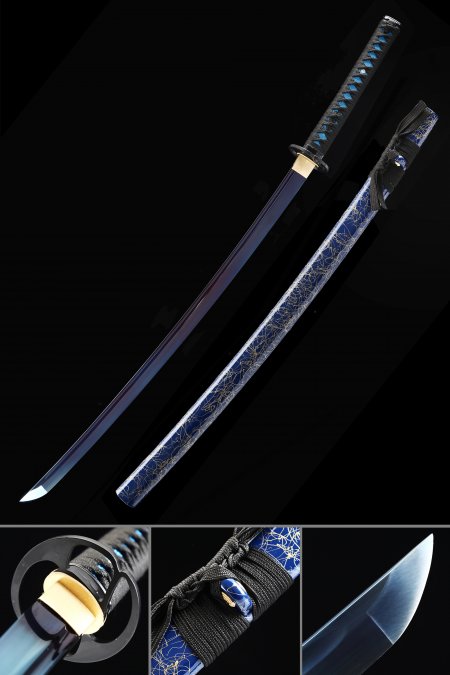
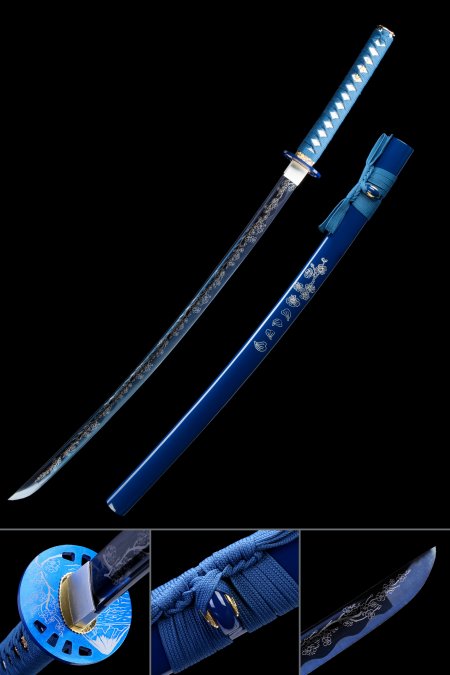
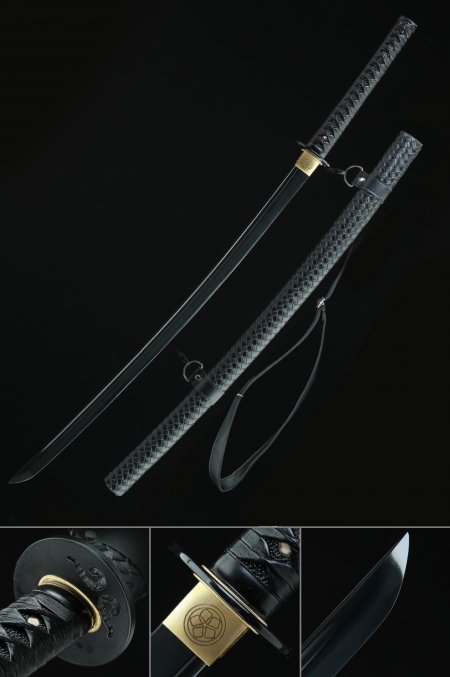
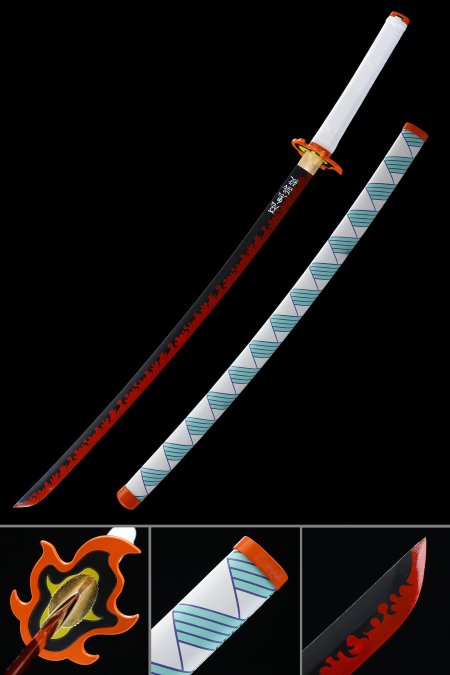
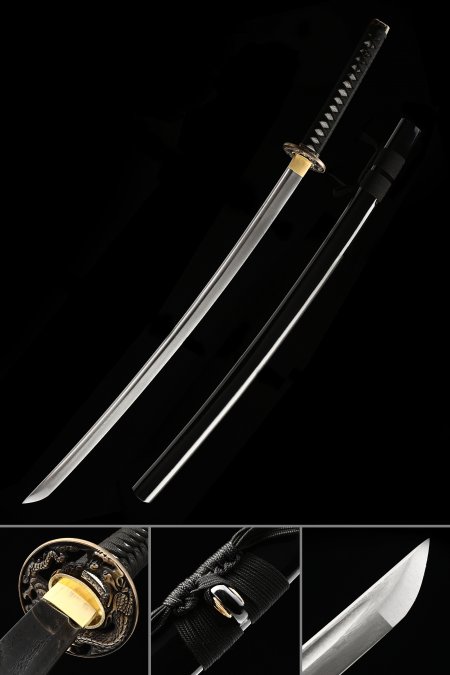
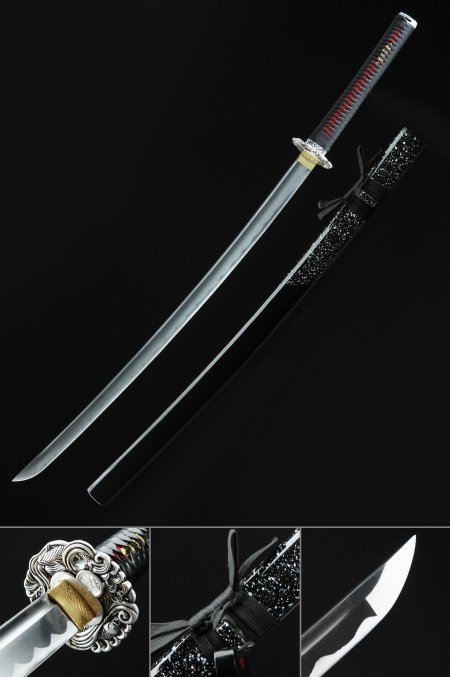
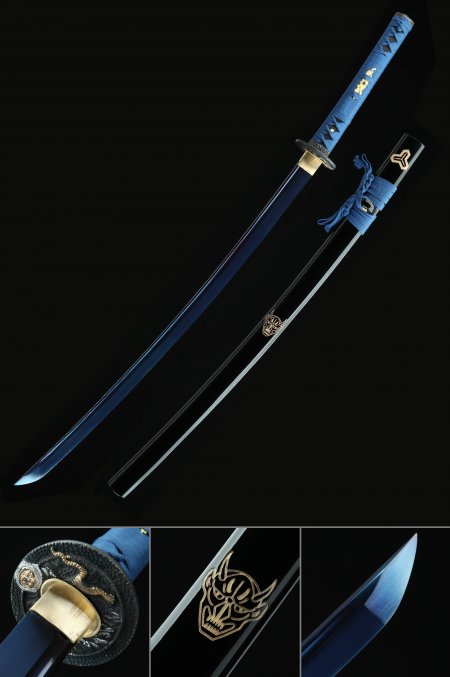
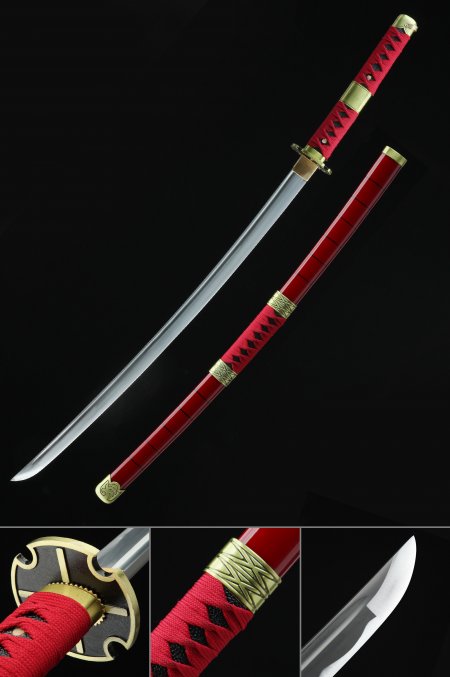
A standard iron tsuba - the classical form used on historical Japanese swords - is typically a flat disc or lobed shape with minimal relief, valued for its understated finish and historical accuracy. A snake tsuba introduces dimensional casting or forging to shape the guard itself into a serpent motif, with the body of the snake forming the outer rim and the head often positioned near the blade slot. The material also differs: while historical tsuba were commonly wrought iron or shakudo (a copper-gold alloy), the snake tsuba in this collection are cast from bronze alloy, gilded zinc, or iron-style alloy, each finished to reflect the overall koshirae theme. Functionally, both guard types serve the same structural role, but the snake tsuba carries the additional layer of symbolic iconography - the serpent in Japanese tradition represents protection and transformation - which is a primary reason collectors choose it as a display centerpiece rather than a historically neutral piece.