How does clay-tempered T10 differ from standard T10 in a wakizashi?
Updated Mar 2026
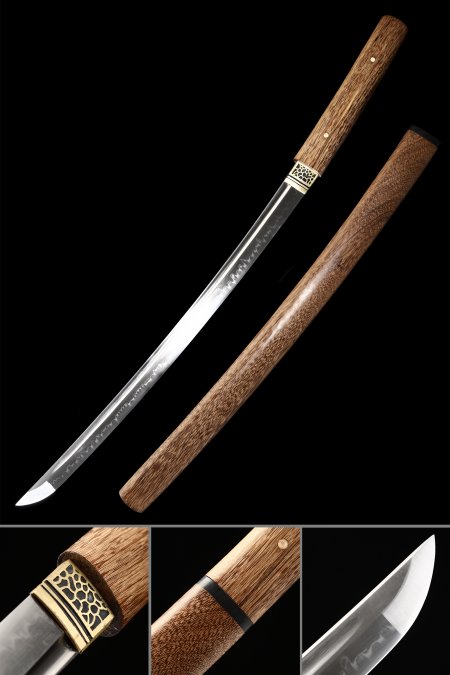
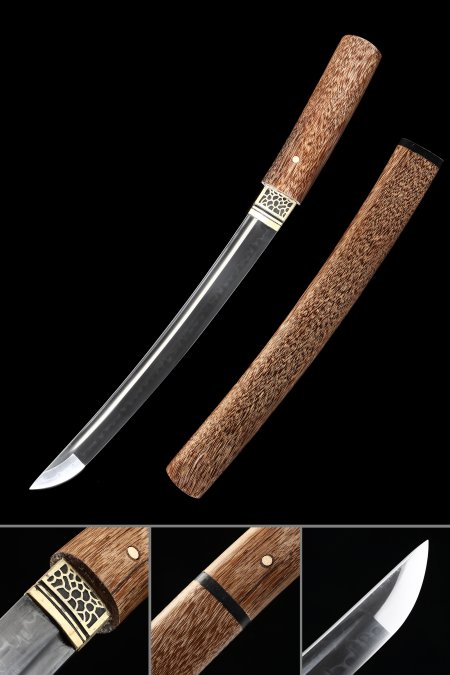
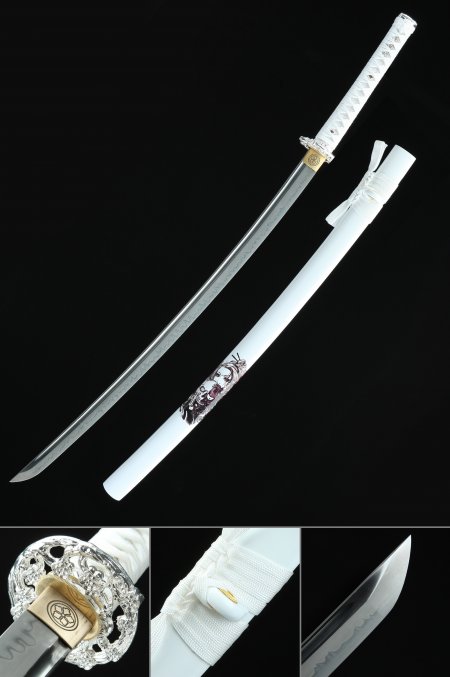
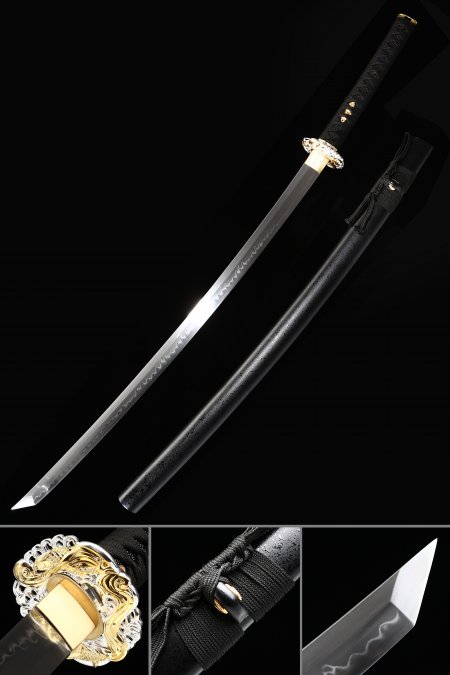
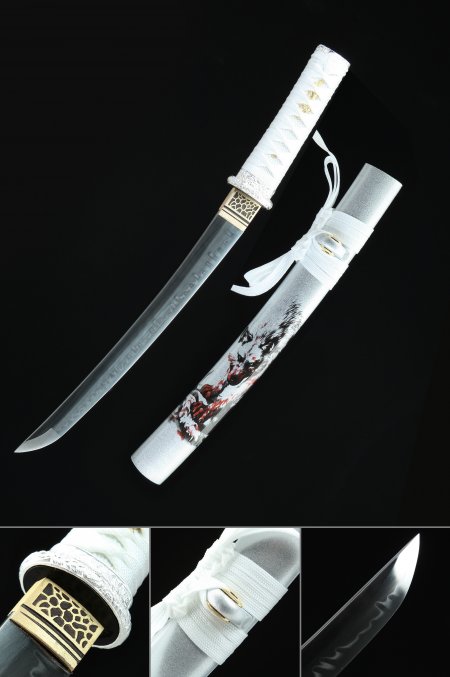
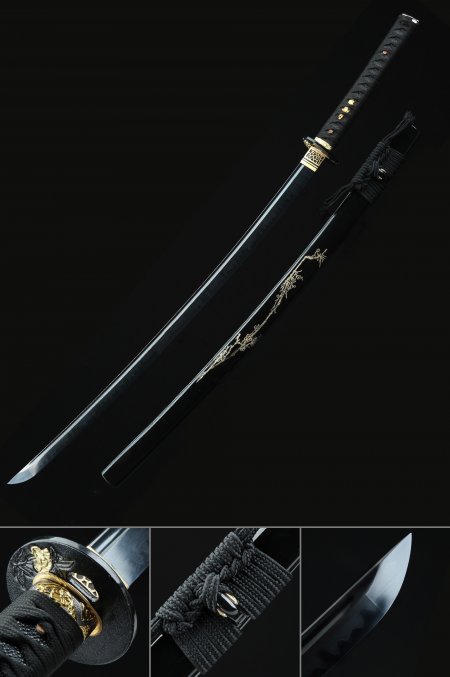
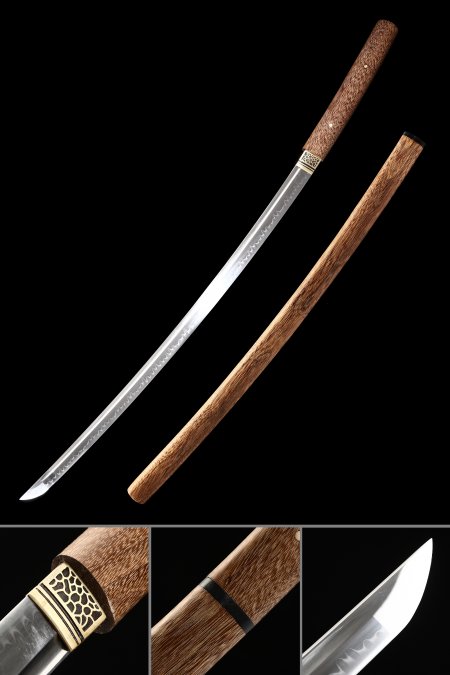
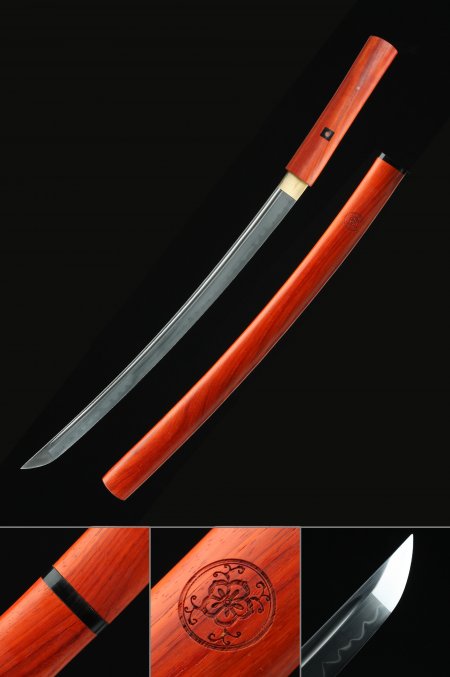
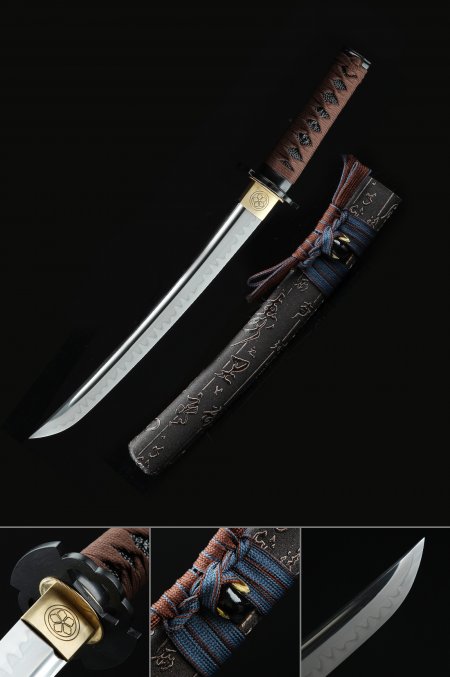
Both are high-carbon T10 steel, but clay tempering adds a critical step: a layer of clay slurry is applied along the spine before quenching, insulating that area and causing it to cool slowly. The edge, exposed to rapid quenching, hardens into martensite while the spine remains relatively softer and more resilient. The visible result is the hamon — a naturalistic boundary line running the length of the blade that is unique to each individual piece. In a non-clay-tempered T10 wakizashi, the steel is uniformly hardened and the surface appears consistent throughout. Collectors specifically seek clay-tempered pieces for the hamon, which is considered one of the defining aesthetic and technical signatures of authentic Japanese-style blade craft.