How does clay tempering affect a tanto blade's appearance?
Updated Mar 2026
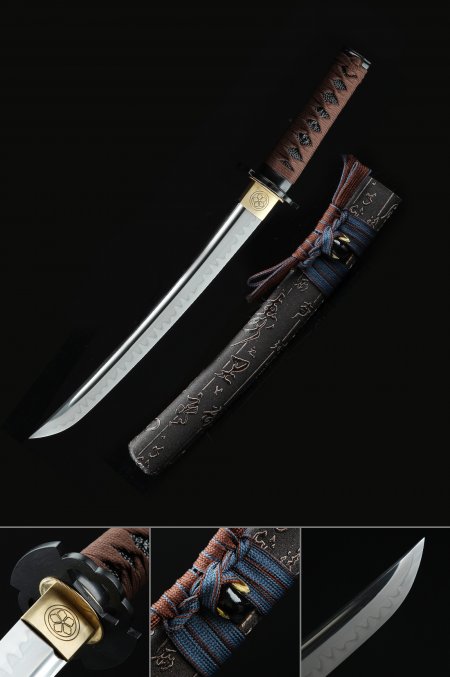
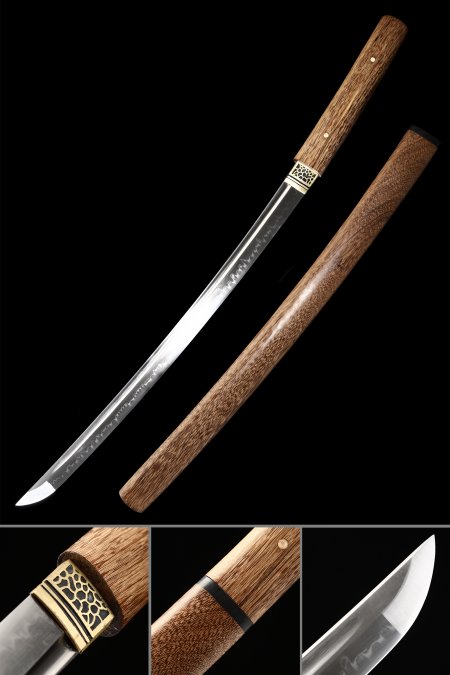
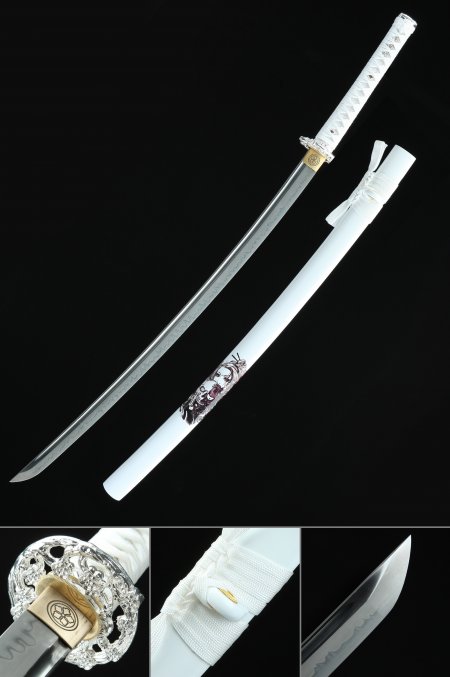
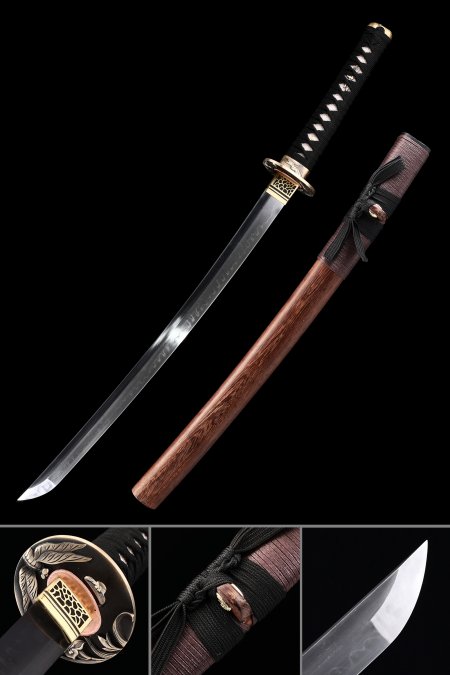
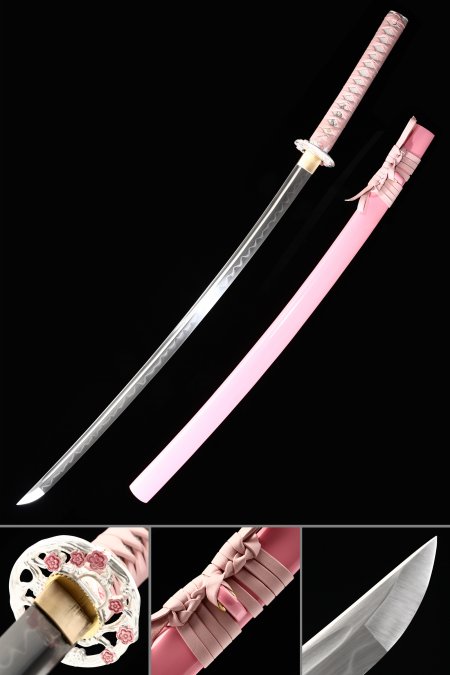
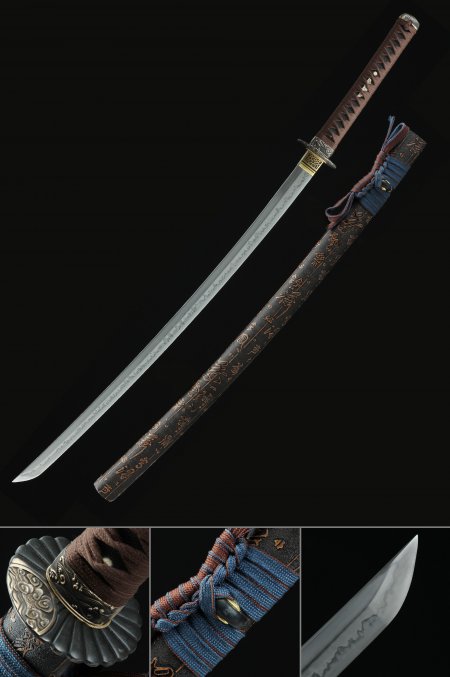
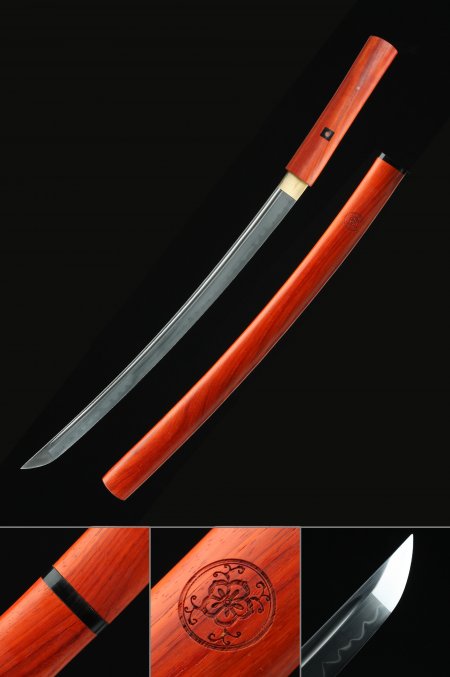
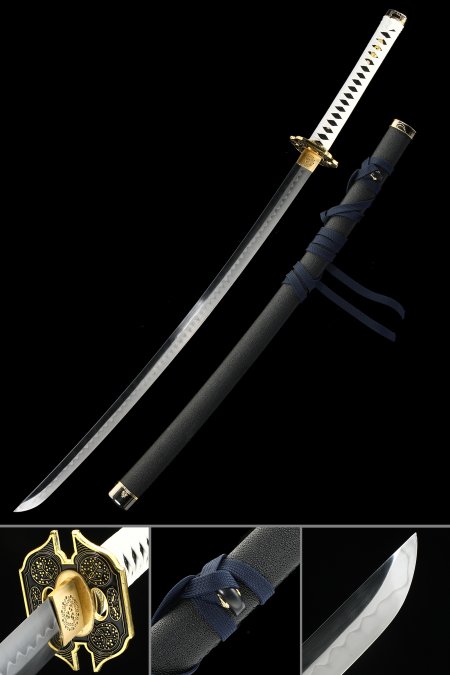
Clay tempering, known in Japanese as tsuchioki, is a heat-treatment process in which a mixture of clay and ash is applied to the blade before quenching. The spine is coated heavily, while the edge is left with a thin or no clay layer. When the blade is heated and then quenched in water, the thinner clay at the edge allows it to cool and harden rapidly, while the spine cools more slowly and remains relatively flexible. The boundary between these two zones becomes visible as the hamon - a distinct temper line that runs the length of the blade. On a T10 carbon steel tanto, this hamon appears as a misty, undulating line with a texture called nie or nioi depending on the crystal structure. It is unique to each blade and cannot be replicated by acid etching or surface treatments. For collectors, the presence of a genuine hamon is one of the clearest indicators of traditional heat-treatment craftsmanship.