How does a clay-tempered tanto differ from a through-hardened one?

 Updated Mar 2026

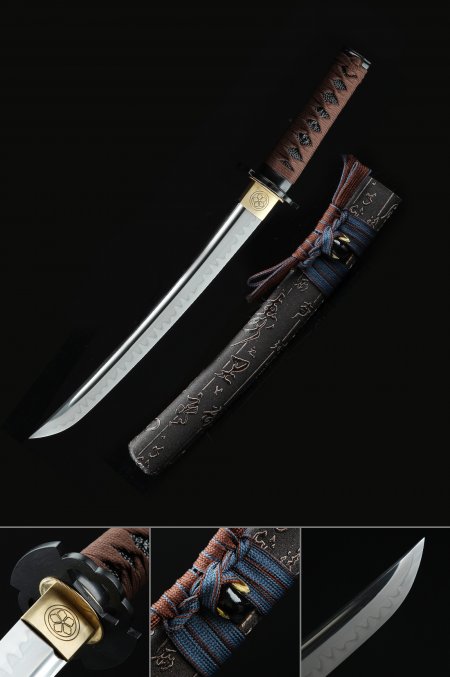
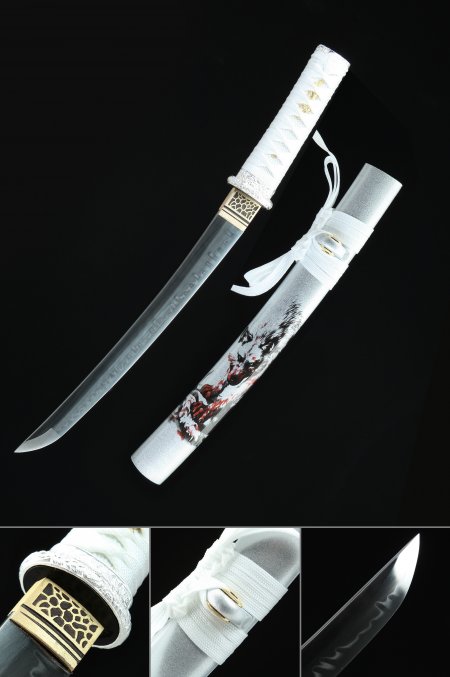
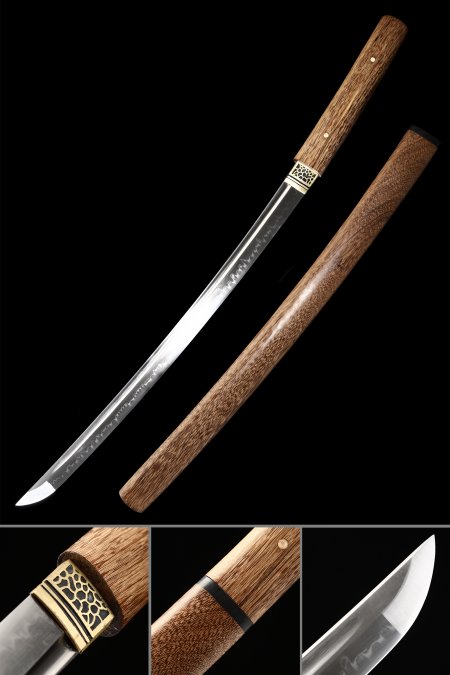
Through-hardening treats the entire blade to a uniform temperature before quenching, producing consistent hardness throughout but leaving the spine as brittle as the edge. Clay tempering, by contrast, applies an insulating clay coat to the spine and shoulders before the quench, causing those areas to cool more slowly and remain softer. The edge, exposed directly to the quench, hardens fully. This differential gives the blade a hard cutting edge capable of taking a fine geometry alongside a resilient spine that absorbs impact without fracturing. For collectors, the most visible sign of this process is the hamon — the cloudy boundary line between hard and soft zones — which on T10 steel often shows rich nie and nioi activity under magnified light.
Popular Products

20% OFFjapanese katana
209.00 USD
259.00 USD
20% OFFwakizashi sword
219.00 USD
279.00 USD
15% OFFjapanese katana
199.00 USD
239.00 USD
20% OFFblue katana
209.00 USD
259.00 USD
15% OFFtanto sword
149.00 USD
179.00 USD
15% OFFred katana
199.00 USD
229.00 USD
20% OFFfull tang katana
319.00 USD
399.00 USD
20% OFFblack katana
209.00 USD
259.00 USD
15% OFFshirasaya tanto
149.00 USD
179.00 USD
20% OFF
259.00 USD
329.00 USD
20% OFFjapanese katana
169.00 USD
209.00 USD
15% OFFshirasaya tanto
149.00 USD
179.00 USD
20% OFFjapanese katana
209.00 USD
259.00 USD
20% OFFwakizashi sword
219.00 USD
279.00 USD
15% OFFjapanese katana
199.00 USD
239.00 USD
20% OFFblue katana
209.00 USD
259.00 USD
15% OFFtanto sword
149.00 USD
179.00 USD
15% OFFred katana
199.00 USD
229.00 USD
20% OFFfull tang katana
319.00 USD
399.00 USD
20% OFFblack katana
209.00 USD
259.00 USD
15% OFFshirasaya tanto
149.00 USD
179.00 USD
20% OFF
259.00 USD
329.00 USD
20% OFFjapanese katana
169.00 USD
209.00 USD
15% OFFshirasaya tanto
149.00 USD
179.00 USD

Explore Our Collections