What makes ninjato tsuba designs different from katana tsuba?
Updated Mar 2026
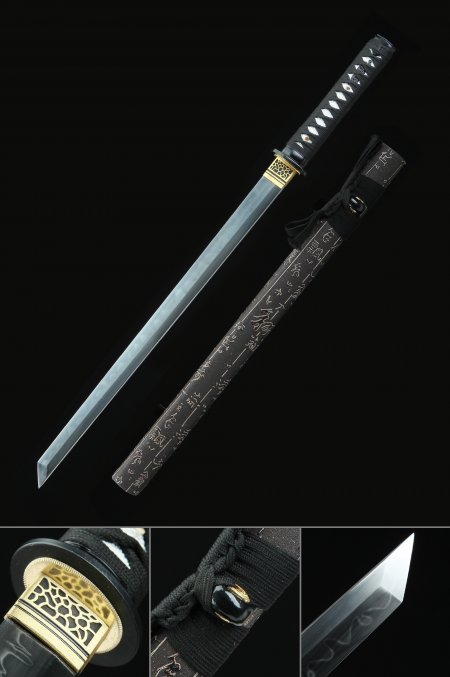
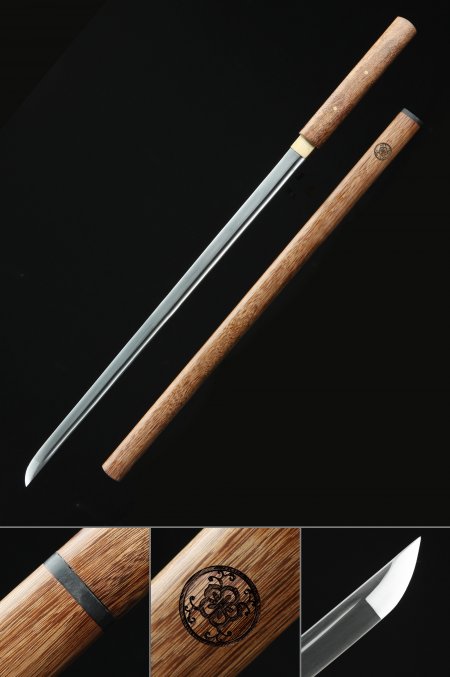
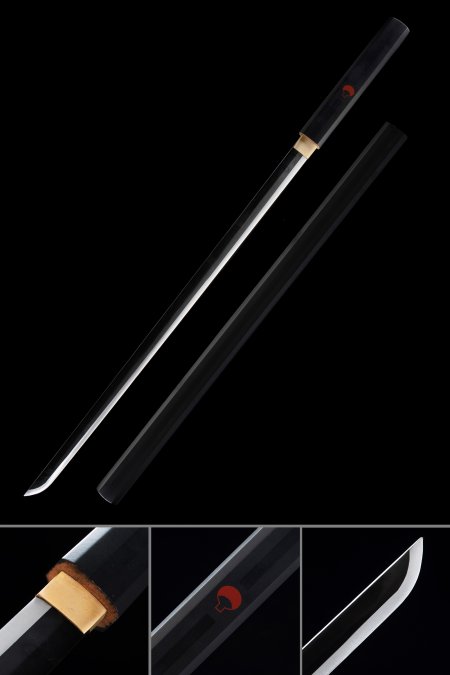
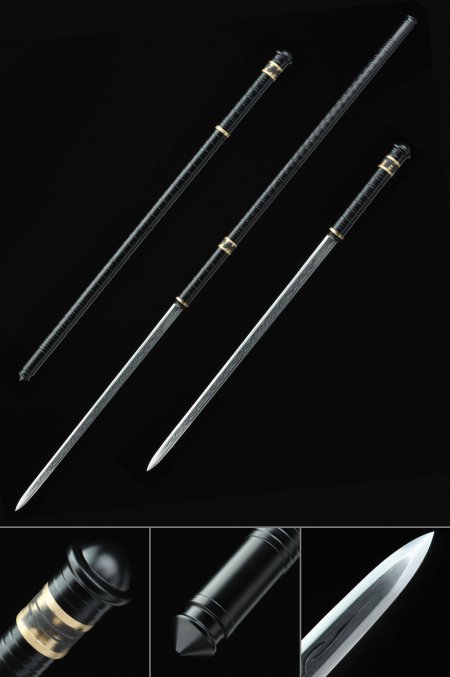
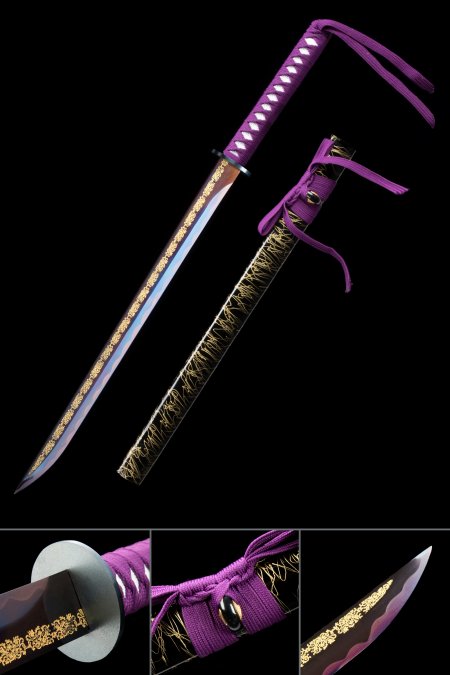
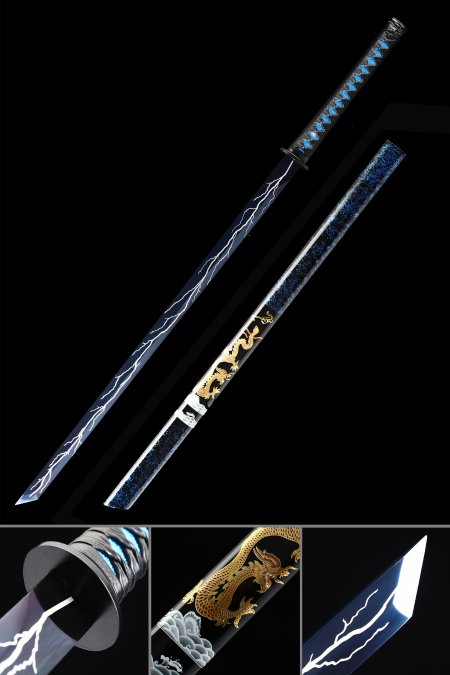
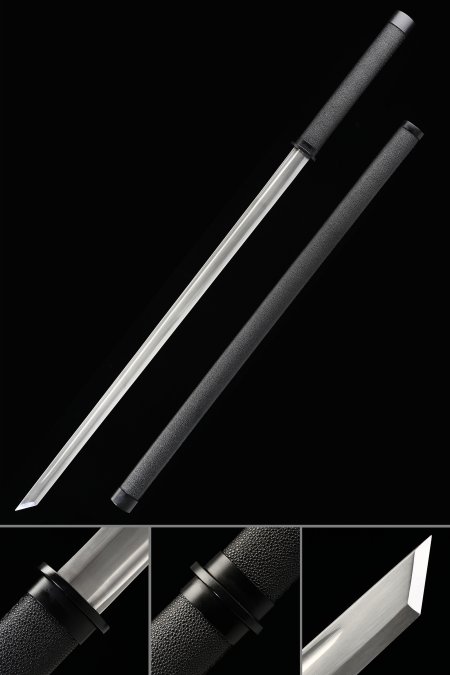
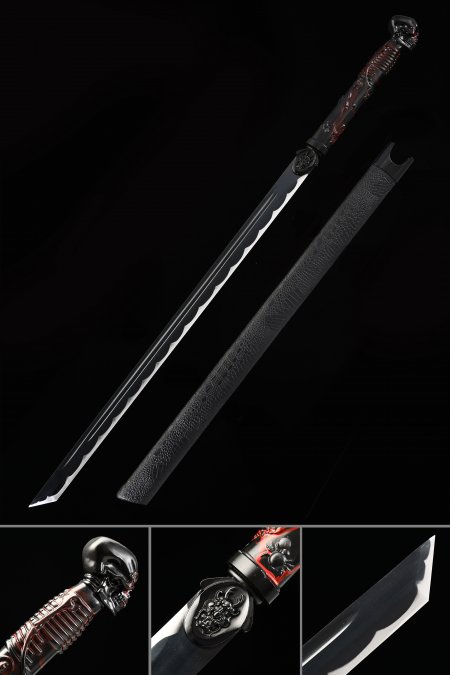
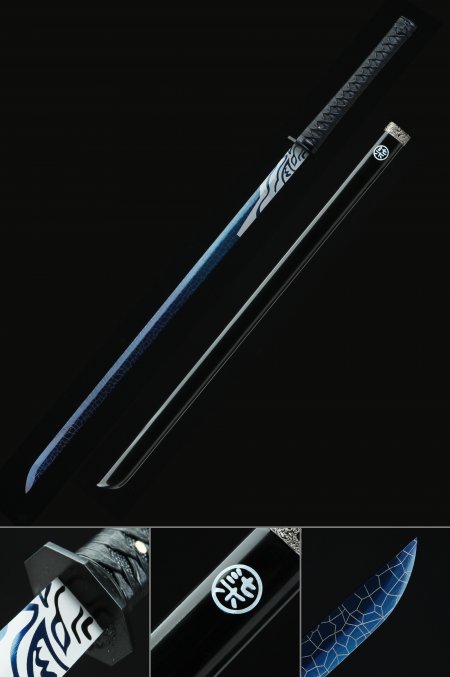
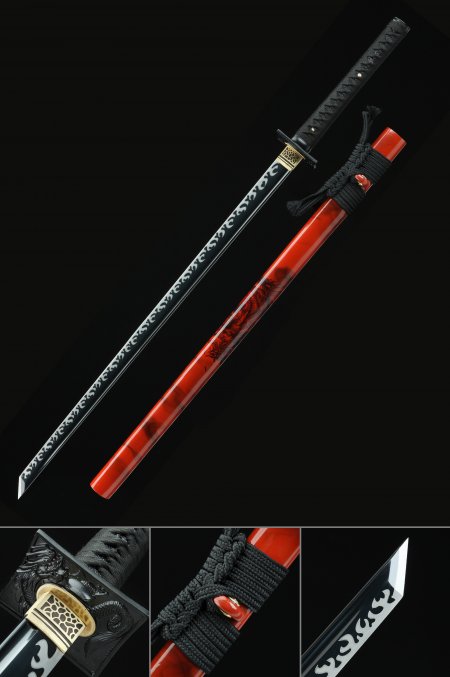
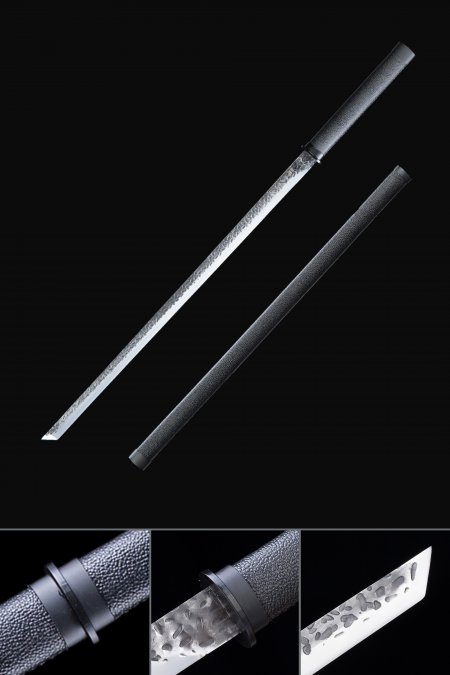
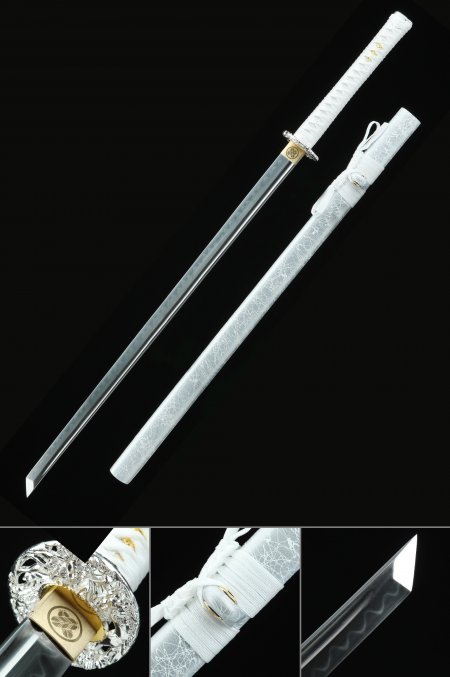
Traditional katana tsuba tend toward round or occasionally oval shapes with refined, often understated decorative motifs drawn from nature, family crests, or classical art. Ninjato tsuba, both historically and in contemporary collectible designs, lean toward a square or rectangular profile, which is considered a defining visual marker of the shinobi aesthetic. In this collection, tsuba designs push further into bold ornamental territory: skull motifs, roaring lion faces, coiled snake designs, and dragon engravings are common. These choices reflect the theatrical identity that the ninjato has developed in modern collector culture, distinct from the more austere samurai sword tradition. The contrast between the square guard and the straight blade creates a cohesive geometric visual language that appeals to collectors drawn to the darker, more dramatic side of Japanese blade design.