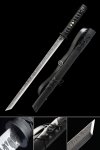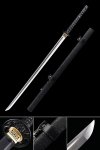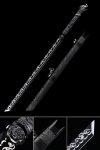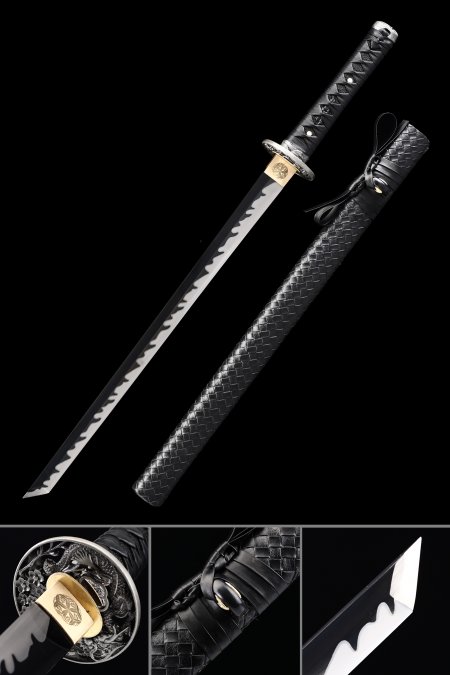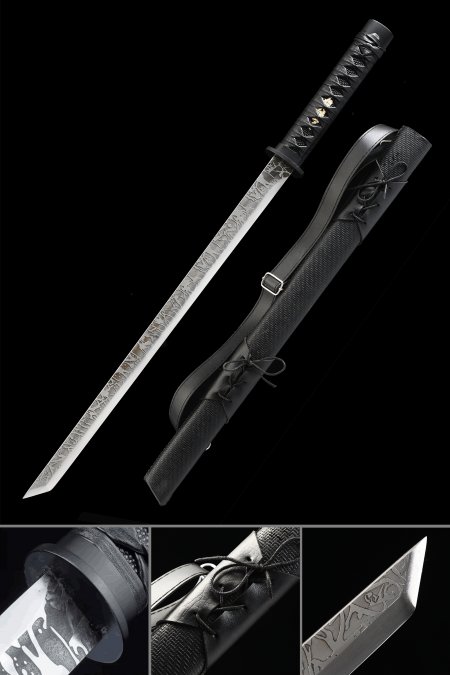
Leather Ninjato

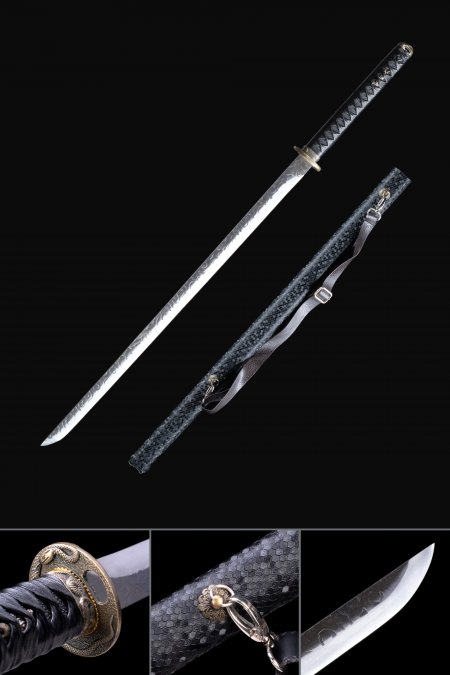
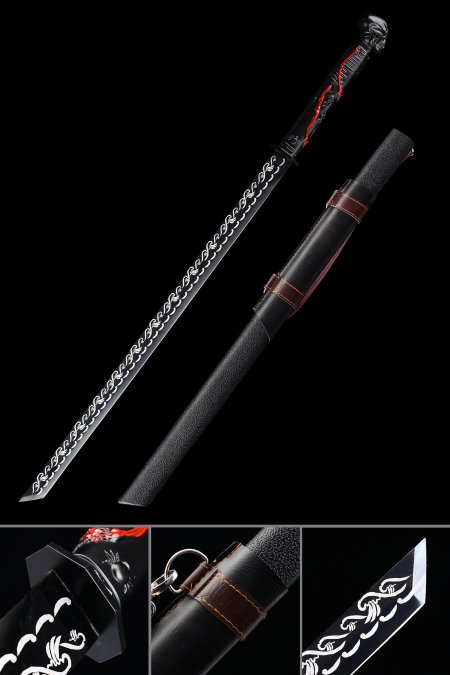
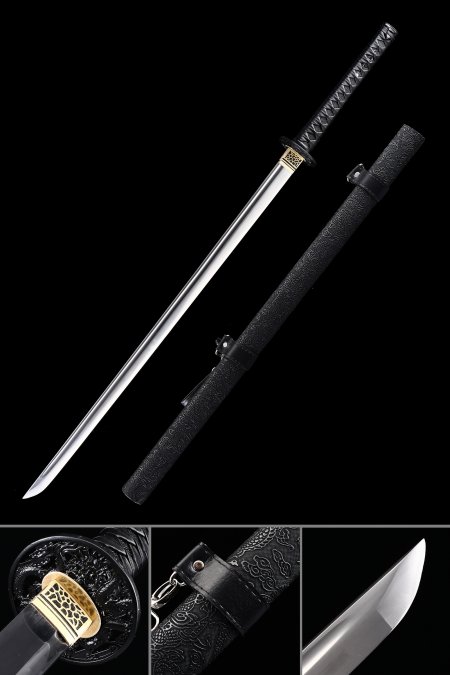
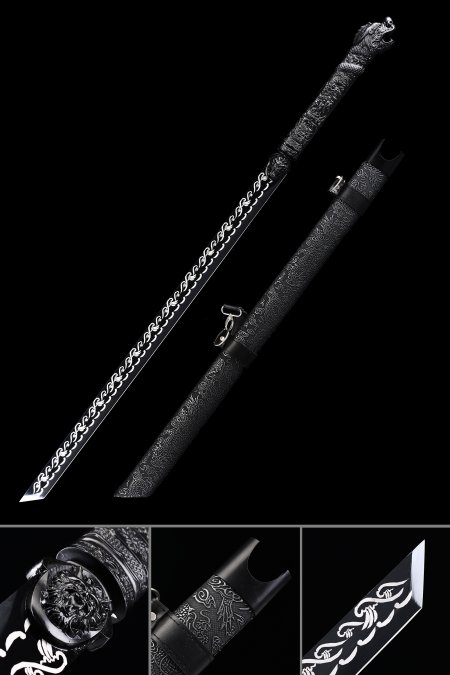
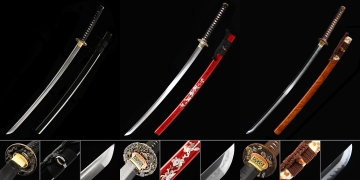
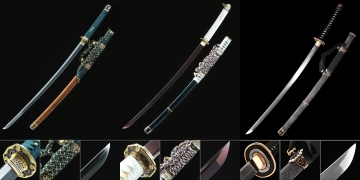
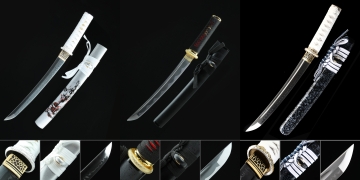
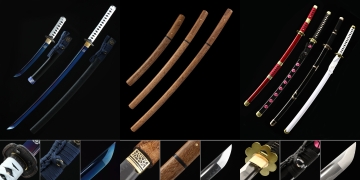
A finely crafted leather ninjato brings together the sleek, straight-bladed silhouette of classic shinobi tradition with the rich, tactile character of hand-wrapped or embossed leather saya work. Each piece in this collection features quality steel construction, distinctive tsuba designs, and meticulously finished scabbards that make them as compelling on a display stand as they are in a collector's cabinet. Enjoy free shipping on qualifying orders, plus a hassle-free return policy for total peace of mind.

Showing 6 Products

Frequently Asked Questions

What steel types are used in leather ninjato blades?
The leather ninjato collection includes two primary steel grades. Manganese steel is the more common option — it is a tough, impact-resistant alloy that resists bending under stress and is well-suited for display pieces that may also be used for light test cutting. T10 high-carbon steel, found in the premium tier, is a tool-grade carbon steel that undergoes clay tempering: a process where clay is applied along the spine before quenching, causing the edge and spine to cool at different rates. This differential hardening produces a visible hamon (temper line) along the blade and results in a harder edge with a tougher, more flexible spine. T10 clay-tempered pieces are considered a step up in collectible authenticity because this process closely mirrors traditional Japanese blade-making methodology.
How does a leather saya differ from a lacquered wood saya?
A lacquered wood saya offers a hard, protective shell with a formal, traditional aesthetic — the finish is uniform and largely resistant to fingerprints. A leather saya, by contrast, is either wrapped in genuine leather or constructed with an embossed leather outer layer over a wood or resin core. Leather sayas are slightly lighter in some configurations and develop a natural patina with age and handling, giving the piece a lived-in, artisan quality that many collectors find more personal. The surface texture also allows for deeper decorative relief work, such as dragon or geometric embossing, that would be difficult to achieve with lacquer alone. The trade-off is that leather requires slightly more attention to humidity and moisture to prevent cracking over time.
How should I store and maintain a leather-saya ninjato?
For the blade, apply a thin coat of mineral oil or dedicated sword oil every few months, or more frequently in humid climates. Wipe the blade clean with a soft, lint-free cloth before oiling to remove any fingerprint acids that cause pitting over time. For the leather saya, keep it away from prolonged direct sunlight, which dries and cracks leather. Applying a small amount of leather conditioner once or twice a year preserves suppleness and prevents the surface from becoming brittle. Store the sword horizontally on a display rack or in a sword bag in a climate-controlled space — avoid basements with high moisture or attics with temperature extremes. Never store the blade inside the saya long-term with oil on it, as trapped moisture can affect both the blade and the leather lining.
What makes ninjato tsuba designs different from katana tsuba?
Traditional katana tsuba tend toward round or occasionally oval shapes with refined, often understated decorative motifs drawn from nature, family crests, or classical art. Ninjato tsuba, both historically and in contemporary collectible designs, lean toward a square or rectangular profile, which is considered a defining visual marker of the shinobi aesthetic. In this collection, tsuba designs push further into bold ornamental territory: skull motifs, roaring lion faces, coiled snake designs, and dragon engravings are common. These choices reflect the theatrical identity that the ninjato has developed in modern collector culture, distinct from the more austere samurai sword tradition. The contrast between the square guard and the straight blade creates a cohesive geometric visual language that appeals to collectors drawn to the darker, more dramatic side of Japanese blade design.
Is a leather ninjato a good gift for a blade collector?
Yes — a leather ninjato makes a particularly strong gift choice because it combines immediately recognizable silhouette appeal with details that reward closer inspection. The straight blade is visually distinctive from the curved katana most people default to, making it a less predictable and more memorable selection. The leather saya adds a tactile, artisan dimension that photographs well and displays beautifully. For a first-time collector, a manganese steel piece with an embossed dragon saya offers an impressive presentation at an accessible price point. For someone who already owns several katana, a T10 clay-tempered ninjato represents a meaningful upgrade in both material quality and collectible authenticity. Packaging these pieces as a display set alongside a dedicated sword stand completes the gift.

Customer Reviews