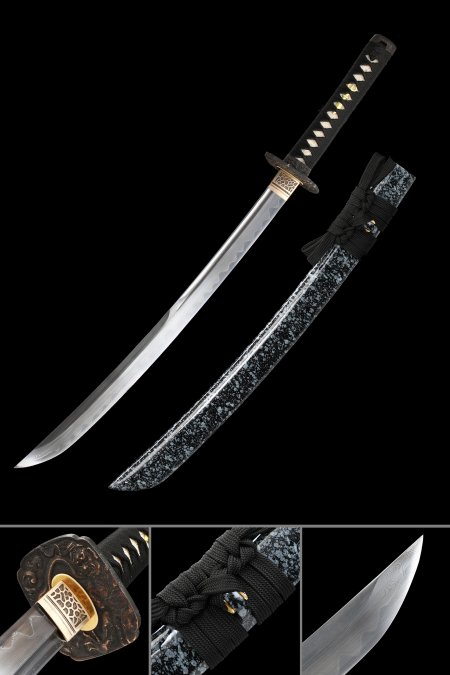
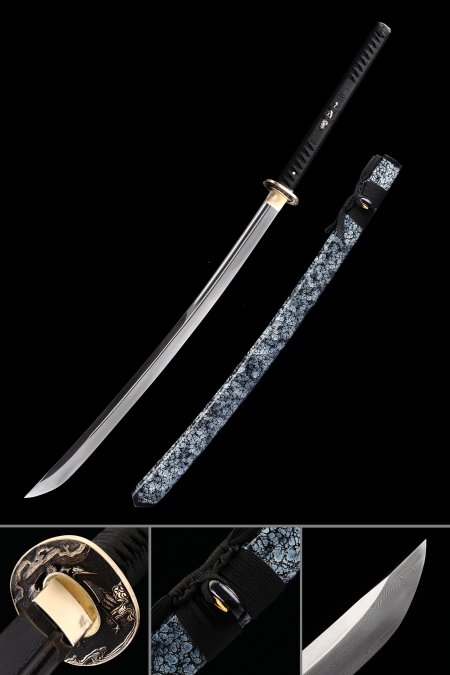
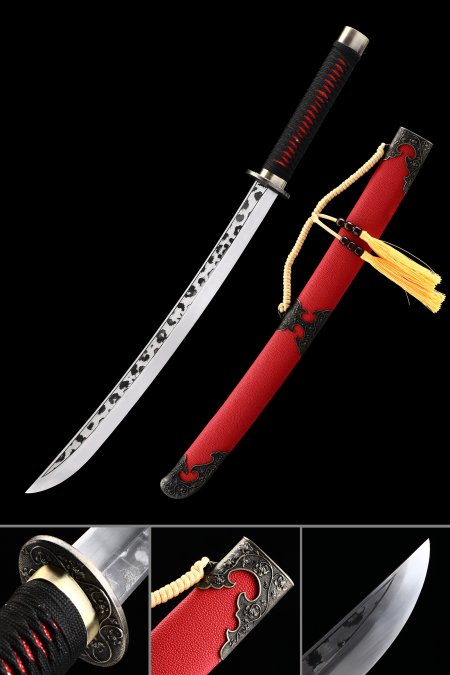
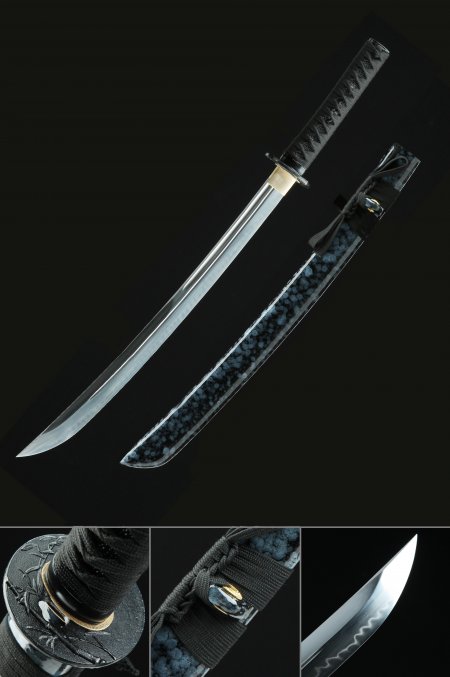
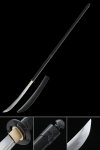
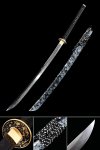
About Our Naginata
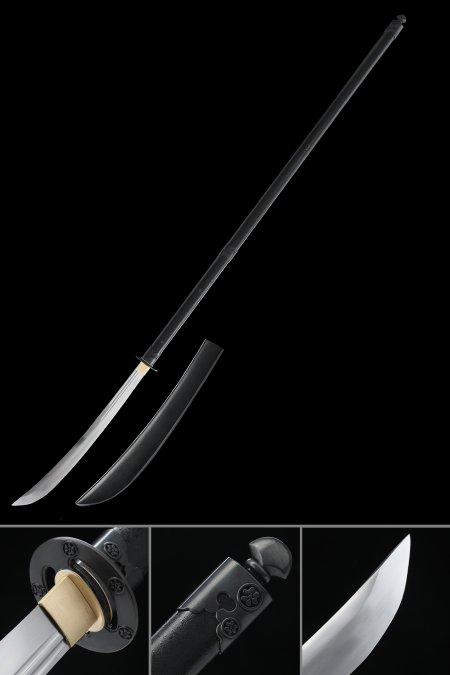
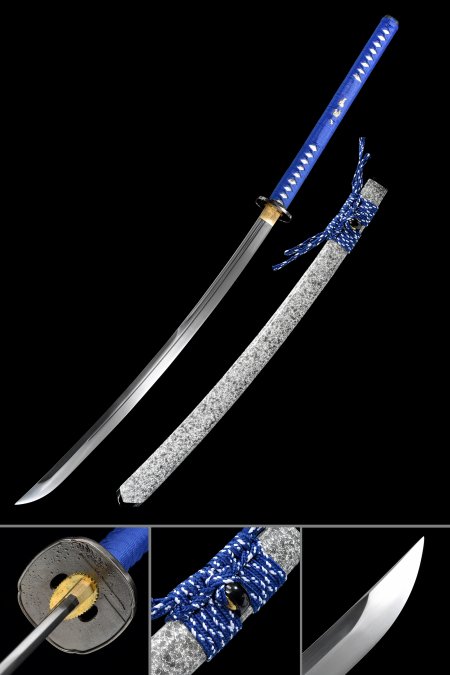
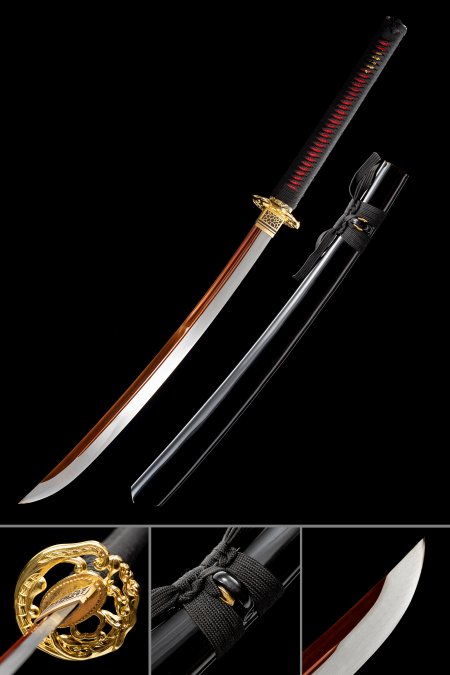
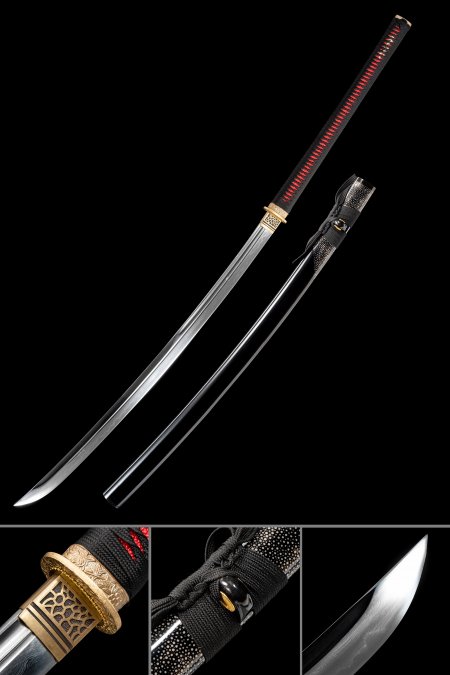
The naginata is a traditional Japanese polearm featuring a curved, single-edged blade mounted on a long wooden shaft. With roots dating back to the Heian period (794–1185), the naginata became one of the most versatile and respected arms in feudal Japan. It was widely used by the sohei (warrior monks), by samurai on the battlefield, and later became closely associated with women of the samurai class, who trained with the naginata as part of household defense. At TrueKatana, our naginata collection features 12 handmade pieces across multiple steel types and blade profiles, each individually hand-forged using traditional techniques.
What Makes the Naginata Unique
The naginata occupies a distinctive place among Japanese edged arms. Unlike the katana, wakizashi, or tanto — which are all handheld swords — the naginata combines a curved sword blade with a long shaft, typically measuring 120–240 cm in total length. This design gives it exceptional reach and leverage. The blade itself resembles a shorter, slightly curved katana blade, usually 30–60 cm in length, and is forged using the same steel types and tempering methods as traditional Japanese swords. For collectors, the naginata offers a scale and visual presence that no other Japanese blade type can match.
Choosing the Right Naginata
Entry-Level Naginata
Our 1045 and 1060 carbon steel naginata are a solid starting point for collectors. These steels provide reliable durability with traditional blade geometry and full-length wooden shafts. Entry-level models are ideal for display and as a centerpiece in a Japanese sword collection.
Premium Naginata
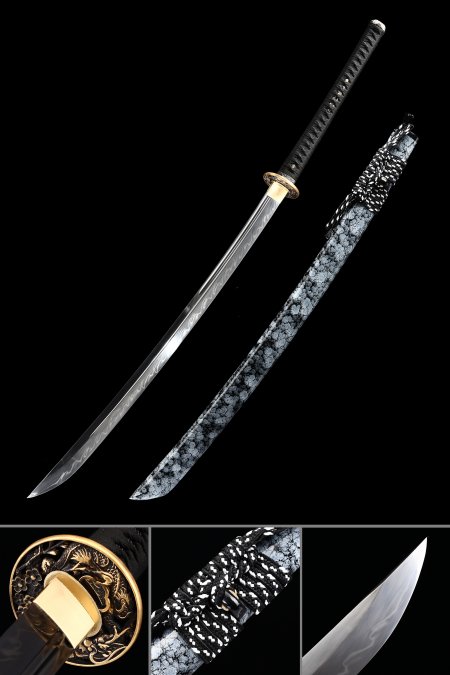
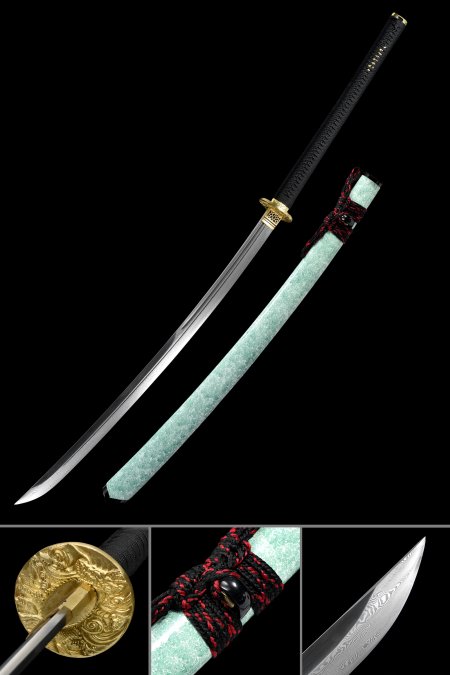
For collectors seeking higher-grade craftsmanship, our T10 carbon steel and damascus steel naginata feature clay-tempered blades with real hamon lines and unique folded patterns. The longer blade profile of a naginata makes the hamon especially visible and dramatic. These premium pieces represent the highest level of hand-forged polearm craftsmanship in our collection.
Naginata vs. Katana — How They Compare
The naginata and katana are both curved Japanese blades, but they serve very different roles. The katana is a two-handed sword with a blade of 60–73 cm, designed for close-to-mid range use. The naginata extends that range significantly with its long shaft, giving the wielder the ability to control space at a distance. Historically, the naginata was considered one of the few arms that could effectively counter a mounted samurai — its reach and sweeping arc made it highly effective in open-field settings. For collectors, the naginata complements a katana collection by adding a completely different form factor and historical context.
Naginata in Japanese Martial Arts and Culture
The naginata holds a special place in Japanese martial arts. Naginatajutsu — the classical art of the naginata — has been practiced for centuries and remains active today through organizations like the All Japan Naginata Federation. In modern practice, atarashii naginata is a competitive sport using a bamboo replica for safe sparring. Historically, naginata training was a core part of education for women in samurai households, and this tradition continues today — naginata is one of the few Japanese martial arts where female practitioners have always held a prominent role.
How Our Naginata Are Made
Steel Selection and Forging
Each naginata blade starts with raw steel — whether 1045 carbon, T10, or layered damascus. The steel is heated, hammered, and shaped by hand into a curved blade profile similar to a katana but typically shorter and with a wider base near the tang.
Clay Tempering and Hamon
On our clay-tempered models, a layer of clay is applied along the spine before quenching. This creates differential hardness and produces the hamon line prized by collectors. The naginata's blade length provides ample space for the hamon to develop a striking, visible pattern.
Shaft and Mounting
After the blade is polished, it is fitted to a full-length hardwood shaft with traditional hardware. The junction between blade and shaft is reinforced with a metal collar and secured with pins. The shaft is typically finished with a lacquer coating or natural wood treatment for durability and grip.