FAST SHIP
96 Reviews
ON SALE 15% OFF
$159.00$189.00

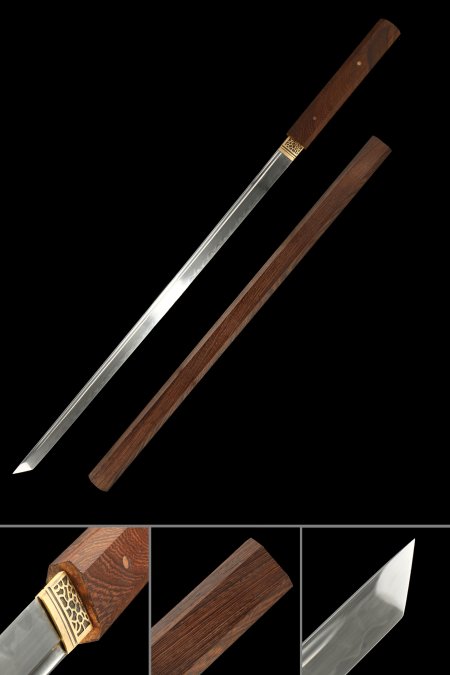
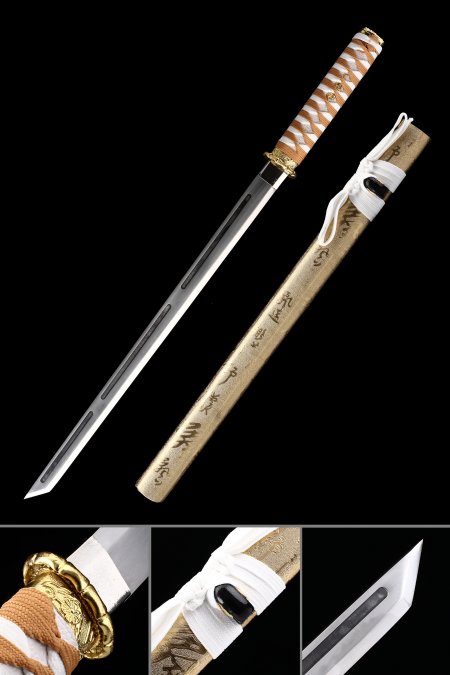
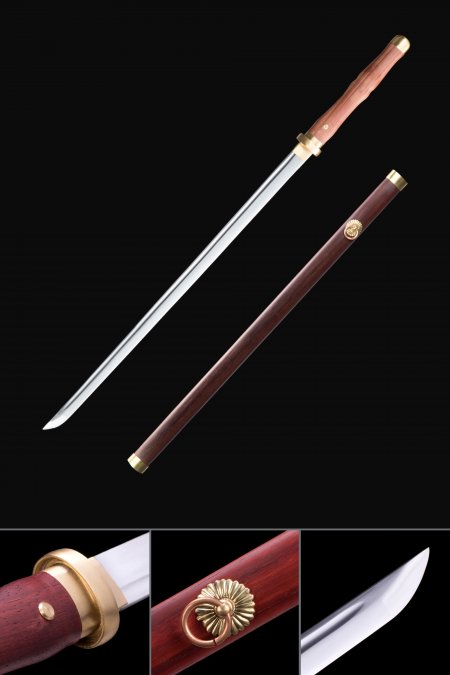
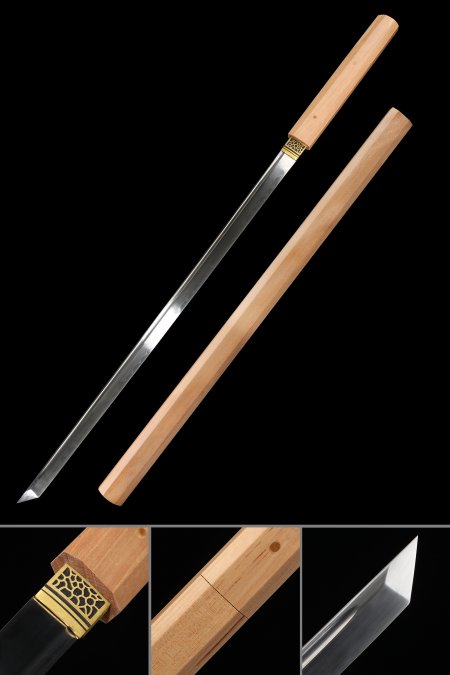
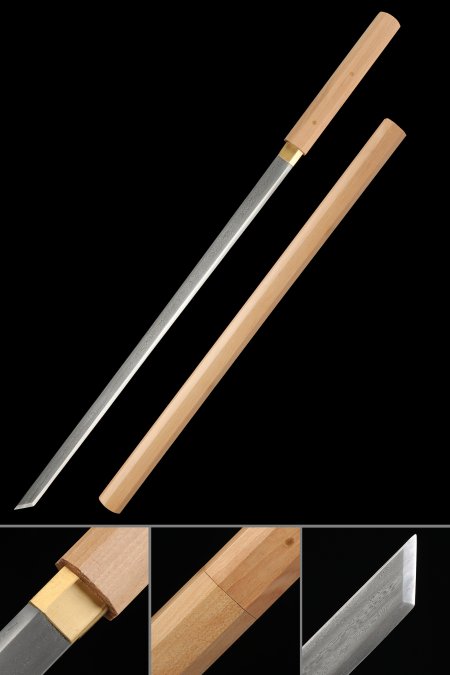
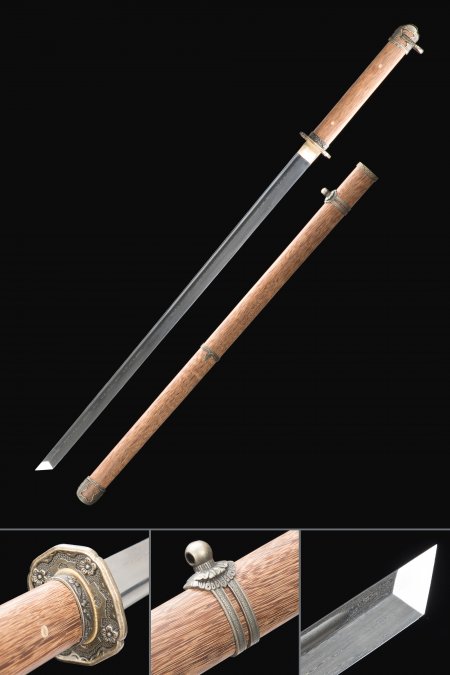
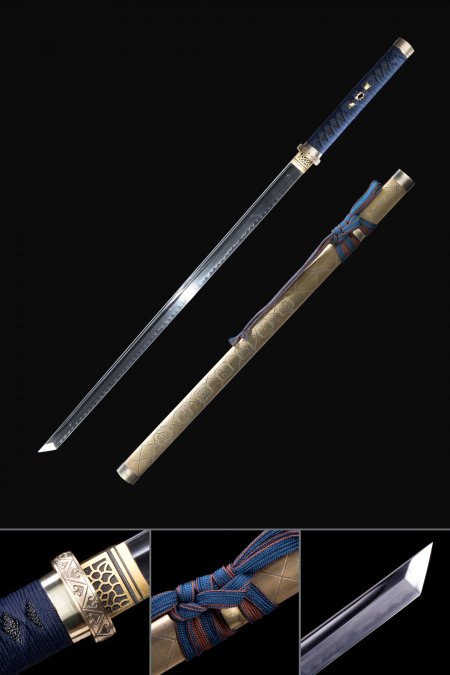
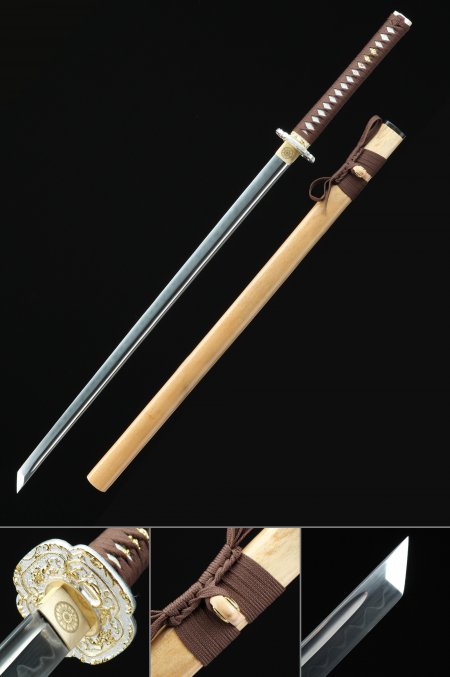
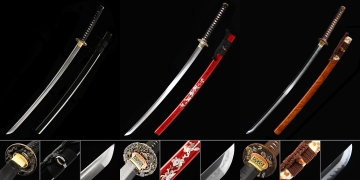
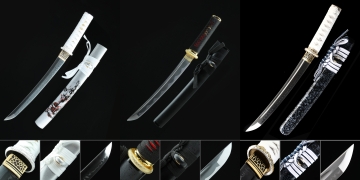
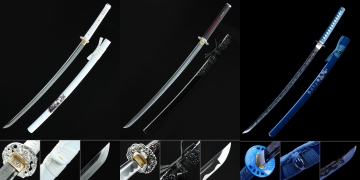
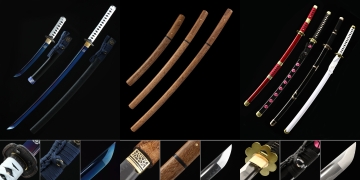
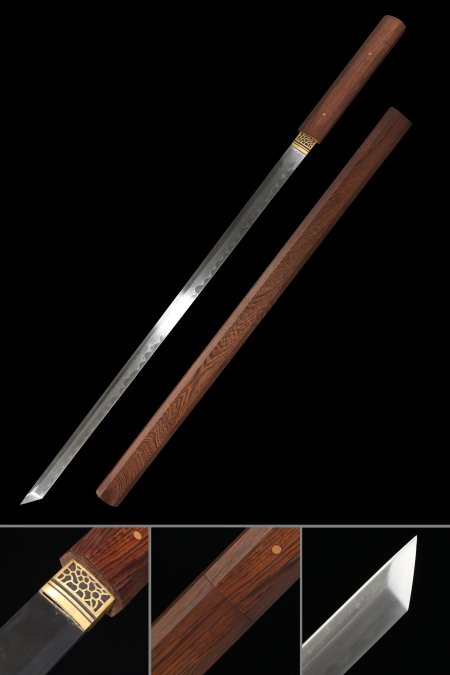
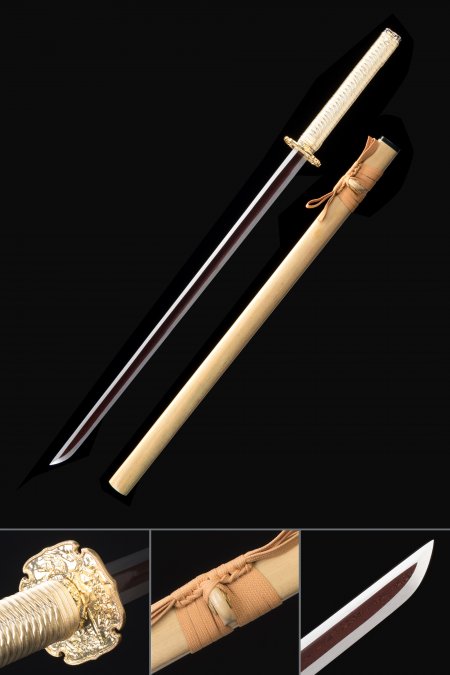
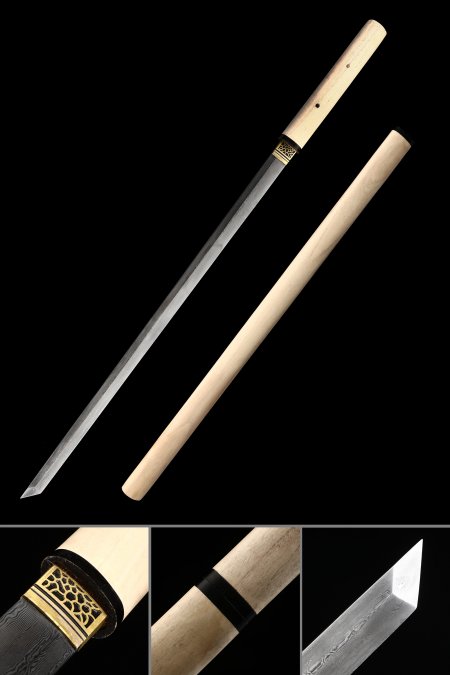
Explore our Natural Ninjato collection — straight-bladed Japanese swords crafted from premium carbon and Damascus steels, paired with natural rosewood saya and traditional fittings. Each piece is hand-forged with full-tang construction, delivering authentic aesthetics for collectors who appreciate understated elegance. Every order ships with free shipping and a hassle-free return policy.
The sword arrived unscathed, excellent craftsmanship. Well balanced and blade was sharp, Plan to get more in the near future.
 |
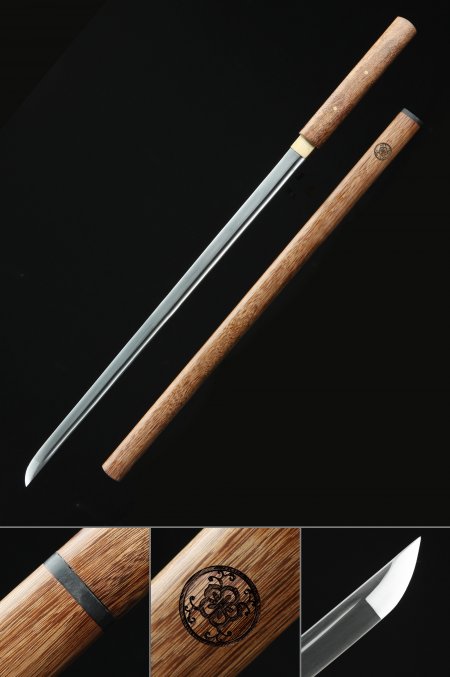
Manganese Steel Shikomizue Sword With Natural Rosewood Saya And Engraved Floral Crest |
Very impressive. I would purchase this functional work of art again.
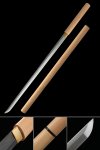 |
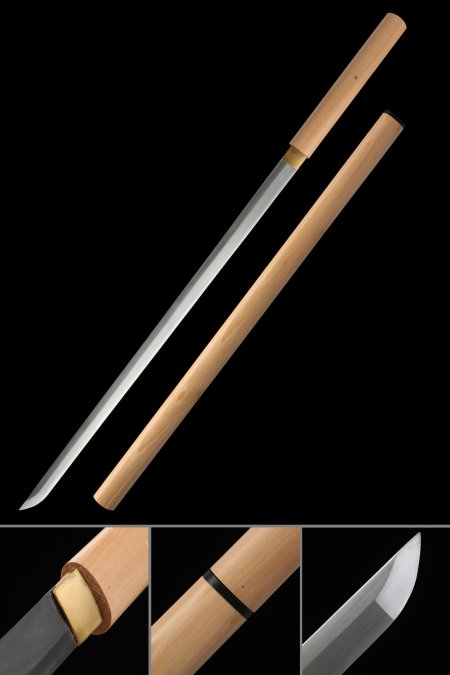
Shikomizue Stick Sword in 1090 Carbon Steel with Natural Hardwood Saya and Clay-Tempered Hamon |
Its been years since I got this word and its as nice as when I first got it. TRULY QUALITY WORK.
|
Manganese Steel Shikomizue Sword With Natural Rosewood Saya And Engraved Floral Crest |
Bonjour, j'ai bien reçu votre commande dans un état irréprochable . L'épée est sublime, magnifique ,la garde travaillée le fourreau dans un bois exceptionnel mais fin au travail de Maitre . Encore merci pour cette épée . Bien à vous Barranco Giuseppe
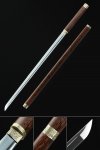 |
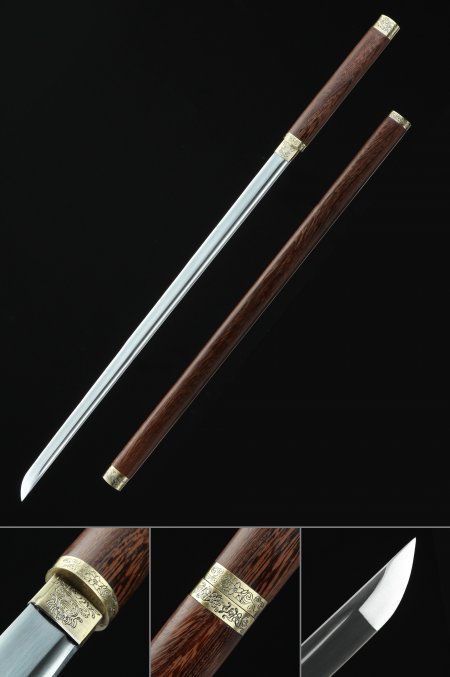
Fujitora Issho Sword - 1045 Carbon Steel Ninjato with Rosewood Saya and Gold Alloy Fittings |
This sword is beautifully made. It is nicely balanced and fully functional, with a sharp blade edge and a secure fit in the wooden scabbard. Kudos and thanks to the swordsmith for a job well done.
|
Manganese Steel Shikomizue Sword With Natural Rosewood Saya And Engraved Floral Crest |
Decent quality but it would be nice to know that it shipped from china and takes 6-8 weeks to arrive and is only shipped in styrofoam and tape.
|
Manganese Steel Shikomizue Sword With Natural Rosewood Saya And Engraved Floral Crest |
Outstanding product as advertised. Sword is very sharp and was well packaged for shipment.
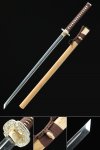 |
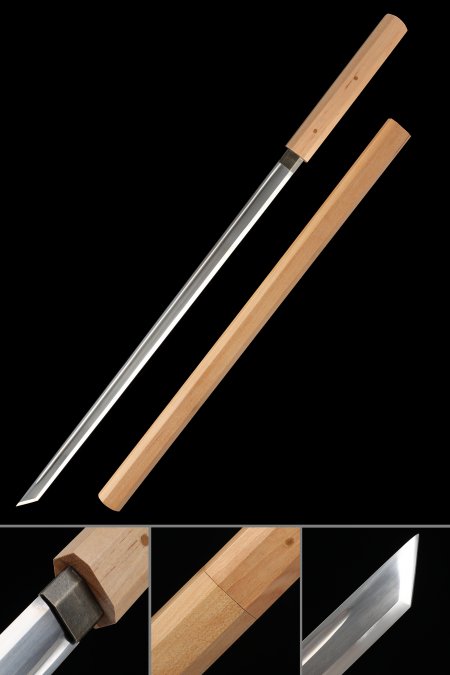
T10 Carbon Steel Chokuto Ninjato with Real Hamon - Natural Wood Saya, Brown Ito, Gold-Silver Tsuba |
I was very pleased with my sword just as advertised. Thanks, Truekatana...
|
Manganese Steel Shikomizue Sword With Natural Rosewood Saya And Engraved Floral Crest |