What makes 1095 carbon steel a good choice for Tibetan knife collectibles?
Updated Mar 2026
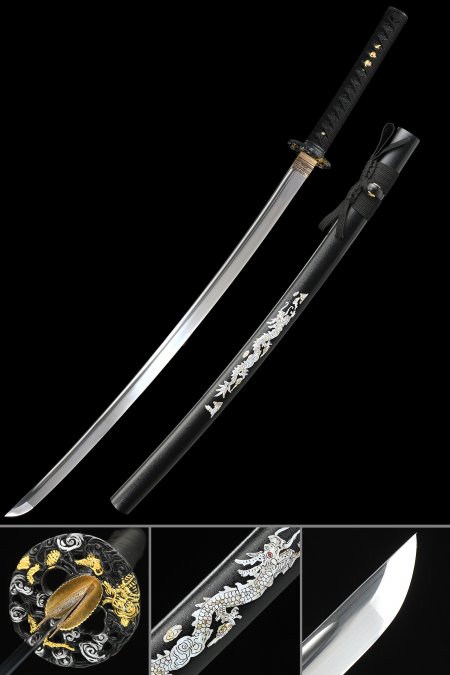
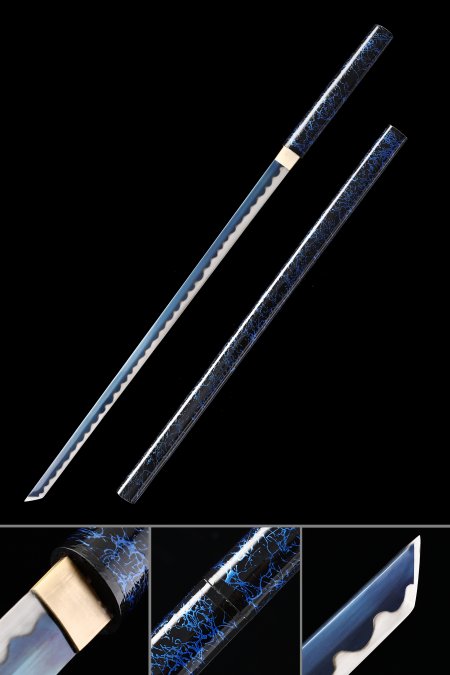
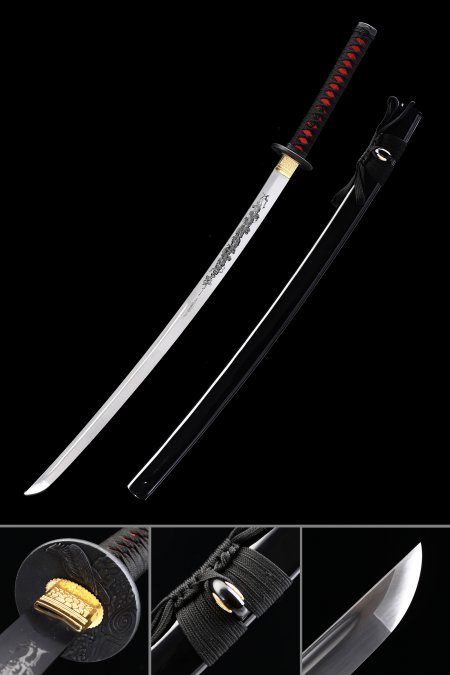
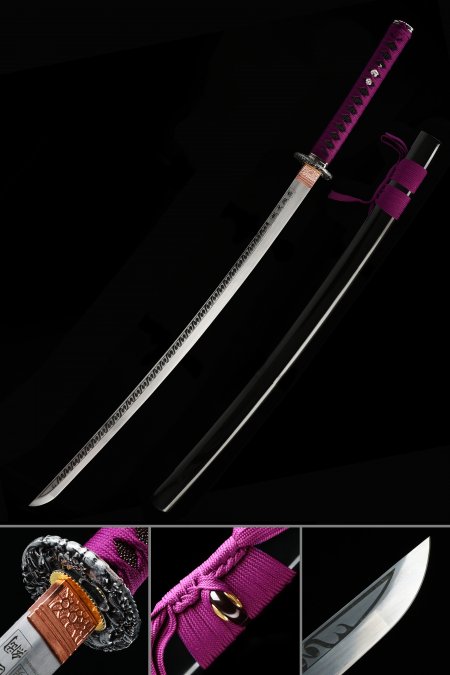
1095 carbon steel contains roughly 0.95% carbon, giving it a well-defined grain structure that responds predictably to hand-forging and traditional grinding techniques. For collectible Tibetan knives, this matters because the blade surface must accept the kind of fine finishing that allows decorative etchings and polished bevels to read clearly under display lighting. Spring steel, used on several pieces in this collection, offers similar workability with slightly more flex — a property that historically suited longer Tibetan broadsword forms. Neither alloy requires exotic heat treatment, which means skilled smiths can work them using time-honored methods rather than industrial processes, keeping the handcrafted character intact. From a collector's perspective, both steels develop a natural patina over time that adds visual depth and authenticity to the piece.