How does a Damascus steel flower blade differ from a manganese version?
Updated Mar 2026
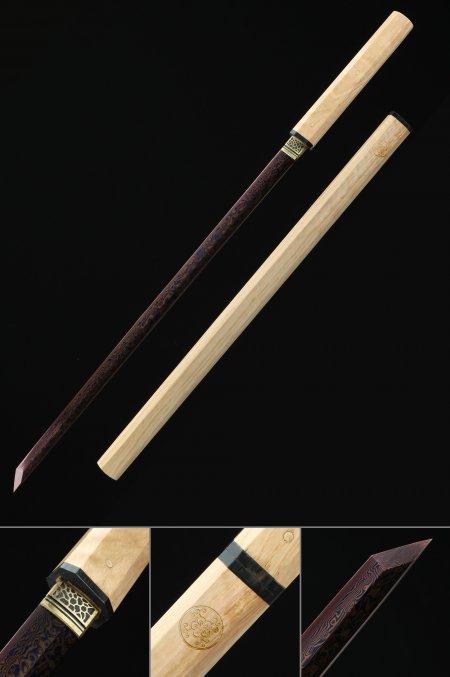
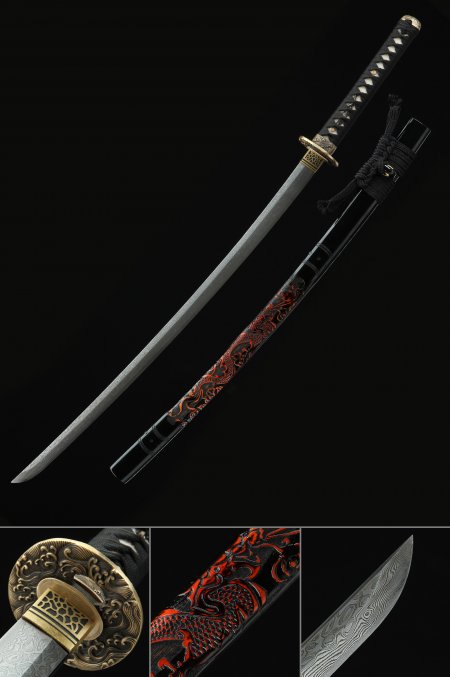
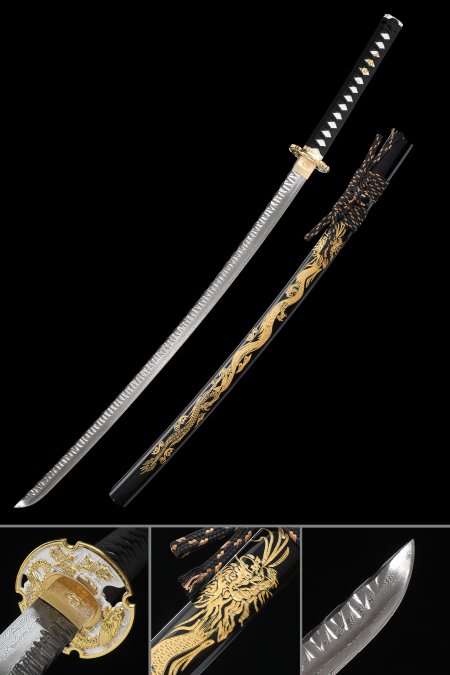
The core difference is in the steel's visual character before the engraving even begins. Damascus steel is produced by forge-folding two or more steel alloys together repeatedly, which creates a visible flowing grain - sometimes called a watered or woodgrain pattern - across the blade surface. When floral engravings are applied over this base, the botanical lines interact with the underlying layer pattern, creating a layered visual depth that flat manganese steel cannot replicate. The trade-off is primarily in finish options: Damascus blades typically display in their natural silver-grey or lightly polished state to showcase the grain, while manganese pieces can carry black, blue, or other treatments more easily. For collectors focused purely on engraving artistry, manganese offers cleaner contrast; for collectors who prize the steel itself as part of the aesthetic, Damascus provides an irreproducible organic quality.