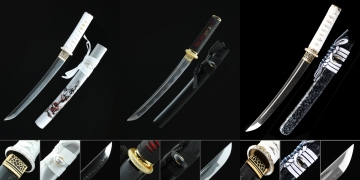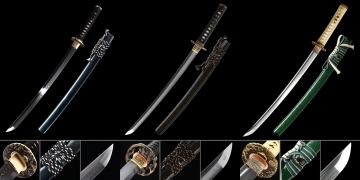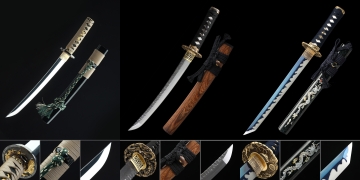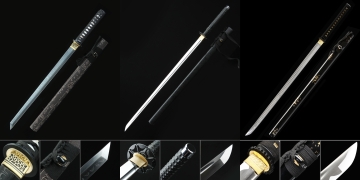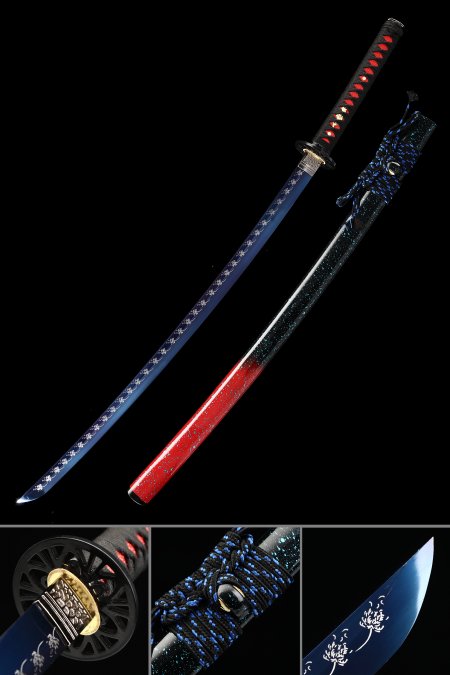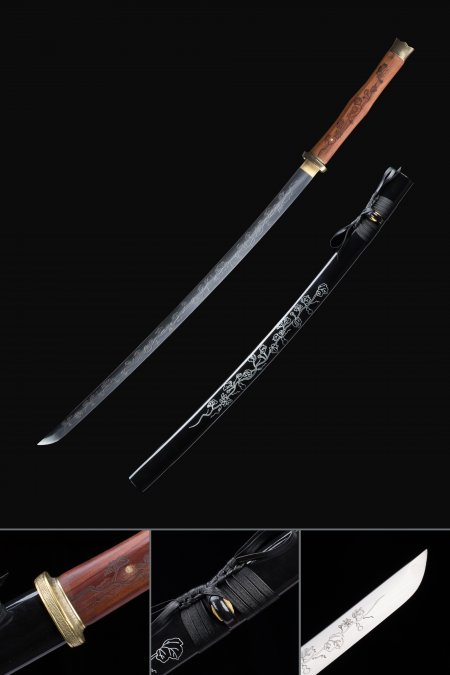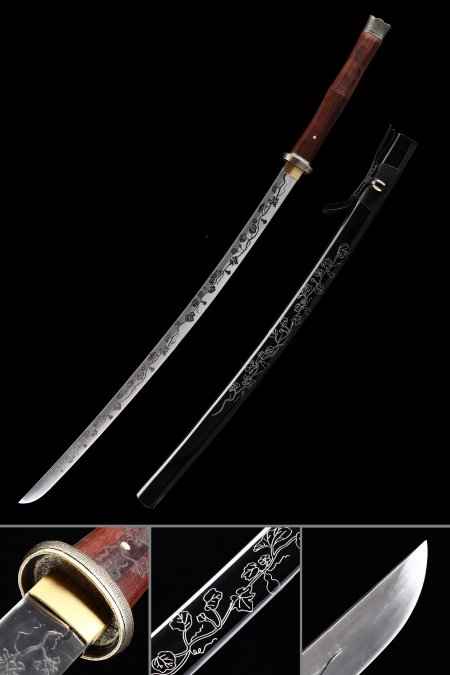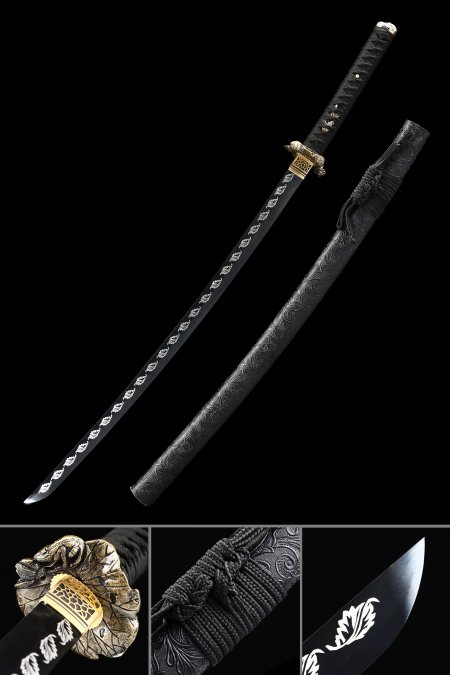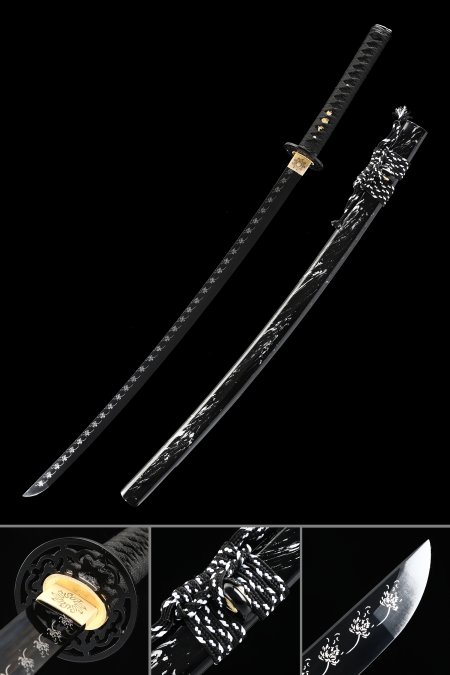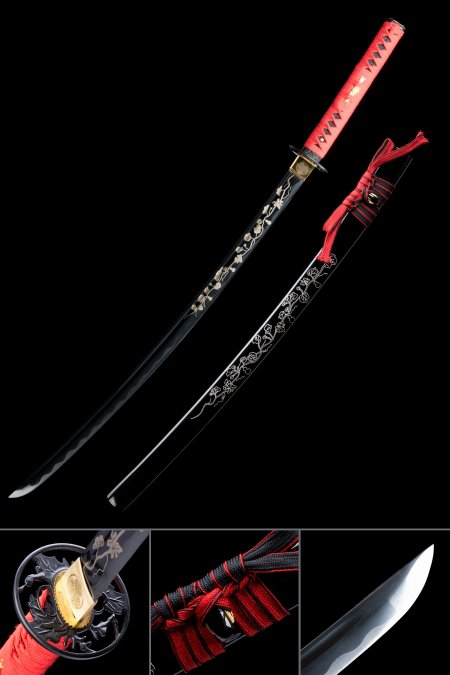
Flower Blade Katana

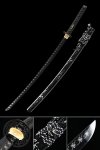
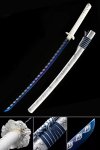
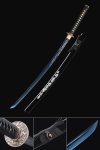
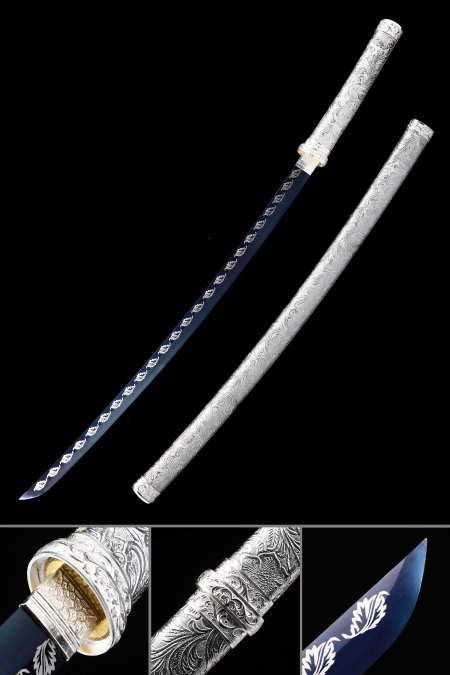
Flower Blade Katanas bring together the timeless artistry of Japanese sword craftsmanship and the delicate beauty of floral engraving. Each piece in this collection features hand-etched botanical motifs - from climbing vines to blooming lotus - rendered across high manganese and Damascus steel blades, paired with lacquered saya and carefully fitted koshirae. These are collector-grade display pieces, crafted for those who appreciate form as much as heritage. Enjoy free shipping on your order, with hassle-free returns for complete peace of mind.
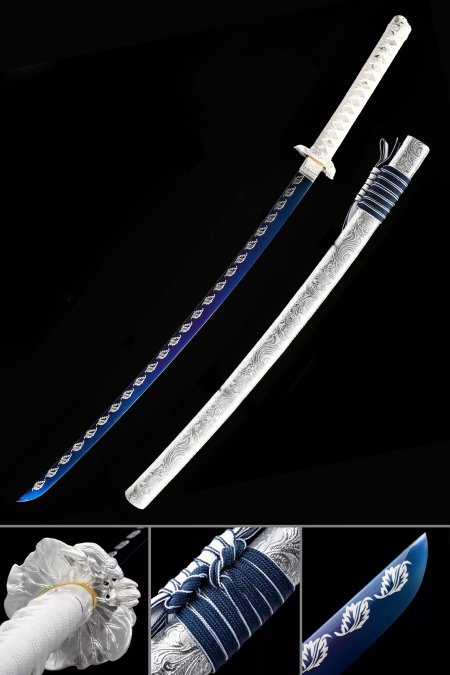
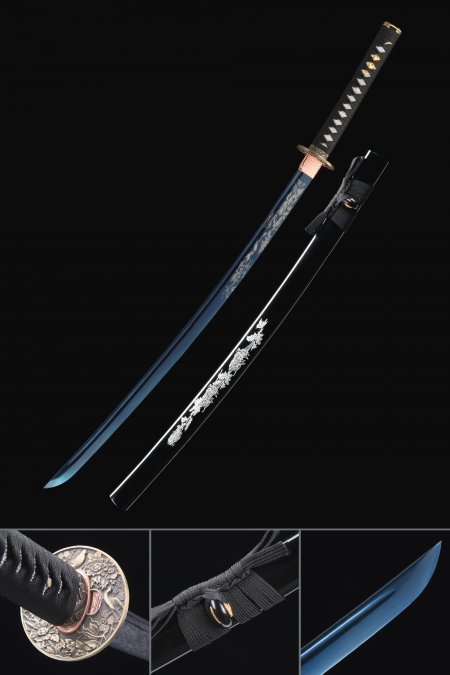
Showing 9 Products

Frequently Asked Questions

How is the floral design applied to these katana blades?
The floral motifs on these collectible katanas are applied through two primary methods depending on the piece. Most manganese steel blades use mechanical engraving or acid-etching, where grooves or recessed patterns are cut directly into the blade surface to create botanical designs with tactile depth you can feel with a fingertip. Some blue-finished blades use a printed or chemically-treated surface layer that produces sharper graphic contrast against the colored steel. Damascus steel pieces gain an additional layer of visual complexity because the folded layering process creates a natural grain in the steel that interacts with engraved lines, making each piece genuinely unique. Unlike painted or stickered decoration, engraved and etched work is permanent and does not peel or fade with normal handling and proper oiling.
What makes manganese steel a good choice for display katanas?
High manganese steel - commonly referenced in the 1045 to high-Mn range - is a practical and widely respected choice for collectible display swords for several reasons. It offers good surface hardness that resists minor scratching during handling, while remaining less brittle than high-carbon steels that require precise heat treatment to avoid cracking. Crucially for flower blade katanas, manganese steel accepts blackening, blue oxidation finishes, and engraving procedures reliably, allowing the detailed botanical work to be executed cleanly. It also holds lacquer adhesion at the machi (blade collar) area without the micro-corrosion that can affect poorly tempered high-carbon blades in humid display environments. For pieces intended to be admired, handled occasionally, and maintained on a display stand rather than subjected to functional stress, manganese steel delivers an excellent balance of visual quality and long-term stability.
How does a Damascus steel flower blade differ from a manganese version?
The core difference is in the steel's visual character before the engraving even begins. Damascus steel is produced by forge-folding two or more steel alloys together repeatedly, which creates a visible flowing grain - sometimes called a watered or woodgrain pattern - across the blade surface. When floral engravings are applied over this base, the botanical lines interact with the underlying layer pattern, creating a layered visual depth that flat manganese steel cannot replicate. The trade-off is primarily in finish options: Damascus blades typically display in their natural silver-grey or lightly polished state to showcase the grain, while manganese pieces can carry black, blue, or other treatments more easily. For collectors focused purely on engraving artistry, manganese offers cleaner contrast; for collectors who prize the steel itself as part of the aesthetic, Damascus provides an irreproducible organic quality.
What care routine keeps a lacquered saya in good condition?
Lacquered saya - whether piano-black or matte black finish - requires a small amount of consistent attention to stay pristine on display. Avoid storing the blade sheathed for more than a few weeks without removing it, as trapped moisture between blade and saya can initiate surface rust on the steel and cause lacquer to soften or bubble from the interior. When dusting the saya, use a dry microfiber cloth rather than abrasive materials; even fine grit can scratch lacquer's glassy surface. Keep display pieces away from direct sunlight, which yellows clear-coat lacquer and fades color treatments over time. If the lacquer develops a hairline crack - typically from low-humidity environments causing the wood substrate to contract - a light application of furniture wax (not silicone-based) can seal minor surface checks. Annual inspection of the koiguchi (saya mouth) fit is also worthwhile, as a loose fit allows the blade to rattle and scratch the interior finish.
Are these katanas suitable as gifts for sword collectors?
Flower blade katanas make genuinely distinctive gifts for collectors precisely because they occupy a clear niche: they combine the established collectible format of a full-tang Japanese sword with decorative artistry that separates them from plainer display pieces. A few details make gift selection easier. First, consider whether the recipient has a preferred steel aesthetic - blue blades with silver saya appeal to collectors drawn to bold color contrasts, while natural Damascus with rosewood handle suits those who prefer warm, traditional palettes. Second, the koshirae style matters to knowledgeable collectors: dragon tsuba pieces skew toward dramatic, statement displays, while lotus or geometric tsuba designs read as more refined. Finally, including a horizontal display stand as a companion gift is almost always appreciated, since it allows the engraved blade to be positioned where the detail work is actually visible - flat in a drawer does justice to neither the piece nor the giver's thoughtfulness.

Customer Reviews

Jeffrey Hoover Florida, United States

It looks nice but there’s no way this is actually T10 steel. The tip bent from stabbing an aluminum can and it can’t even cut a cardboard box. Be very careful if you actually want to swing this sword because it’s most likely very cheaply made Chinese steel that could shatter and hurt you or someone nearby. Use it as a decoration.
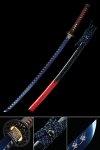
Blue Manganese Steel Katana with Flower Engraving, Black Geometric Tsuba and Lacquer Saya Blue Manganese Steel Katana with Flower Engraving, Black Geometric Tsuba and Lacquer Saya