How does an Olive T10 katana compare to a standard folded steel sword?
Updated Mar 2026
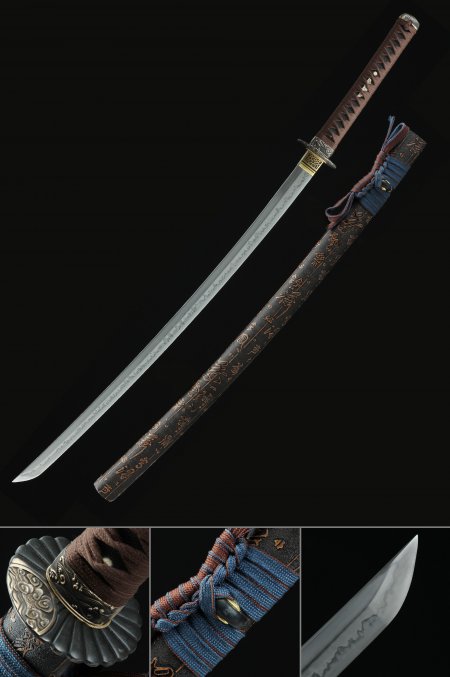
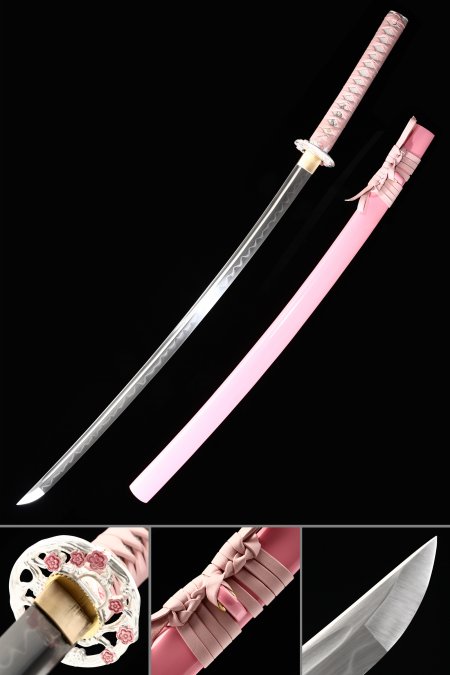
Folded steel construction involves repeatedly forge-welding the steel back upon itself - traditionally to remove slag inclusions from tamahagane - producing a layered grain pattern visible as a wood-grain surface texture called jihada. Some swords in this collection combine T10 steel with folded construction, delivering both the tungsten-enhanced wear resistance of T10 and the aesthetic surface character of folded layers. A non-folded T10 blade, by contrast, will have a cleaner, more uniform surface but equally strong metallurgical properties derived from the steel's inherent composition. For display collectors, the folded variant provides additional visual storytelling and craftsmanship detail, while the non-folded T10 presents a more classically refined polish - both are valid collecting directions depending on your display priorities.