How does clay tempering affect a T10 steel katana blade visually and structurally?

 Updated Mar 2026

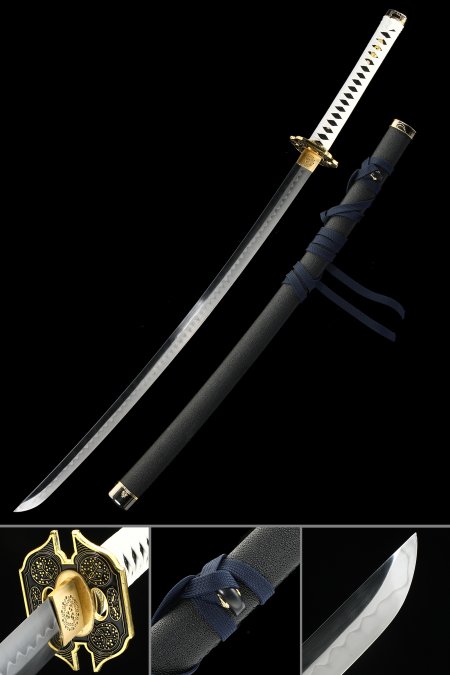
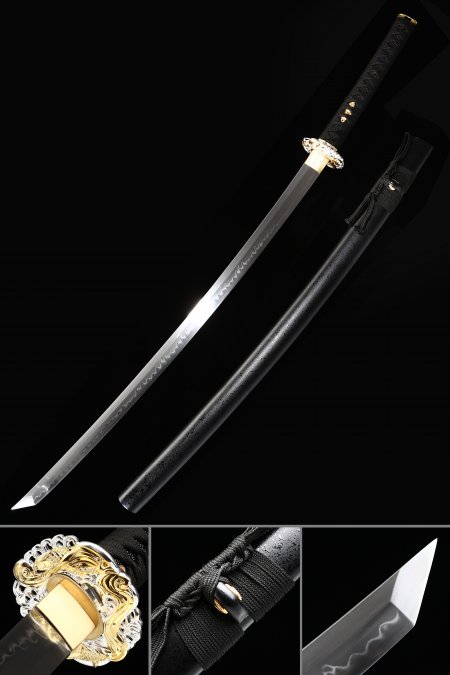
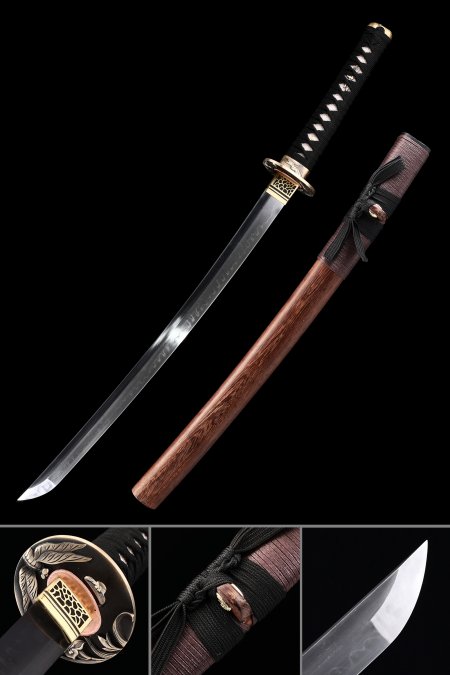
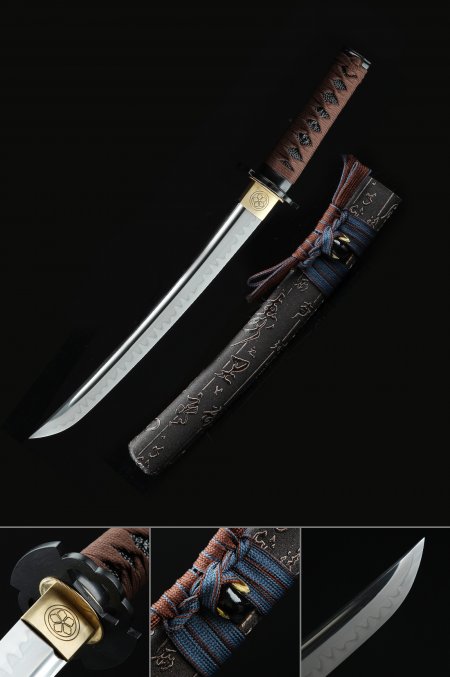
Clay tempering - known as tsuchioki in Japanese bladesmithing - involves applying a thick layer of refractory clay along the spine of the blade before the quenching step. The clay insulates the spine, allowing it to cool slowly and remain relatively soft, while the uncoated edge quenches rapidly into a hard martensitic structure. This differential cooling is what produces the hamon, the visible temper line running along the edge. On T10 tool steel, which contains trace tungsten for enhanced wear resistance, the hamon tends to appear sharp and well-defined under directional light. Structurally, this process creates a blade that is hard where cutting engagement occurs and resilient through the spine - the classic combination that defines quality hand-forged katana intended for display and appreciation.
Popular Products

15% OFFred katana
199.00 USD
229.00 USD
15% OFFtanto sword
149.00 USD
179.00 USD
20% OFFfull tang katana
319.00 USD
399.00 USD
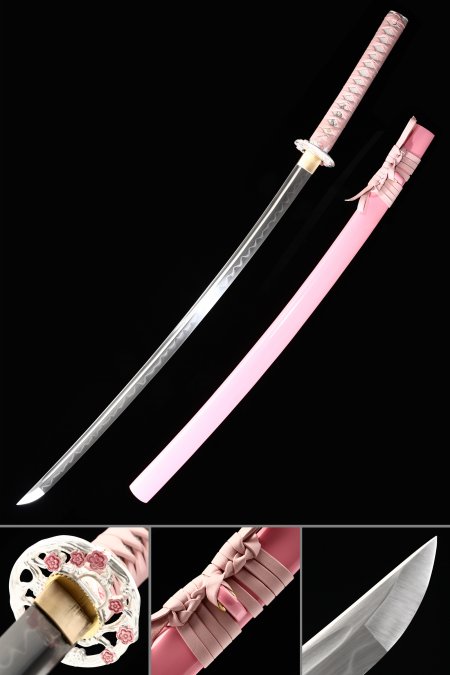
15% OFFpink katana
189.00 USD
219.00 USD
20% OFFchokuto sword
159.00 USD
199.00 USD
20% OFFshirasaya wakizashi
219.00 USD
269.00 USD
20% OFF
259.00 USD
329.00 USD
20% OFFblue katana
209.00 USD
259.00 USD
15% OFFshirasaya tanto
149.00 USD
179.00 USD
20% OFFjapanese katana
169.00 USD
209.00 USD
15% OFFjapanese katana
199.00 USD
239.00 USD
20% OFFwakizashi sword
219.00 USD
279.00 USD
15% OFFred katana
199.00 USD
229.00 USD
15% OFFtanto sword
149.00 USD
179.00 USD
20% OFFfull tang katana
319.00 USD
399.00 USD
15% OFFpink katana
189.00 USD
219.00 USD
20% OFFchokuto sword
159.00 USD
199.00 USD
20% OFFshirasaya wakizashi
219.00 USD
269.00 USD
20% OFF
259.00 USD
329.00 USD
20% OFFblue katana
209.00 USD
259.00 USD
15% OFFshirasaya tanto
149.00 USD
179.00 USD
20% OFFjapanese katana
169.00 USD
209.00 USD
15% OFFjapanese katana
199.00 USD
239.00 USD
20% OFFwakizashi sword
219.00 USD
279.00 USD

Explore Our Collections