FAST SHIP
252 Reviews
ON SALE 15% OFF
$139.00$169.00

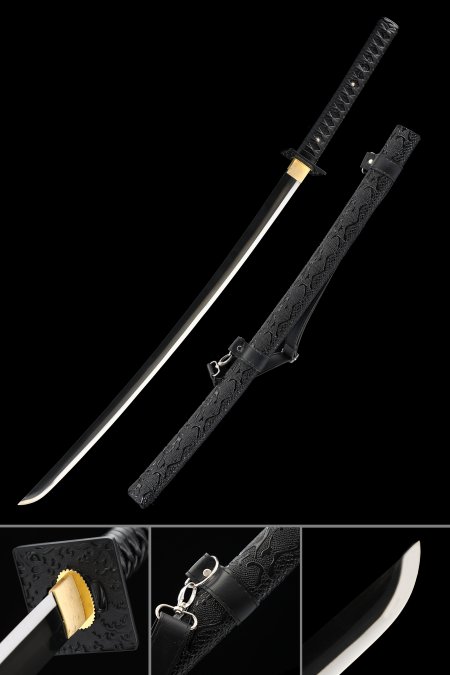
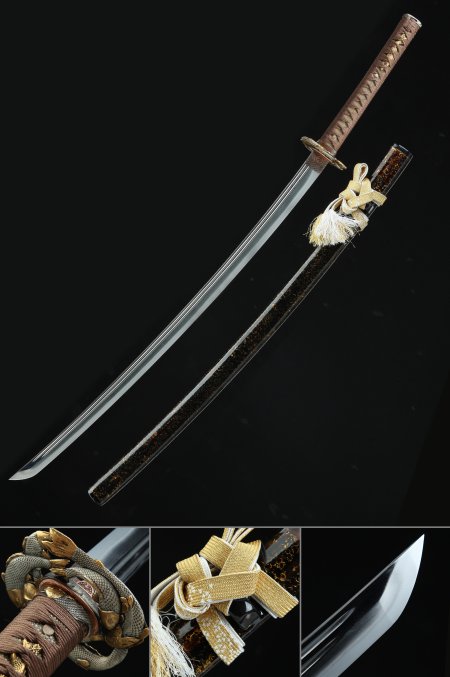
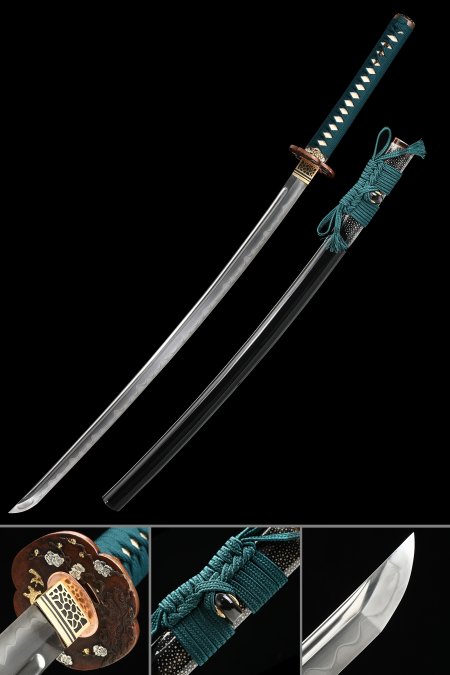
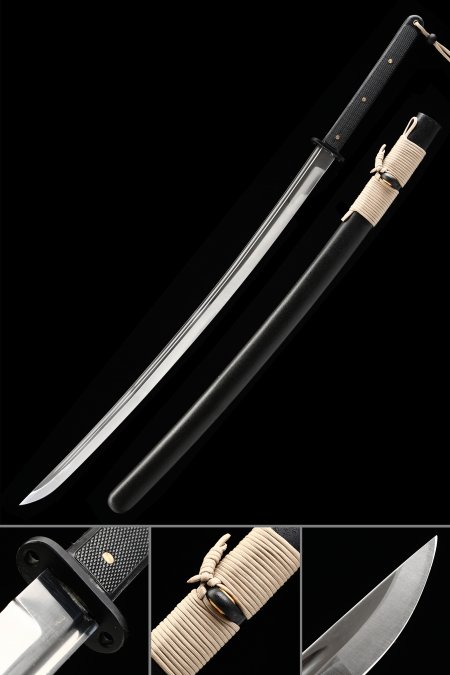
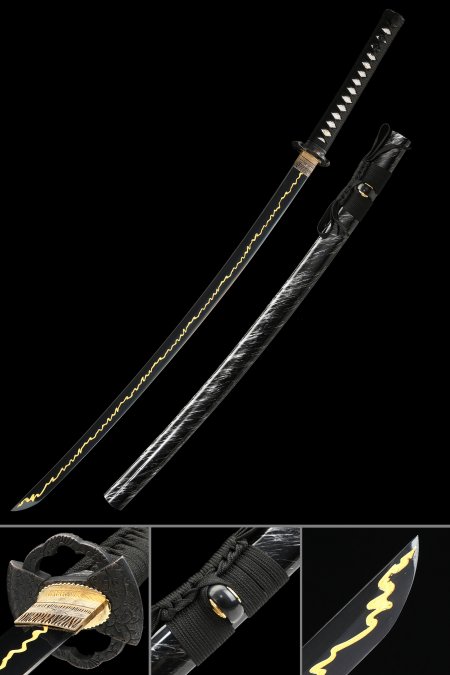
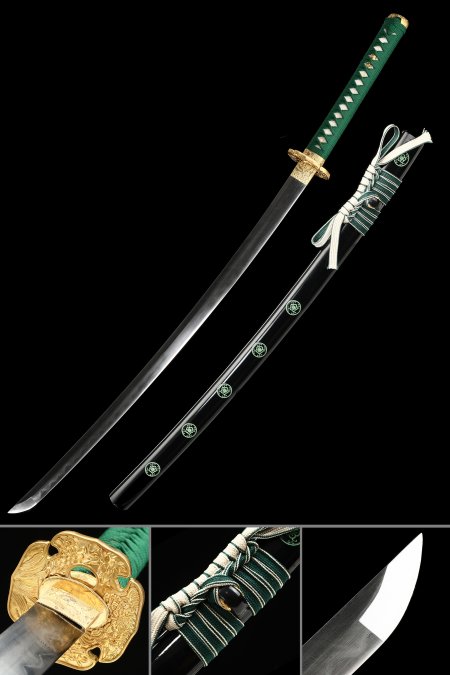
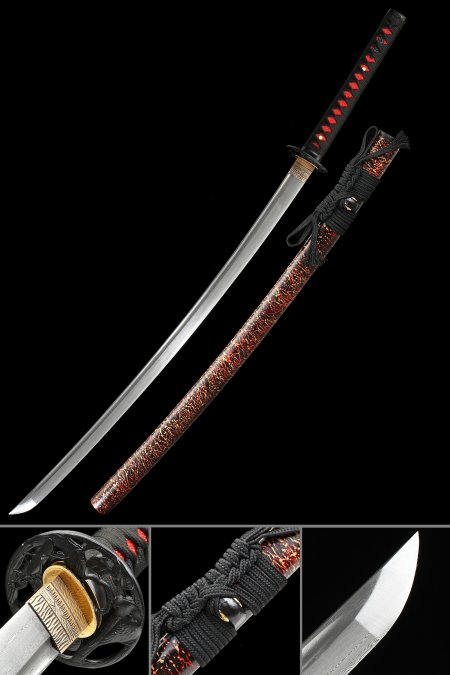
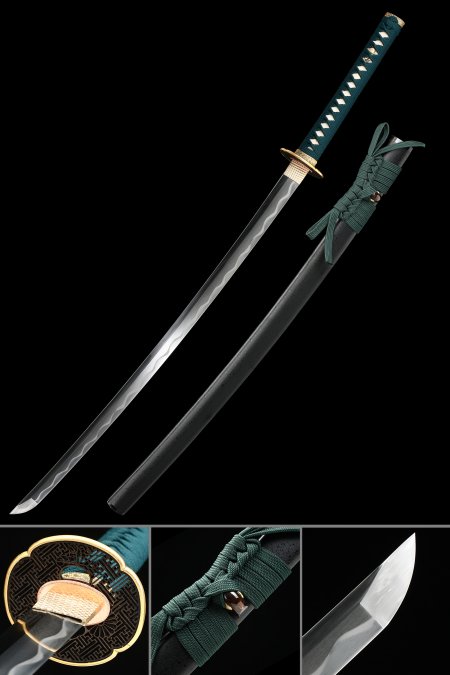
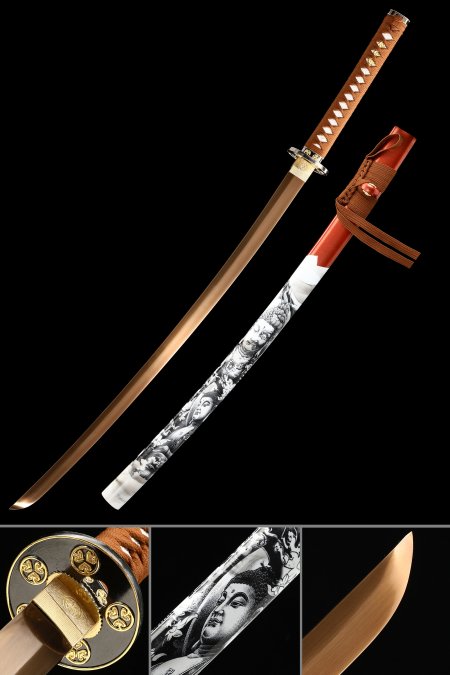
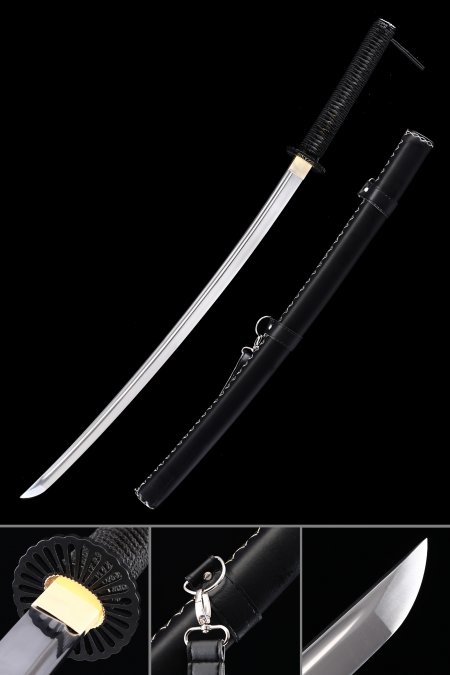
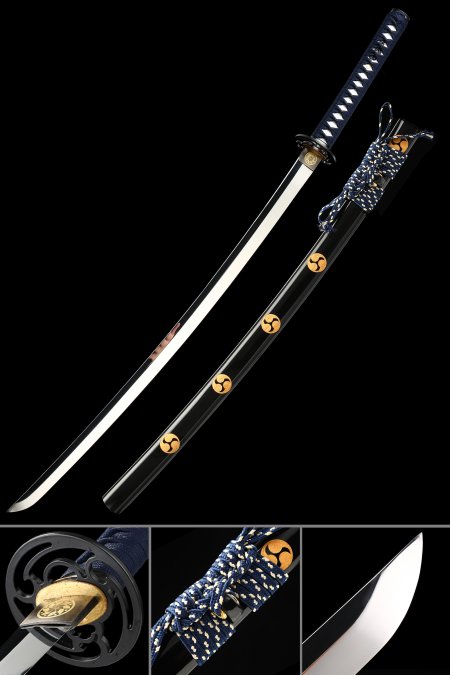
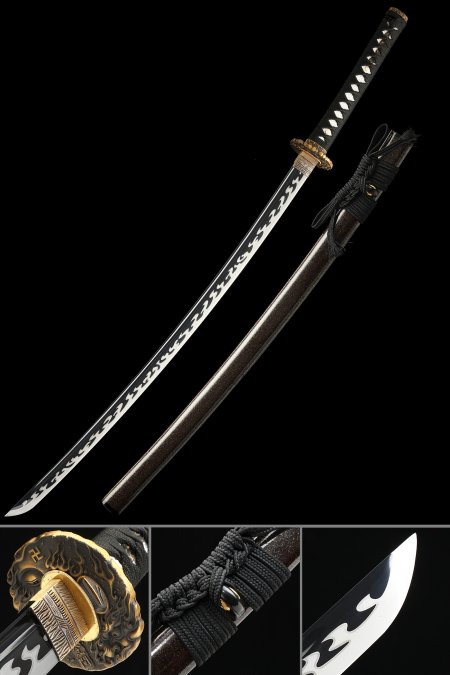
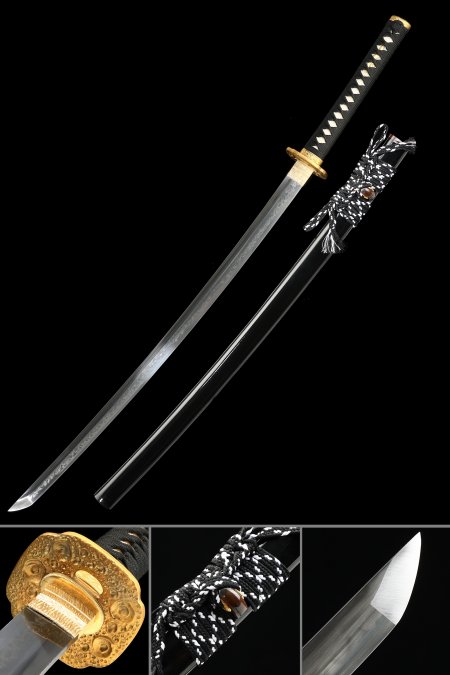
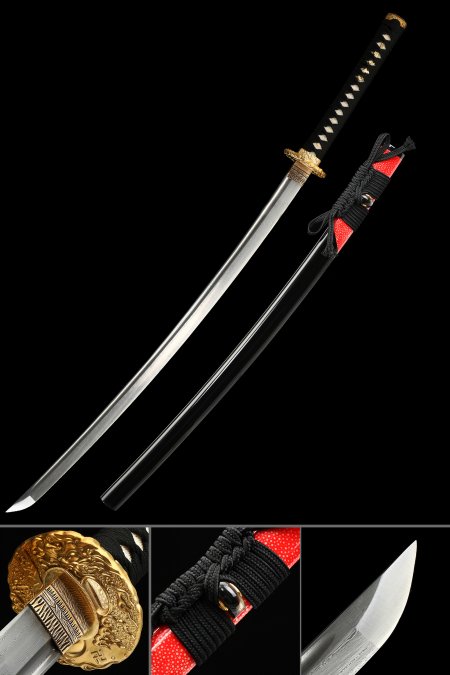
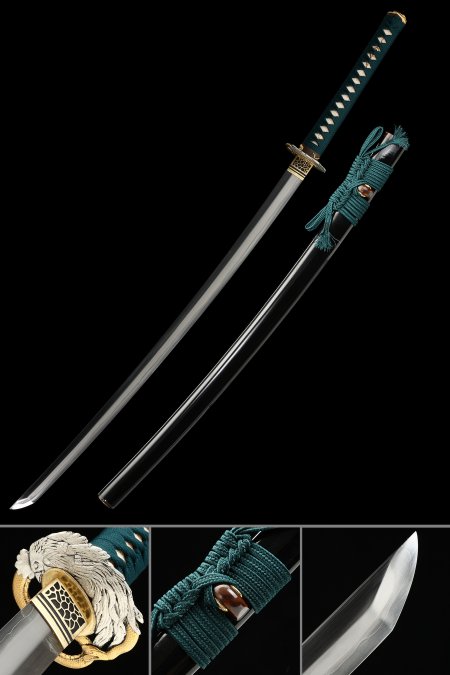
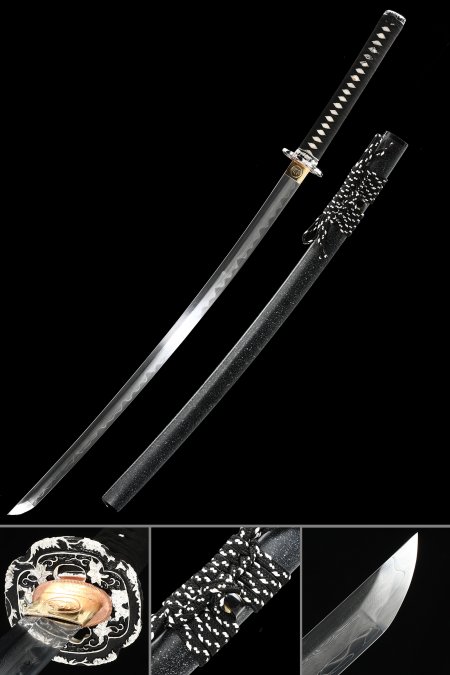
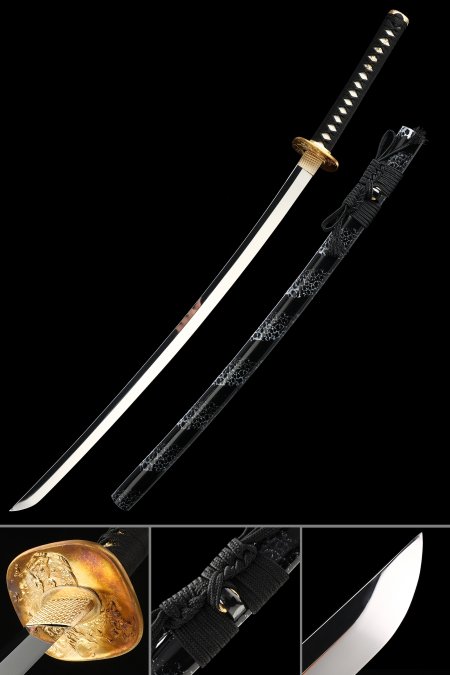
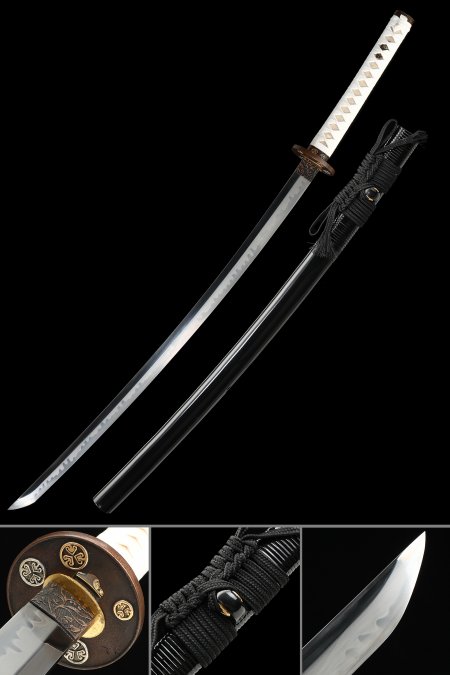
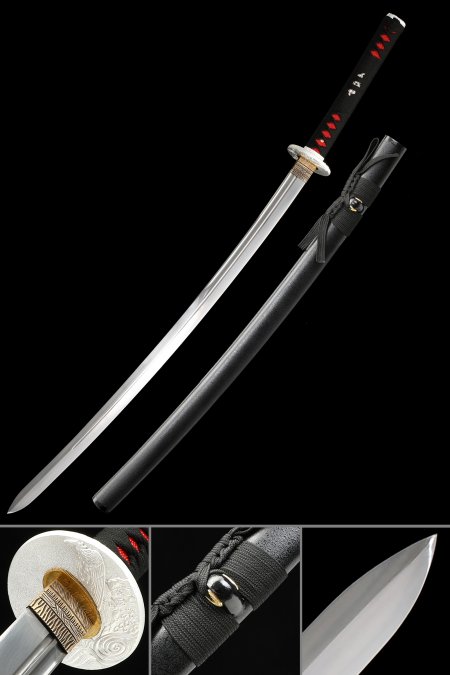
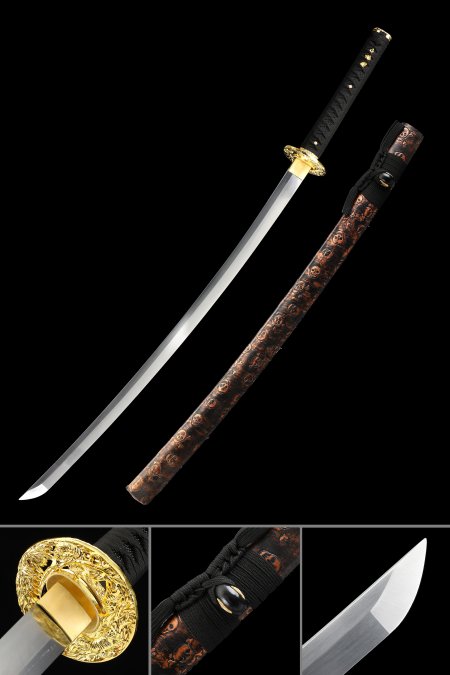
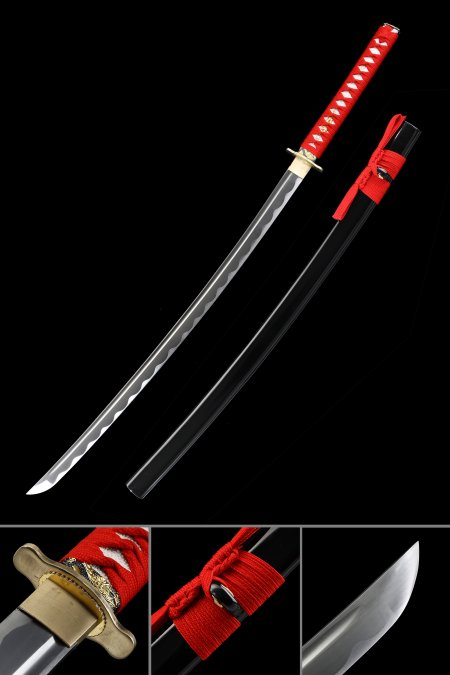
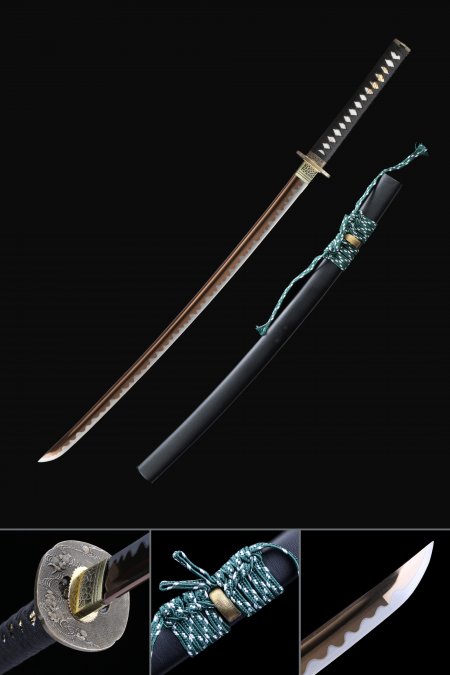
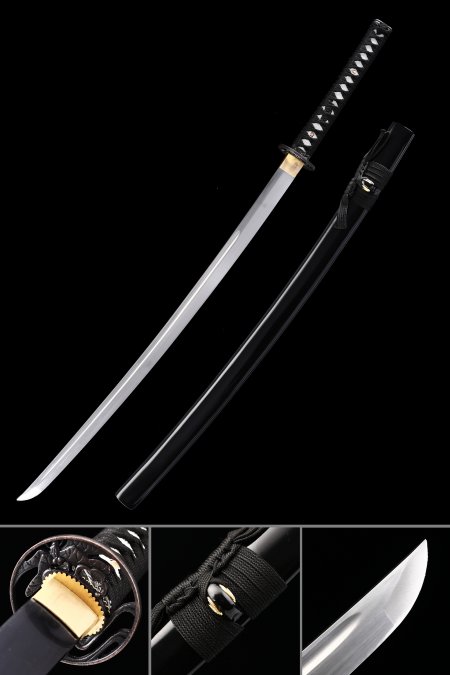
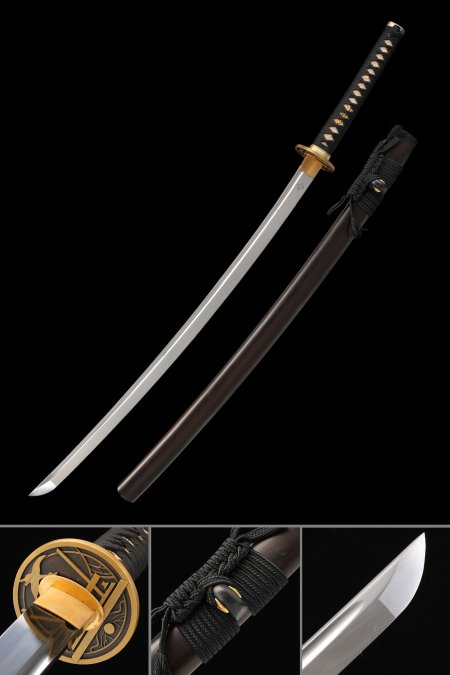
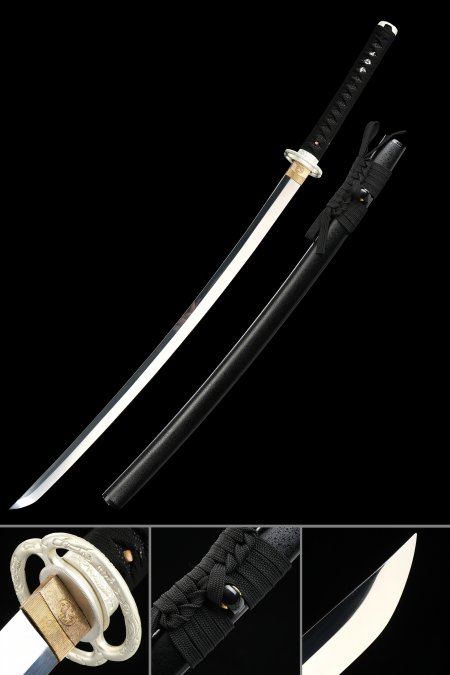
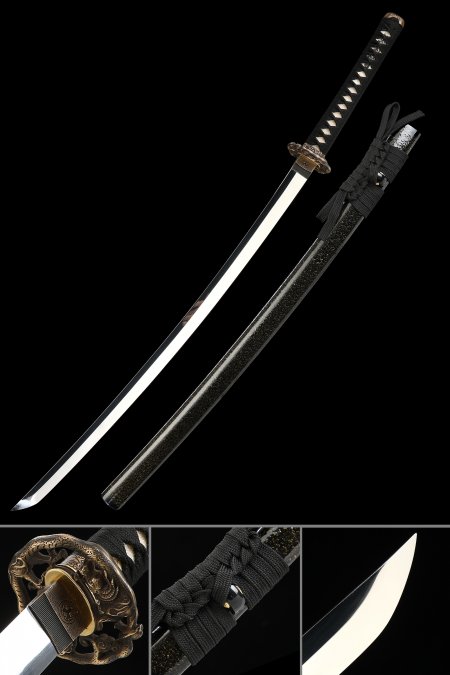
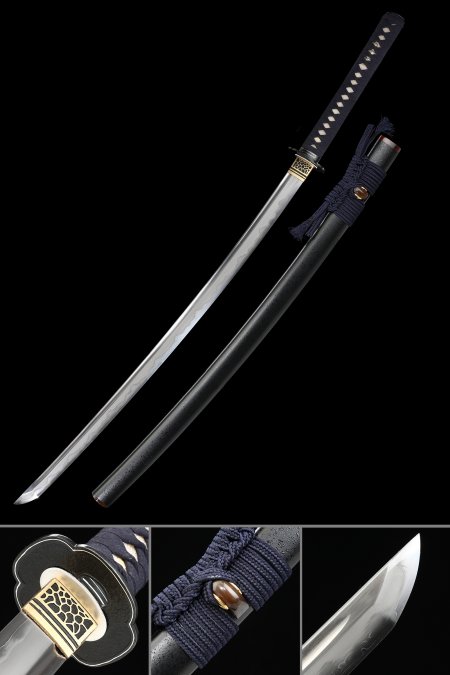
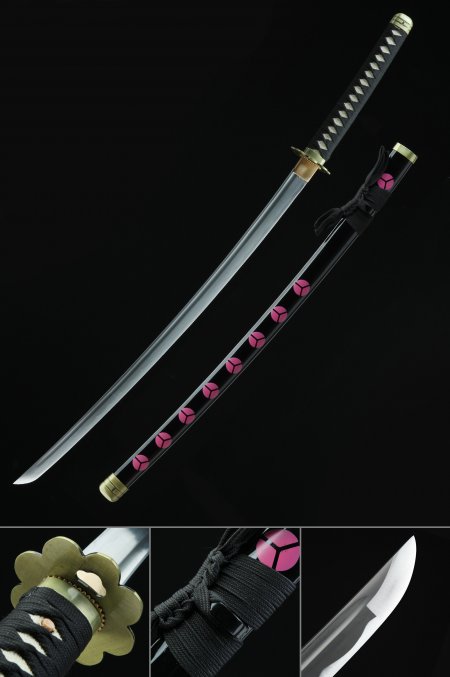
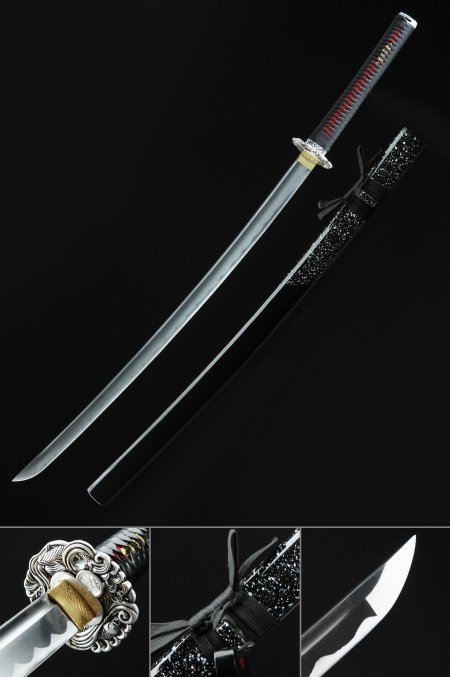
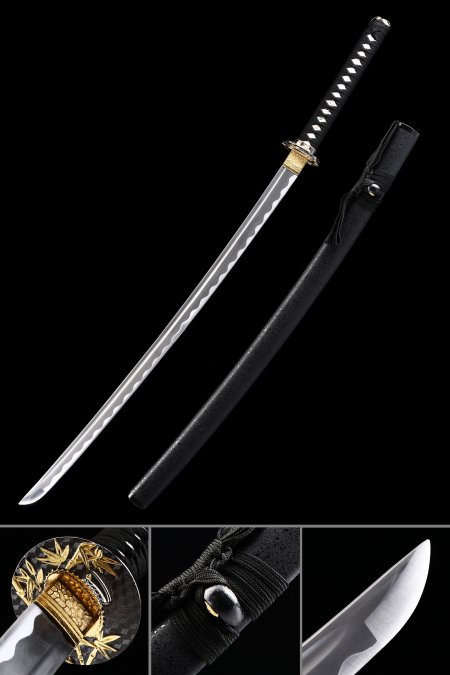
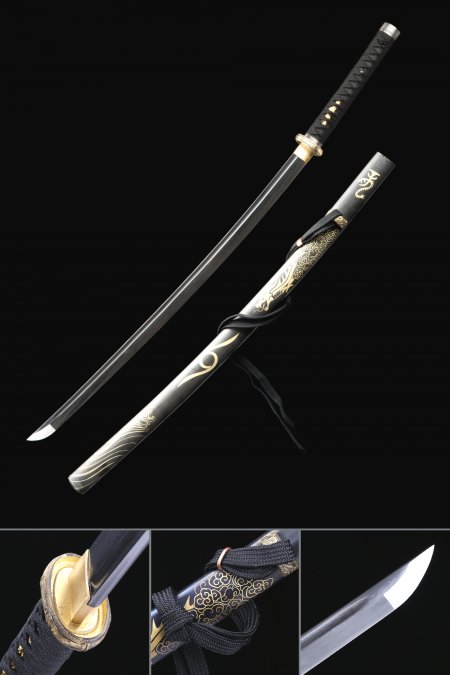
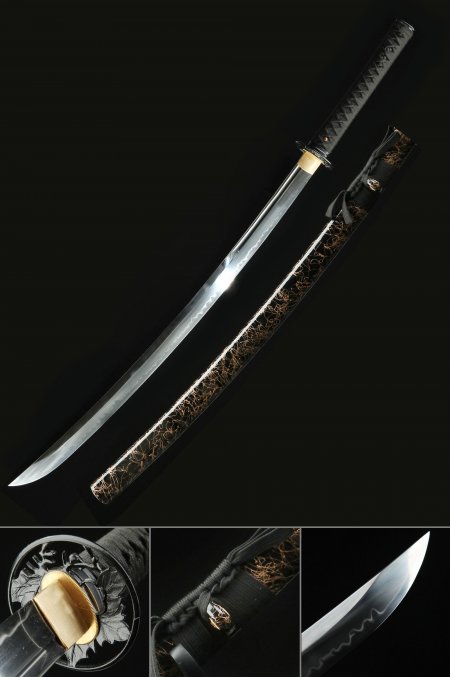
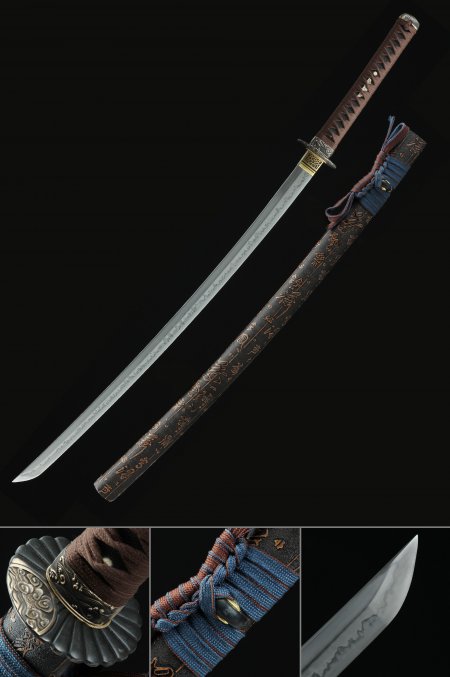
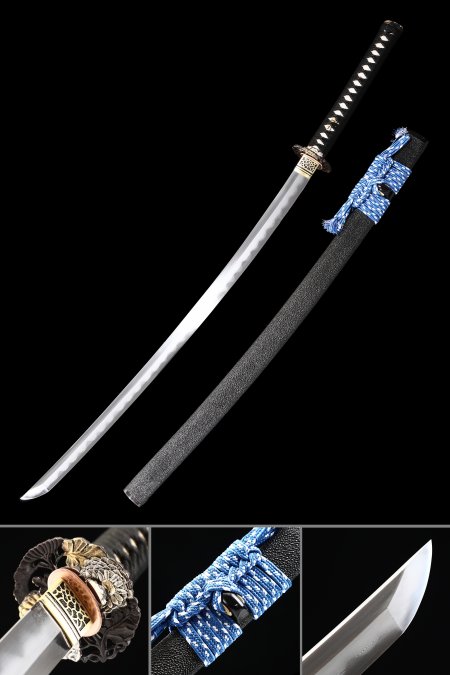
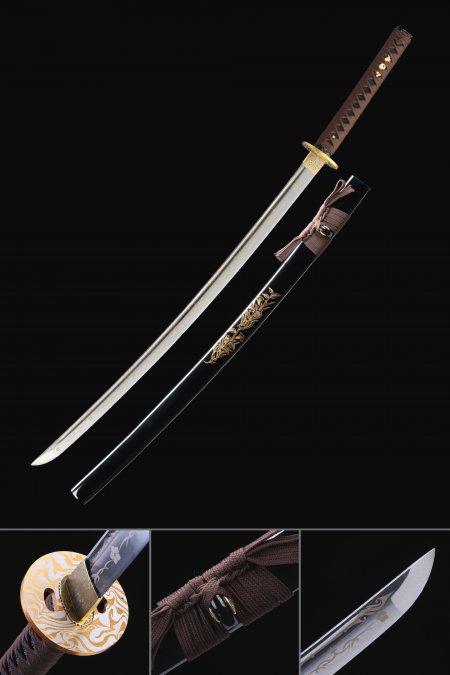
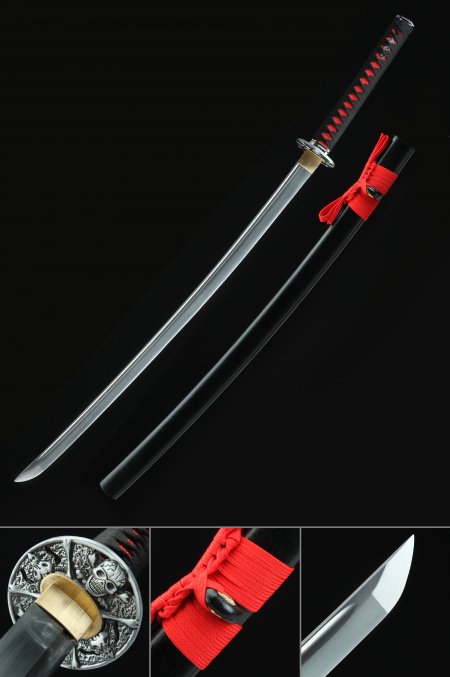
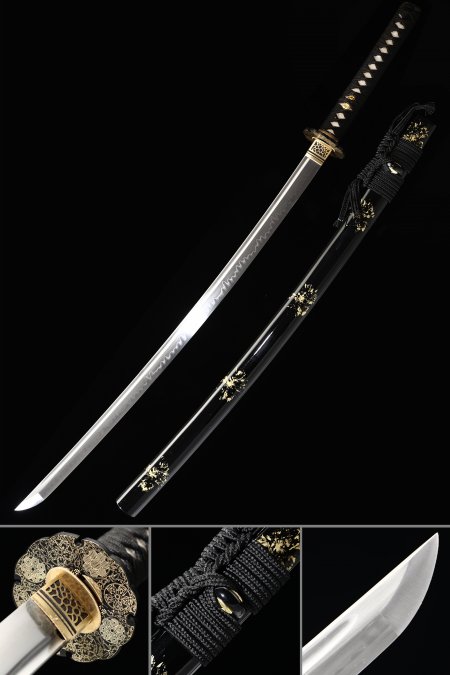
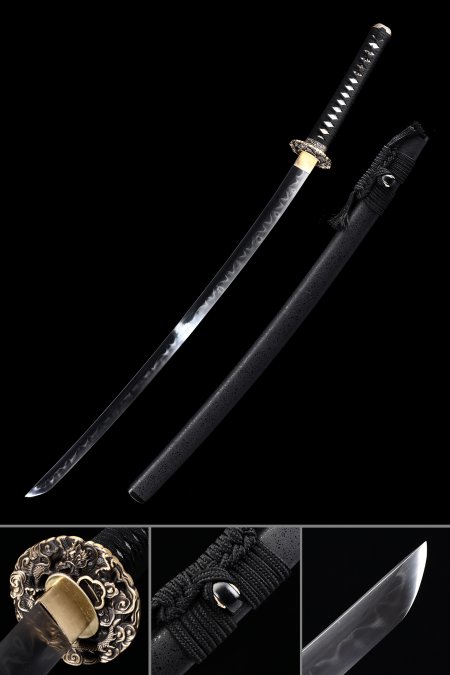
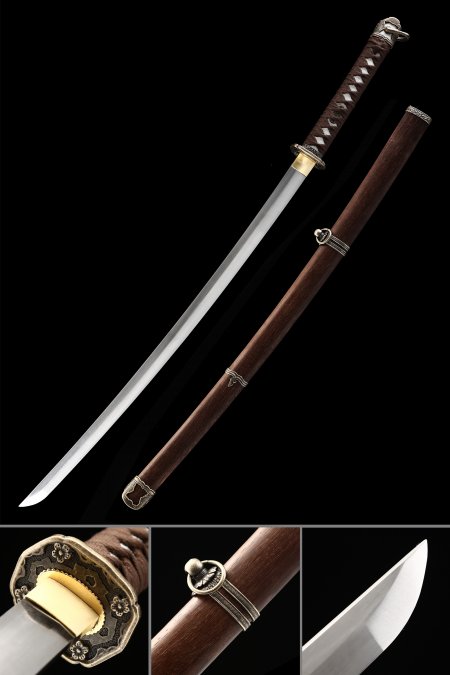
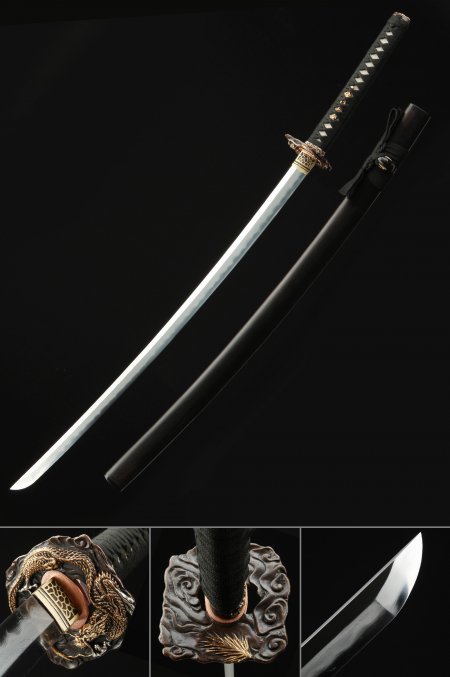
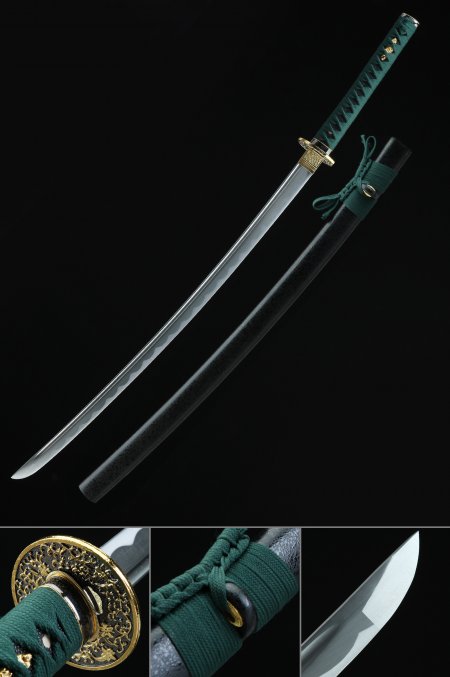
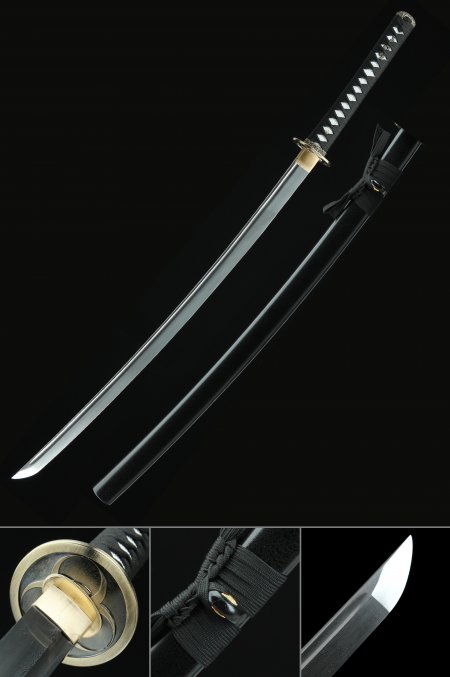
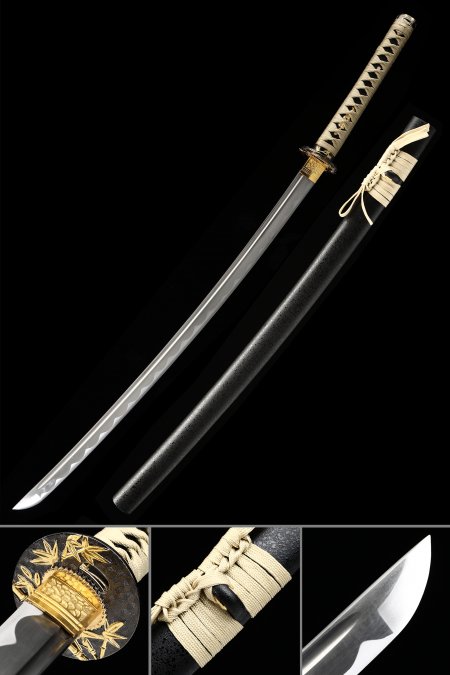
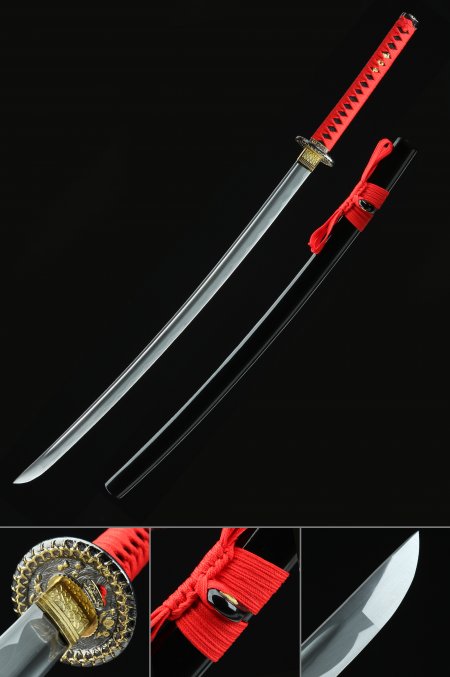
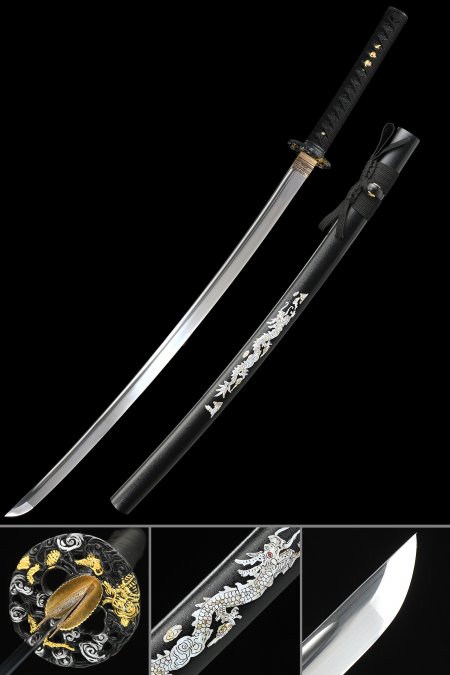
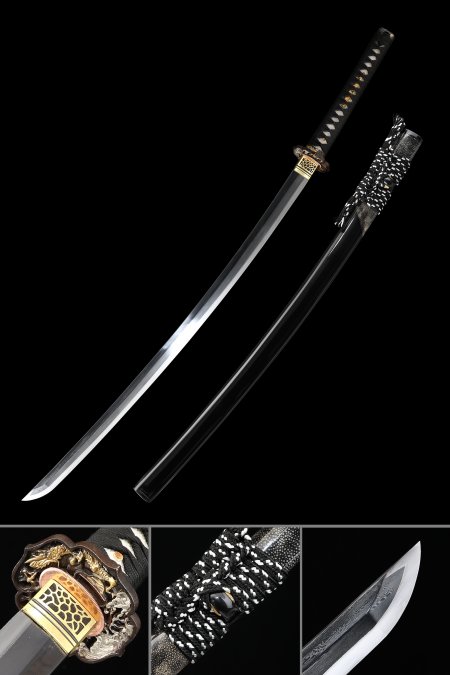
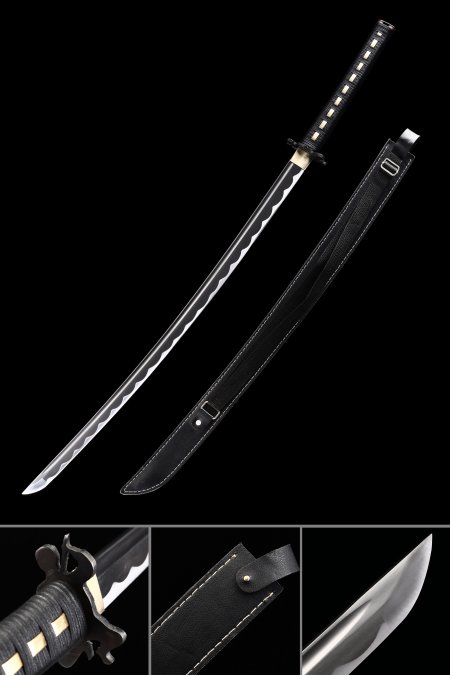
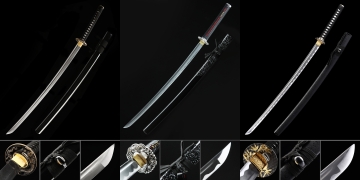
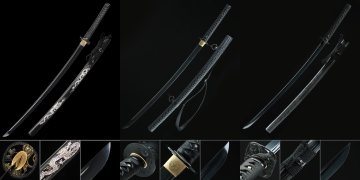
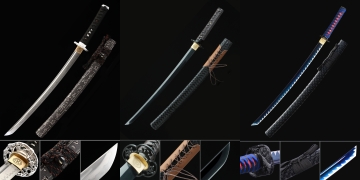
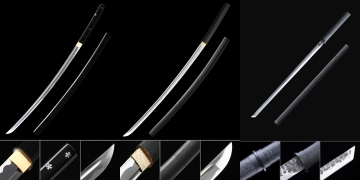
Black and brown katana swords bring together two of the most enduring tones in traditional Japanese sword aesthetics - the depth of lacquered black and the warmth of natural brown - resulting in pieces that reward close attention from any serious collector. From clay-tempered T10 blades displaying genuine hamon activity to Damascus steel with its characteristic folded grain, every sword in this collection is built full-tang and finished with hand-wrapped ito, ornate tsuba, and hardwood saya. Enjoy free standard shipping on your order, plus a straightforward return policy so you can collect with confidence.
My kids are jealous! It's so beautiful and I will display it better soon.
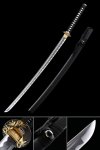 |
1045 Carbon Steel Katana Sword with Gold Bamboo Tsuba in Black Matte Hardwood Saya - Full Tang Collectible |
Thank you so much for the delivery. The sword is very beautiful, powerful, and the sharpening is excellent (it cuts through a sheet of paper). Special thanks for the delivery.
|
1045 Carbon Steel Katana Sword with Gold Bamboo Tsuba in Black Matte Hardwood Saya - Full Tang Collectible |
Beautiful craftsmanship, my fiancé loved his sword would definitely buy again
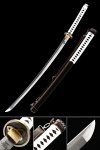 |
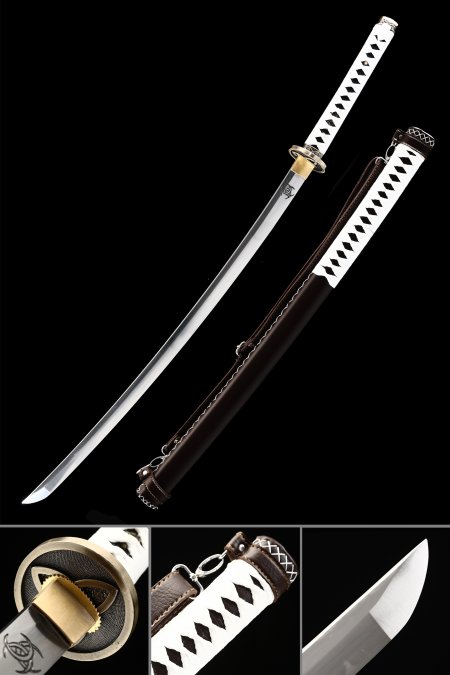
Michonne Inspired Katana - The Walking Dead Replica, 1090 Carbon Steel, Brown Leather Saya |
I gave it as a gift and was very happy with the quality of the sword. They were also very happy when they saw the katana they had wanted for a long time.
|
1045 Carbon Steel Katana Sword with Gold Bamboo Tsuba in Black Matte Hardwood Saya - Full Tang Collectible |
Nice presentation in box, beautiful sword. Willr
Order another
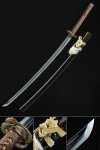 |
Tamahagane Steel Katana with Koi Tsuba in Brown Samegawa - Gold-Gilded Koshirae |
The item arrived well packaged and in a timely manner. I am pleased with this item but have made several minor alterations to improve appearance. the price was not too bad. I would buy again from this company if I found an item I liked and was priced right
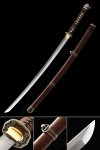 |
WWII Type 98 Shin Gunto Officer Katana - 1065 Carbon Steel with Brown Rosewood Saya and Alloy Flower Tsuba |
Sword looks beautiful but did come with a couple rusty spots. They offered a little discount and that made me happier. The sword was sharp but not as sharp as I thought it would be from the reviews and description according to the page. Overall still a beautiful sword that looks well made!
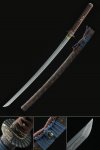 |
Clay Tempered T10 Steel Katana with Real Hamon - Brown Ito Wrap, Kanji Engraved Saya in Gold Gilding Tsuba |
Apsolutly love it.r
r
4 star because the blade is a bit damadged at the top…
|
1045 Carbon Steel Katana Sword with Gold Bamboo Tsuba in Black Matte Hardwood Saya - Full Tang Collectible |