How does a Damascus tanto differ from a standard high-carbon tanto?
Updated Mar 2026
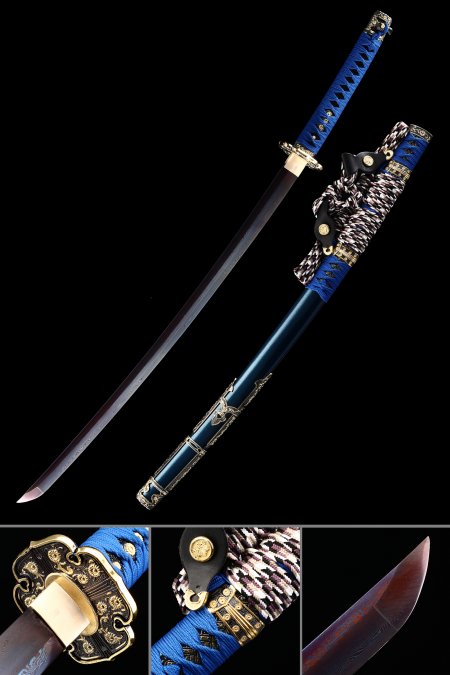
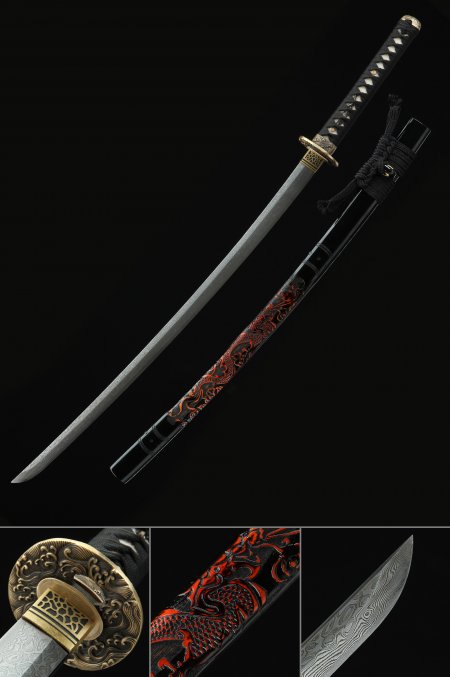
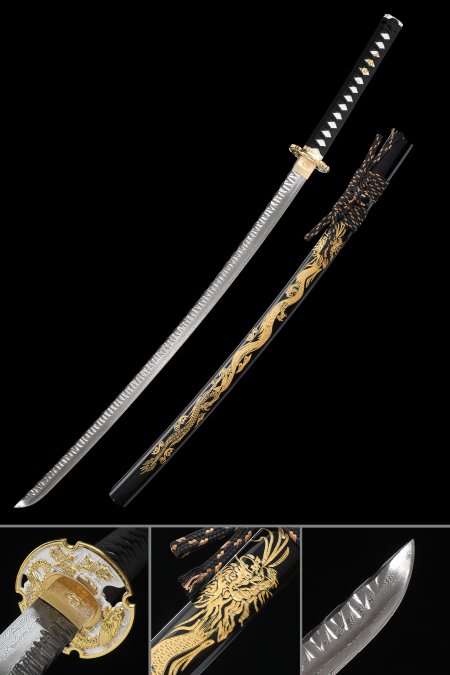
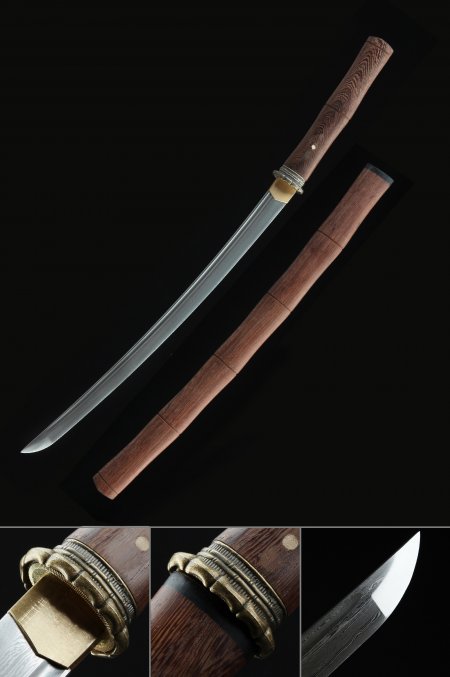
A standard high-carbon tanto — typically forged from a single steel type such as 1045, 1060, or 1095 — offers consistent, predictable metallurgical properties throughout the blade. It is straightforward to heat-treat and grind, and quality examples perform reliably. A Damascus tanto, by contrast, is made from a composite billet of layered steels, which introduces a more complex forging process and a visually distinctive result. The primary difference a collector notices is aesthetic: the Damascus surface pattern is irreplaceable and individual. From a structural standpoint, well-made Damascus billets — properly forge-welded without cold shuts or delamination — are structurally sound and hold a good edge. For display-focused collectors, the layered visual complexity of Damascus steel is the defining distinction, turning the blade itself into the primary decorative element rather than relying solely on fittings or saya color.