How is the flame pattern on the blade actually created?
Updated Mar 2026
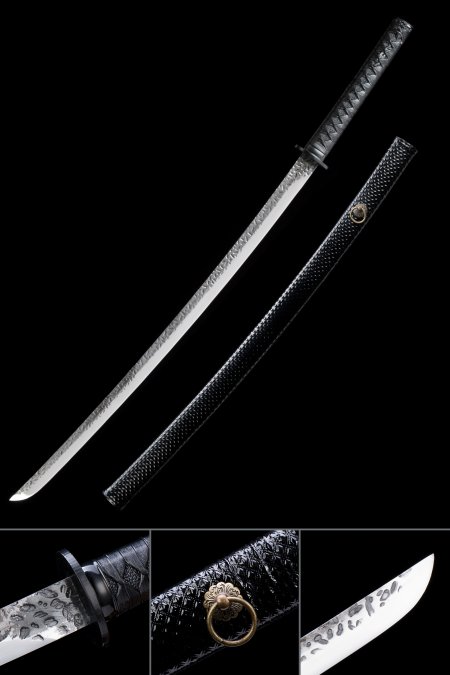
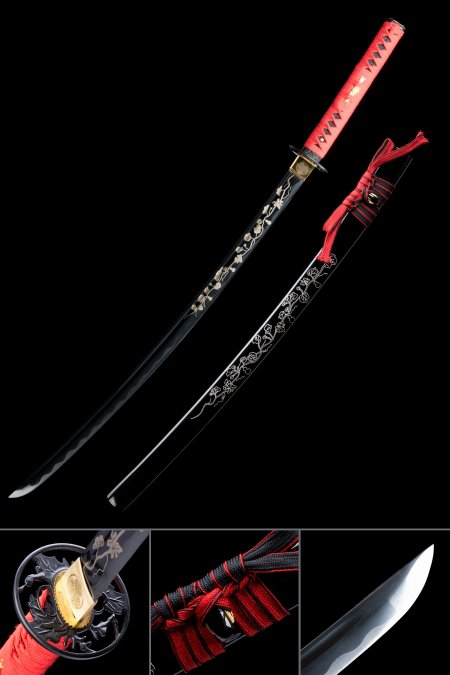
The flame effect is produced through clay tempering, a traditional process where a mixture of clay and ash is applied along the blade's spine before the steel is heated and quenched in water or oil. Because the clay-coated spine cools more slowly than the exposed edge, the two zones develop different crystalline grain structures. The visible boundary between these zones - called the hamon - takes on a wave or flame shape depending on how the clay was applied. On high manganese steel, the contrast between the hardened edge and the softer spine is especially sharp and legible, which is why these pieces display so effectively. No two hamon lines are identical, giving each blade a genuinely unique surface character.