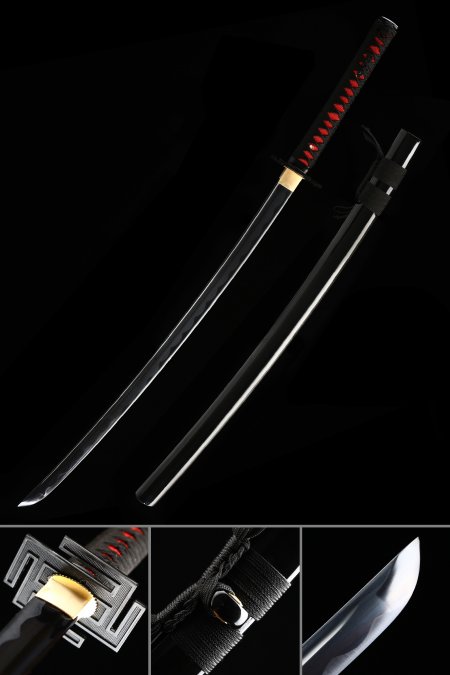
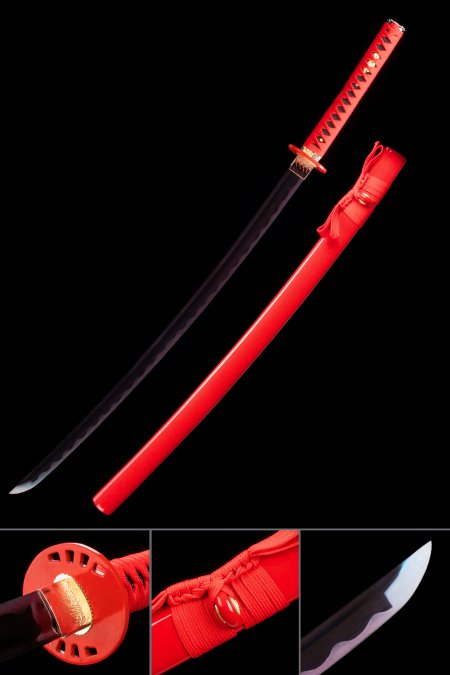
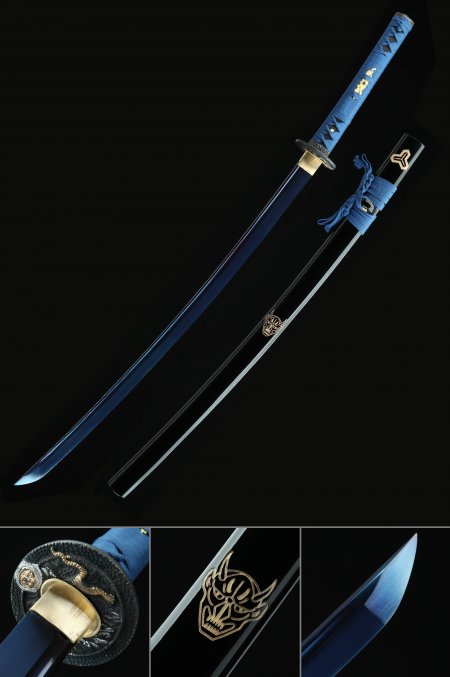
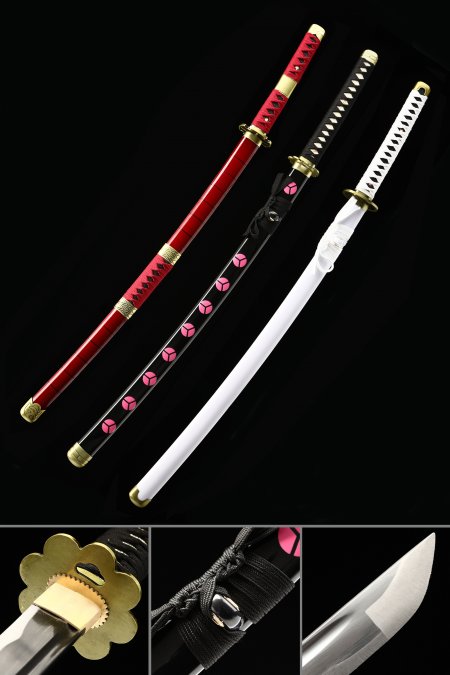
How does a tachi differ from a katana in terms of design?
Updated Mar 2026
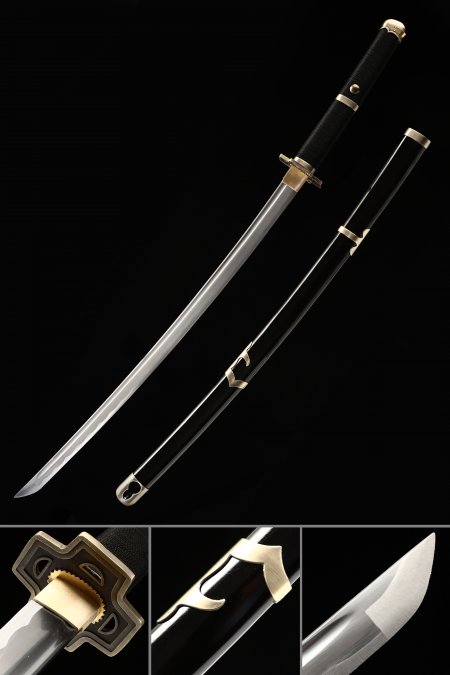
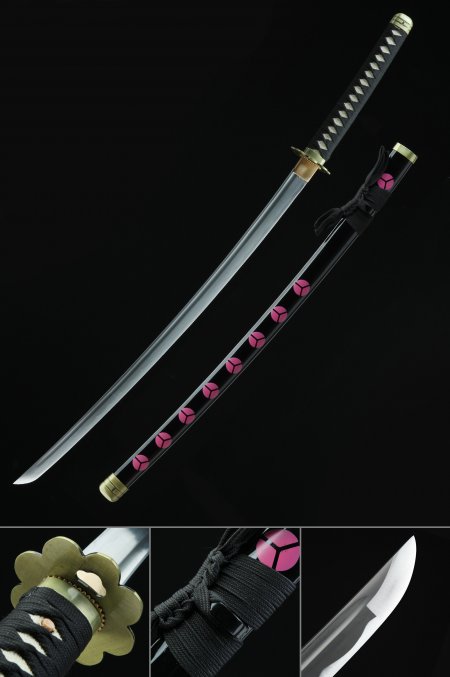
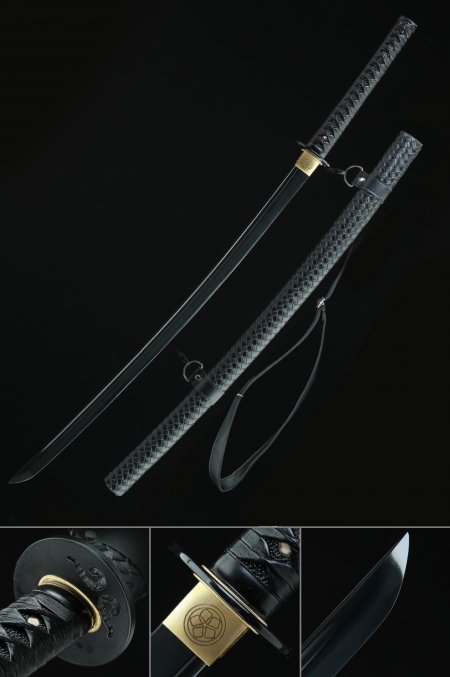
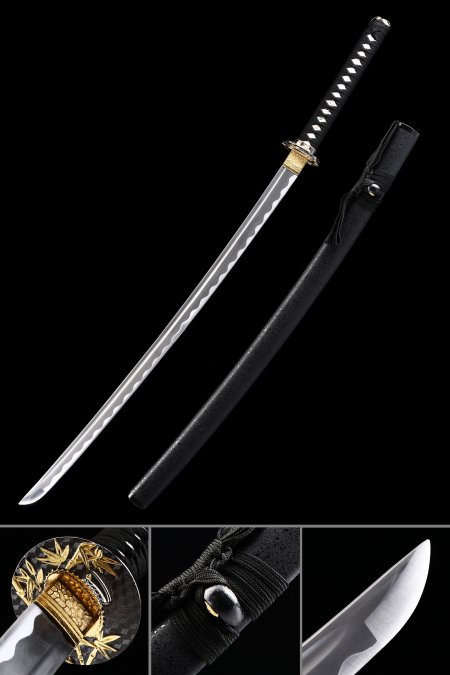
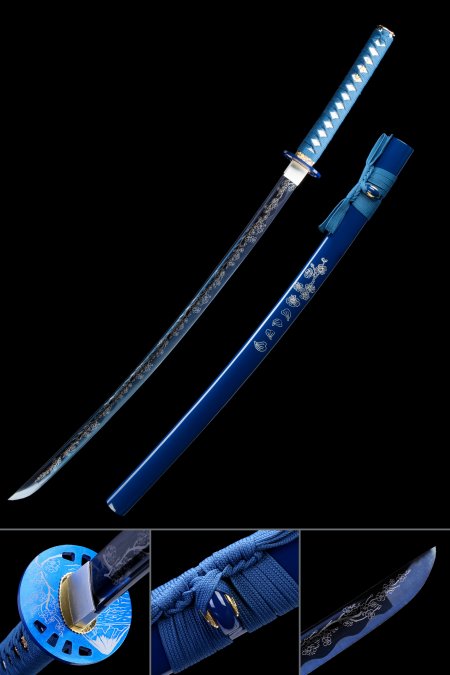
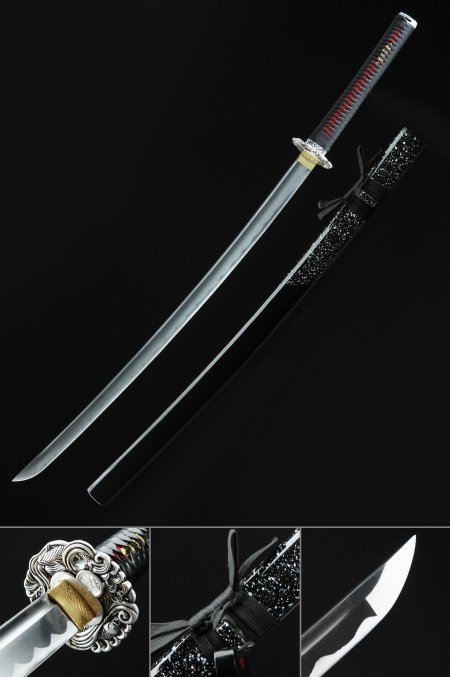
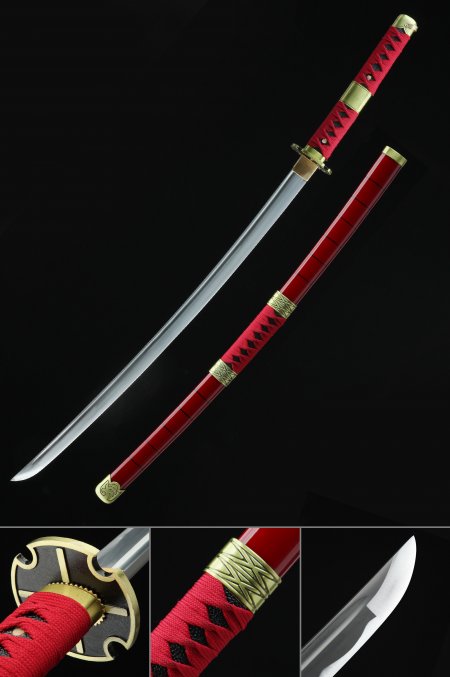
The primary structural differences come down to curvature, length, and the intended mounting orientation. Tachi were historically worn edge-down suspended from the belt by cords attached to the saya, which required a deeper and more pronounced curve (sori) to ensure the edge faced the correct direction when drawing. Katana, by contrast, are thrust through the belt edge-up, and their curvature is generally shallower and positioned closer to the handle. Tachi also tend to be longer overall, often exceeding 70 cm in blade length, giving them a sweeping visual profile that collectors find architecturally striking on a wall display. For display purposes, these differences make the tachi format distinctly imposing—the deeper curve and longer blade create a silhouette that reads clearly even from across a room.