How a sword is forged?
Forging a sword is a complex and multi-step process that involves shaping, heat treatment, and finishing. Here is a general overview of the steps involved in forging a sword:
- Design and Planning: The swordsmith begins by determining the design, dimensions, and specifications of the sword, considering factors such as blade length, shape, and hilt design. This stage also involves selecting the appropriate type of steel for the sword.
- Preparing the Steel: The chosen steel is heated in a forge to make it malleable for shaping. This process is known as heating the steel to the forging temperature, typically in the range of 1,200 to 1,300 degrees Celsius (2,192 to 2,372 degrees Fahrenheit).
- Shaping the Blade: The heated steel is placed on an anvil, and the swordsmith uses hammers and various forging tools to shape the blade. The steel is repeatedly hammered and manipulated to achieve the desired blade profile, including the curvature, thickness, and taper.
- Fullering and Tapering: Fullering is the process of creating a fuller, which is a groove or channel along the length of the blade. Fullering reduces weight while maintaining blade strength. Tapering involves gradually reducing the thickness of the blade from the base to the tip.
- Heat Treatment (Tempering): After the rough shaping, the blade is heat-treated to enhance its hardness, strength, and flexibility. This involves heating the blade to a critical temperature and then rapidly cooling it, followed by tempering to relieve internal stresses and improve the blade's toughness.
- Grinding and Polishing: The blade is carefully ground and polished to remove any surface imperfections and achieve a smooth and reflective finish. This process involves using grinding wheels, sandpaper, and polishing compounds.
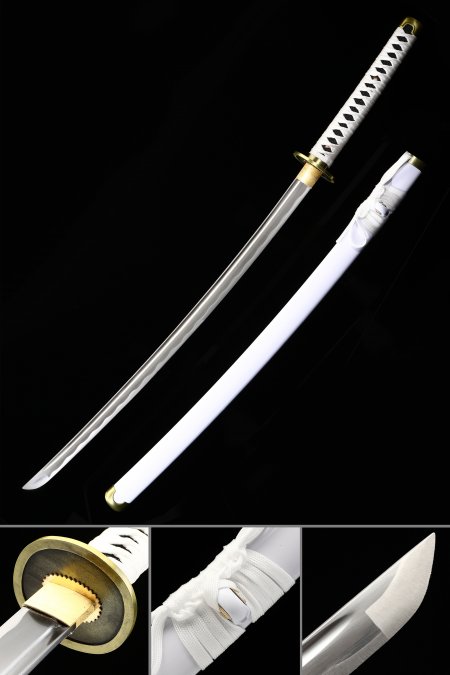
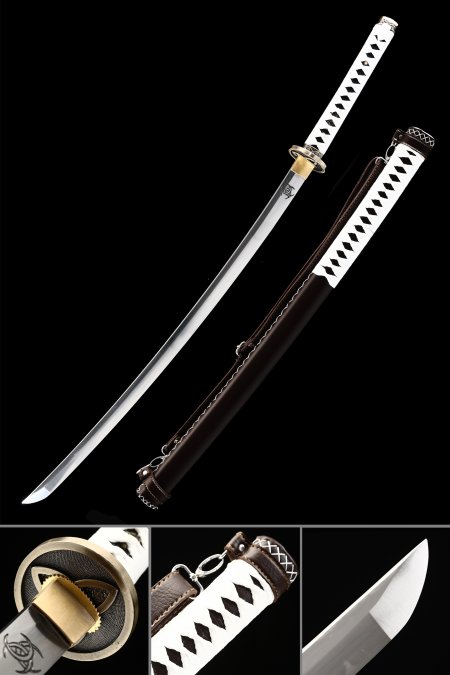
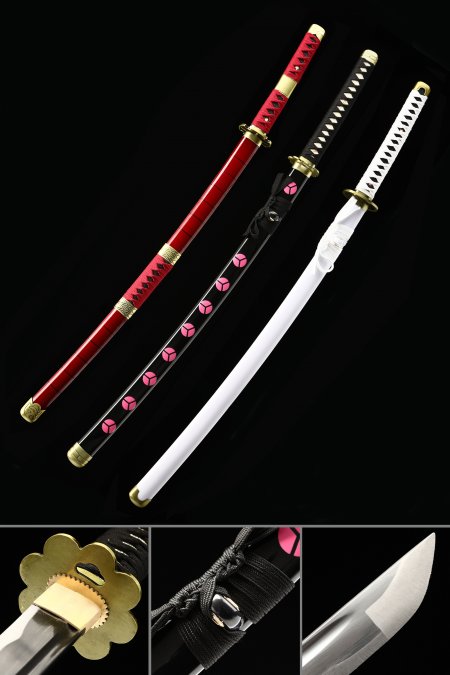
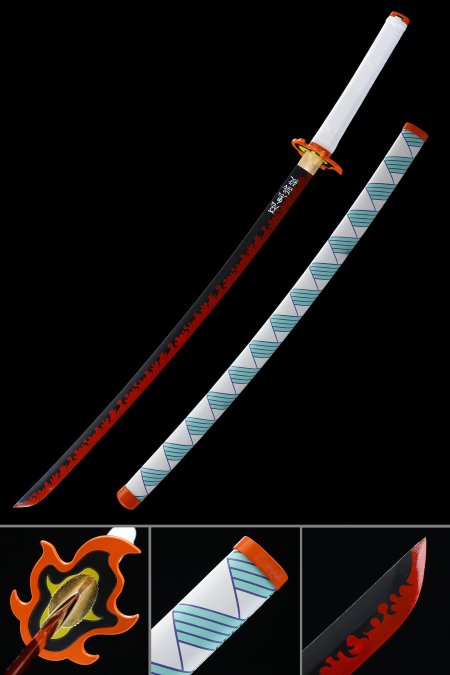
- Fitting the Hilt: The hilt, including the guard (tsuba) and handle (tsuka), is fitted to the blade. The hilt components may be made from various materials such as wood, metal, or synthetic materials. The tang of the blade is secured within the hilt using a combination of adhesive, pins, and wrapping techniques.
- Final Assembly and Finishing: The sword is assembled by attaching the hilt components securely. The blade and hilt are inspected, and any necessary adjustments or finishing touches are made, such as sharpening the blade, adding decorative elements, or applying protective coatings.
The forging process described above is a simplified overview, and the specific techniques and methods can vary depending on the sword type, cultural traditions, and the experience of the swordsmith. Crafting a high-quality sword requires considerable skill, experience, and knowledge of metallurgy and blade geometry to ensure the final product meets the desired specifications and performance characteristics.