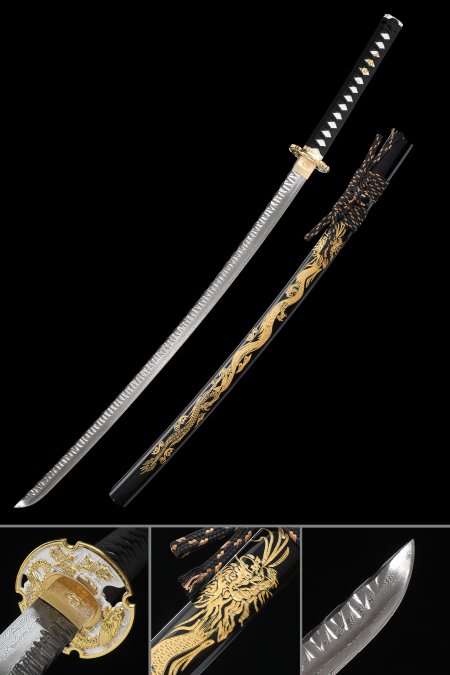
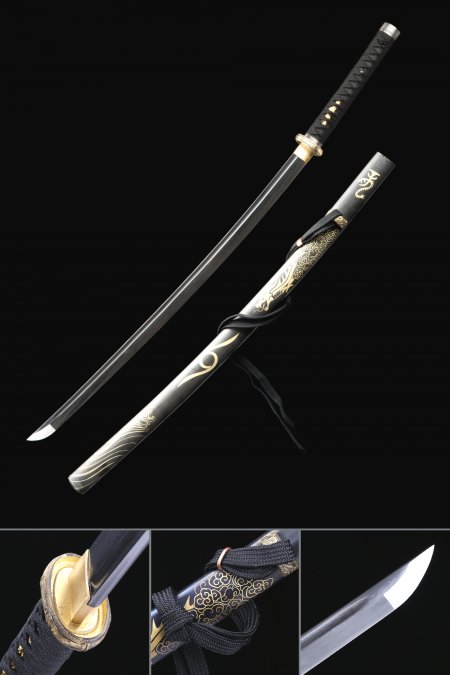
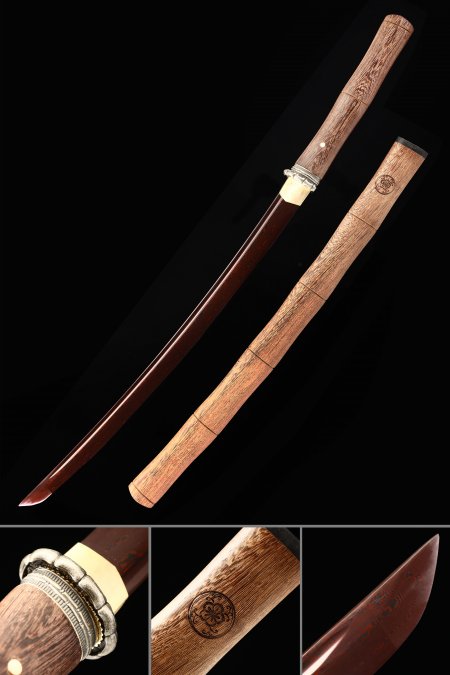
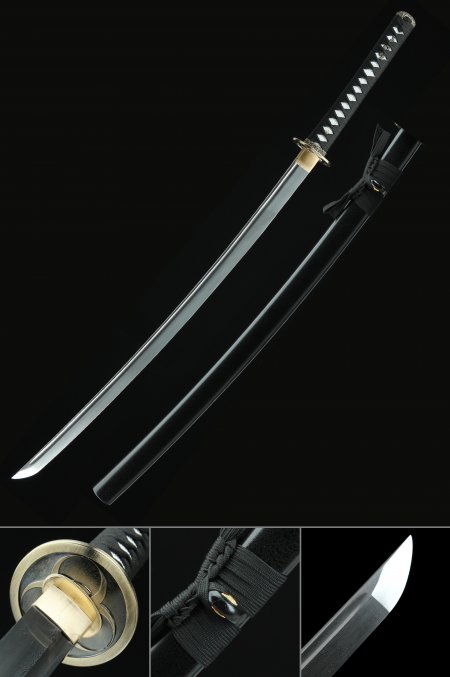
How does a Damascus steel sword compare to a T10 carbon steel sword in collecting terms?
Updated Feb 2026
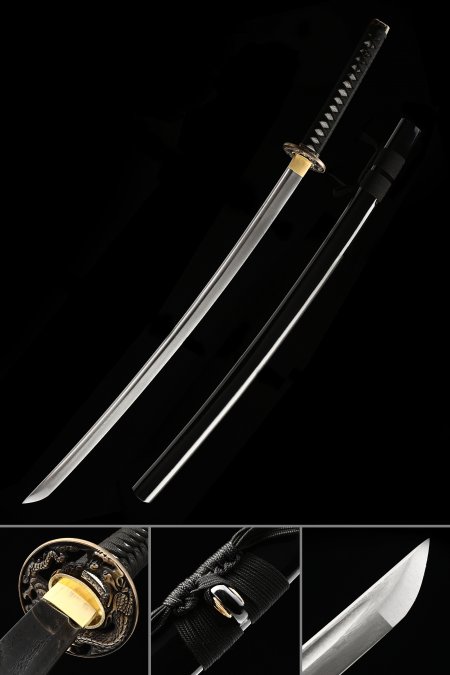
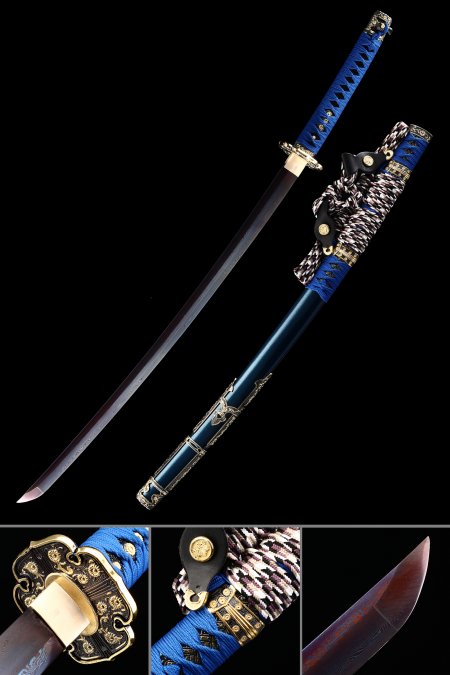
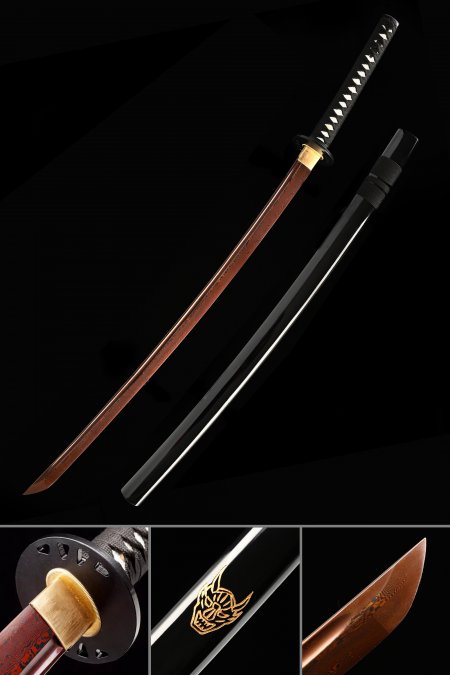
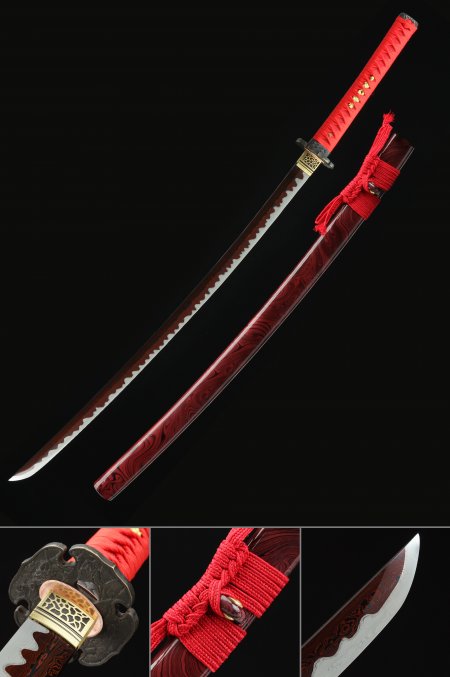
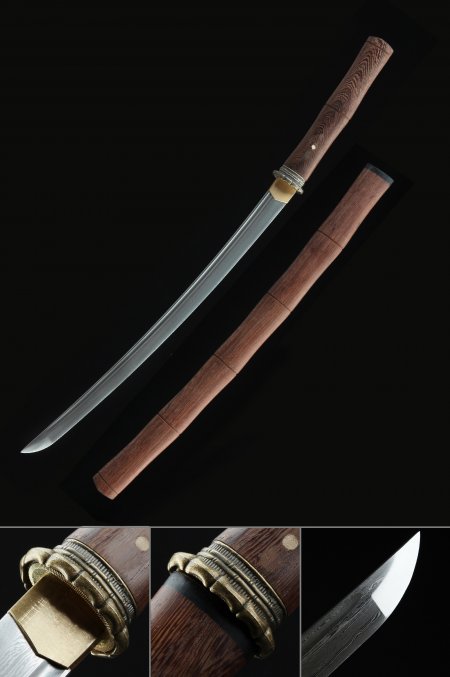
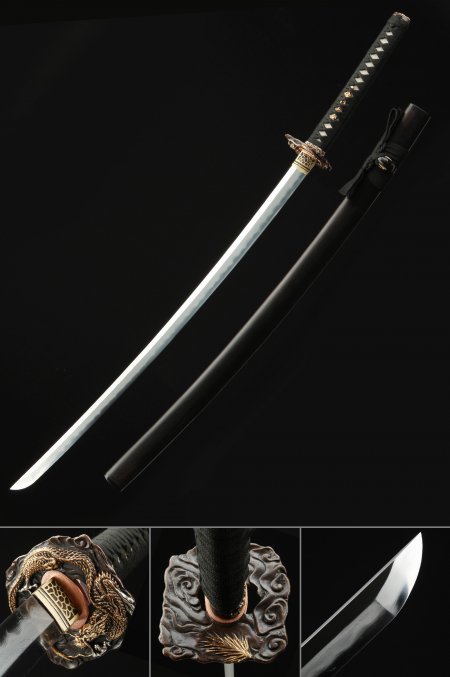
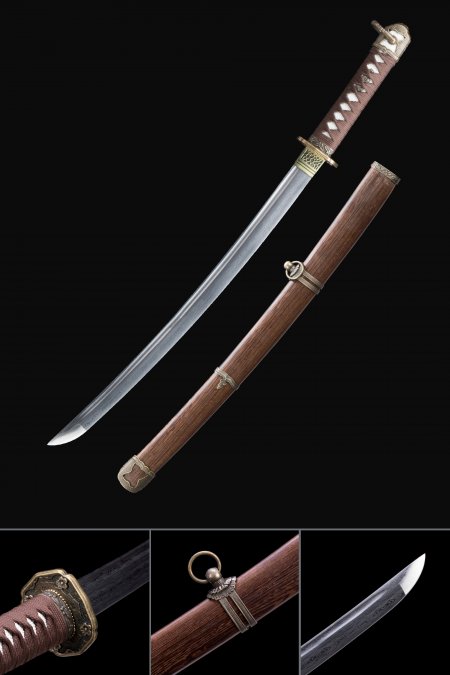
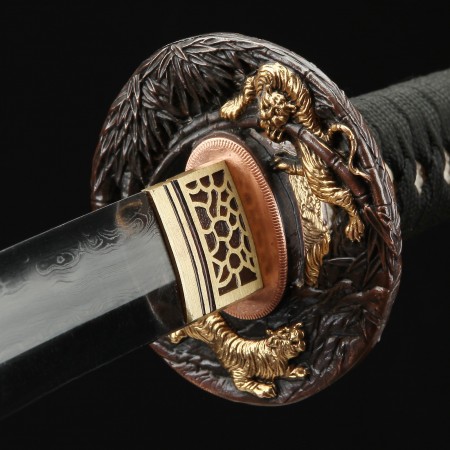
A Damascus steel sword and a T10 carbon steel sword represent two different but equally compelling approaches to premium Japanese sword collecting quality. A T10 clay-tempered sword with real hamon is valued for the precision craft of the differential heat treatment process - the hamon's clarity, complexity, and visual character are the primary indicators of blade quality, and a T10 sword with an exceptional hamon is the most traditionally valued configuration in the Japanese sword collecting canon. The hamon is a feature of the heat treatment rather than the base material, and its quality depends on the smith's technique and the quality of the clay application and quenching. A Damascus steel sword is valued for the material visual complexity of the layered pattern - the individual uniqueness of each blade, the visual depth and movement of the pattern under directed light, and the connection to a blade-making technique with a distinct history and aesthetic. The two qualities - T10 hamon and Damascus pattern - are not directly comparable because they are different kinds of value, and many collectors eventually acquire both to experience the different collecting rewards each offers.