How does the straight blade geometry affect the sword’s balance and handling compared to a curved
Updated Feb 2026
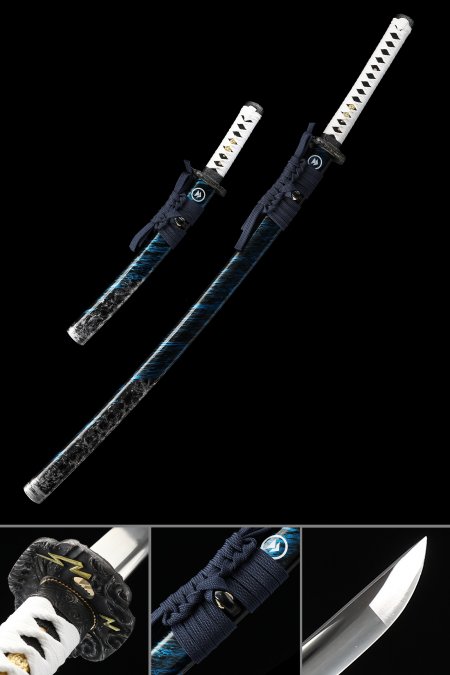
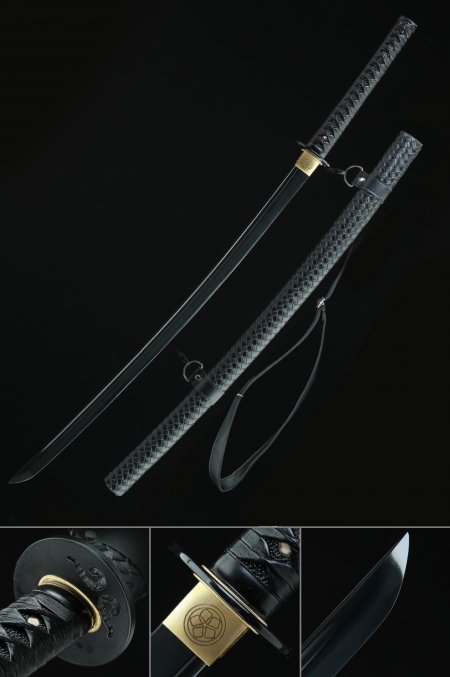
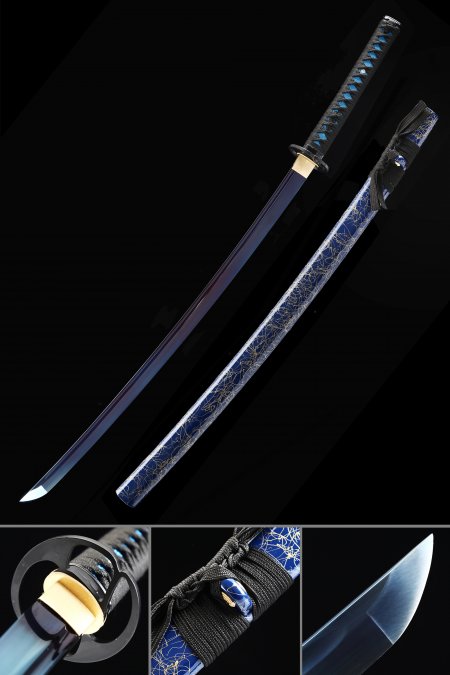
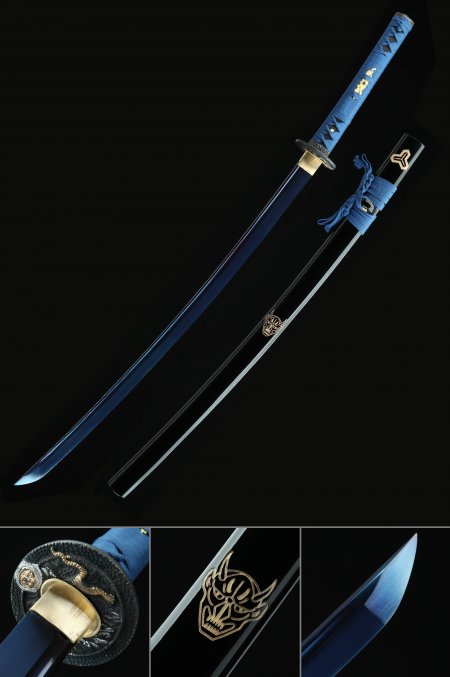
Straight geometry produces noticeably different balance characteristics compared to traditional curved katana. A curved blade concentrates more mass toward the tip due to the geometry of the curve, creating a forward-weighted balance point that generates momentum during cutting motions — this is one reason curved blades became standard for cavalry use. A straight blade distributes mass more evenly along the blade length, producing a balance point closer to the handle. This creates a different handling character: straight blades feel more responsive to directional changes and more neutral in the hand, while curved blades feel more committed to sweeping motions once they begin. For display purposes, the balance difference means straight katana sit differently on horizontal stands — they rest more evenly rather than presenting the gentle drooping curve of a standard katana. Neither balance profile is superior; they serve different aesthetic and historical traditions, and many collectors appreciate having both curved and straight examples in their collection for the contrast.