How do traditional Japanese tsuba guard patterns indicate the period and cultural context of the kat
Updated Feb 2026
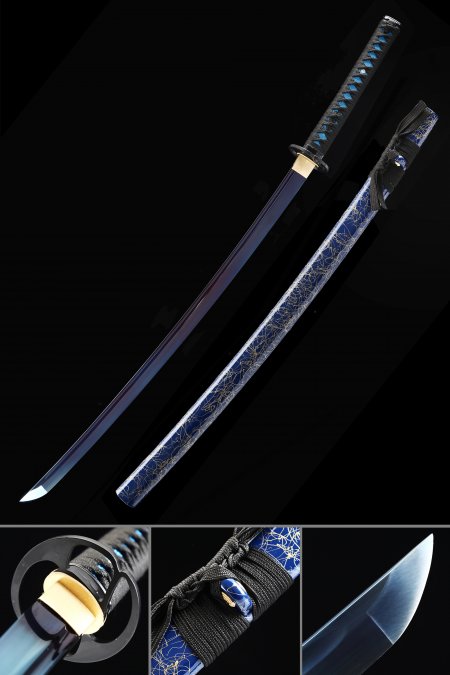
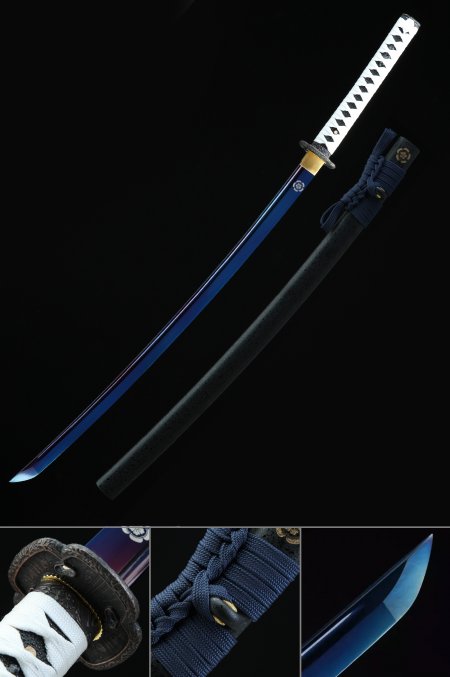
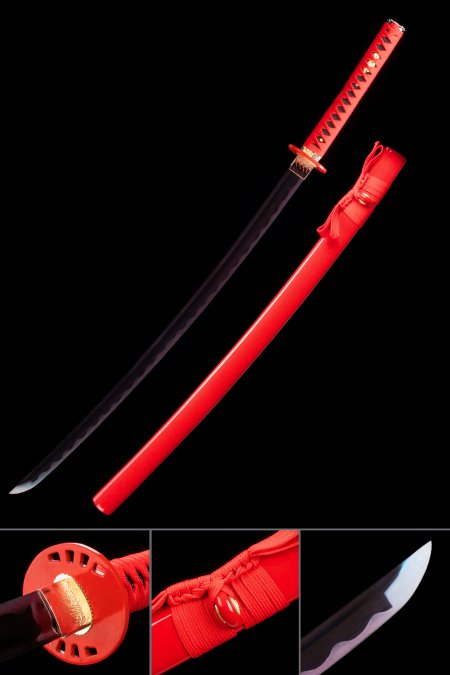
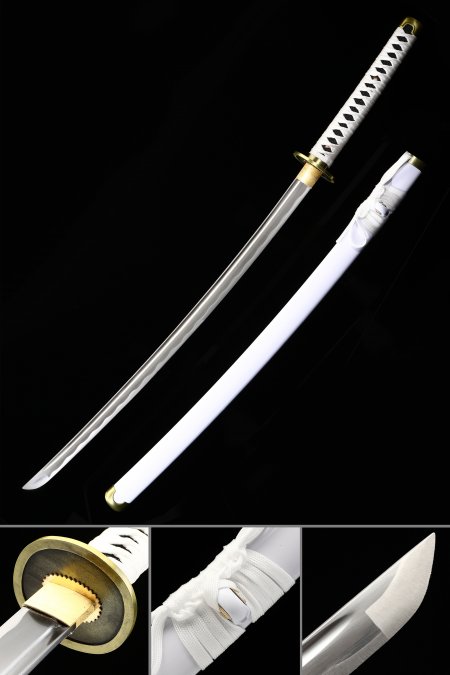
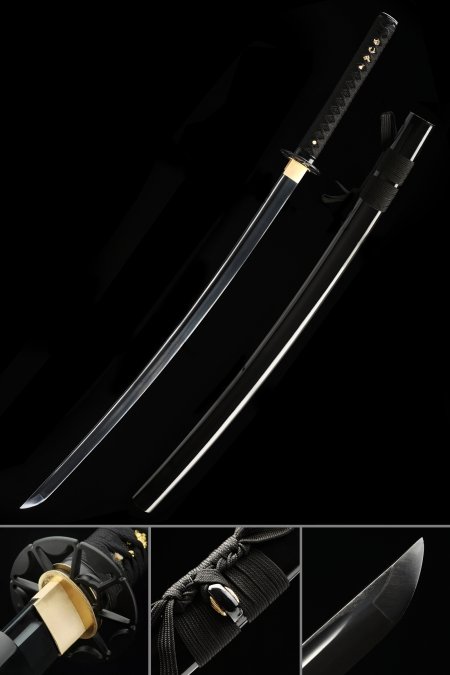
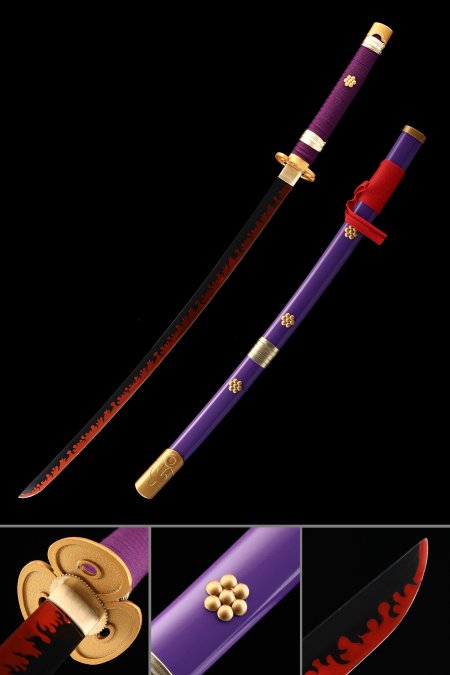
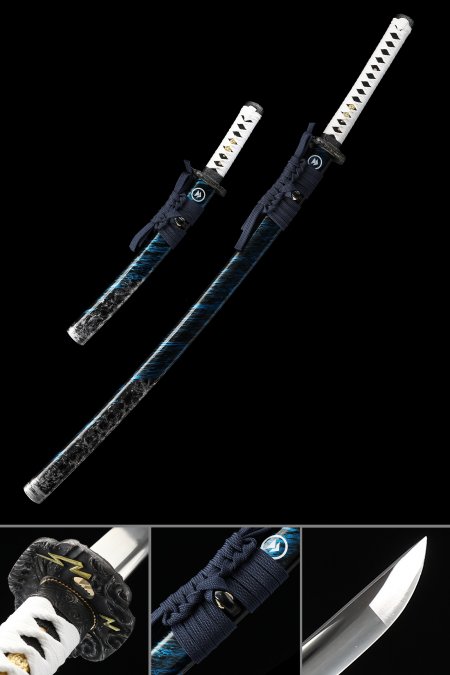
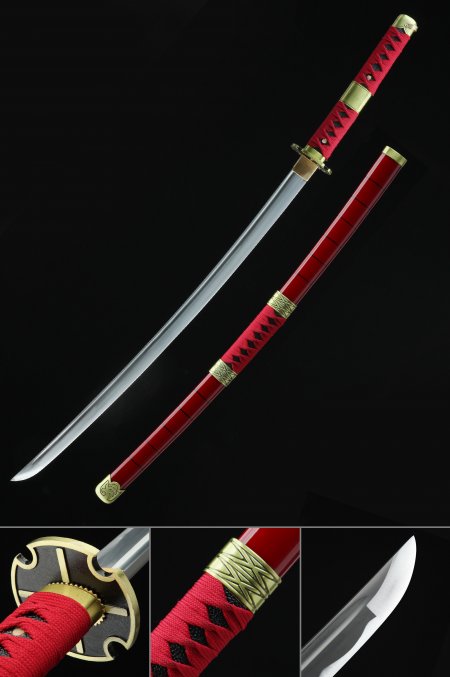
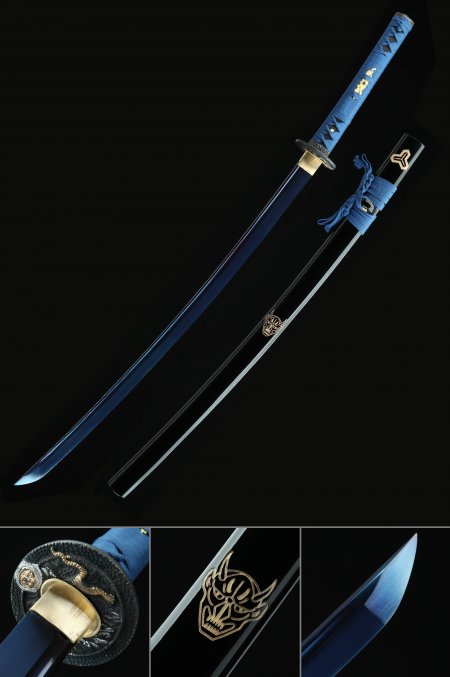
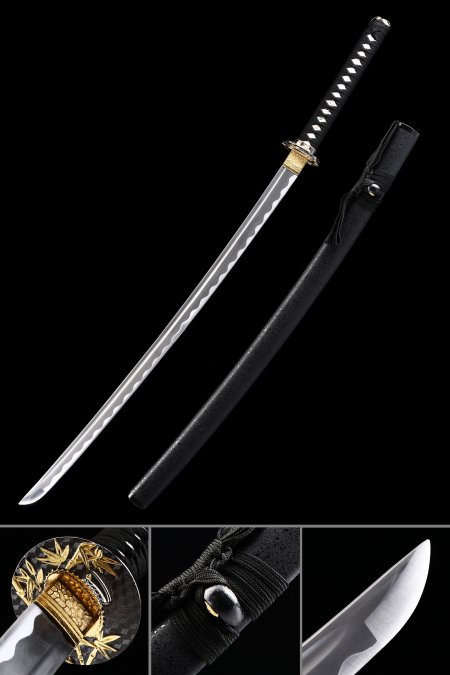
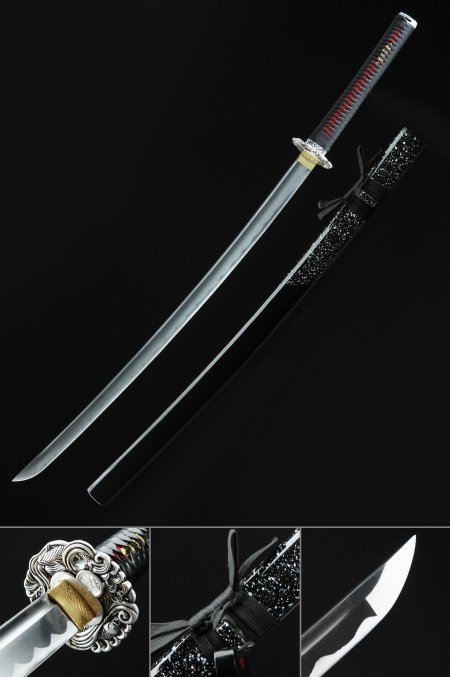
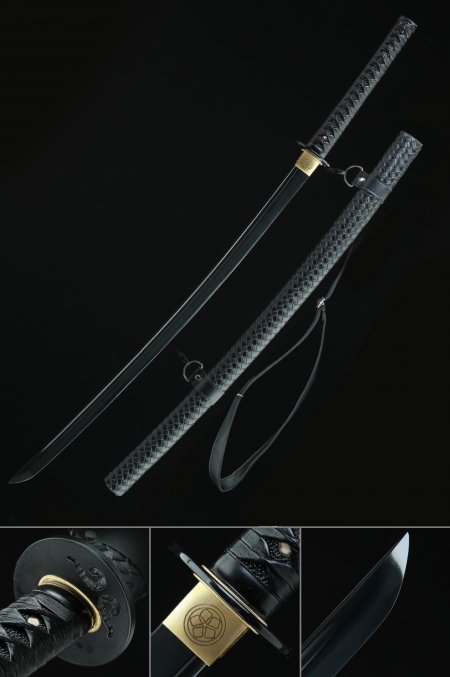
Tsuba guard patterns serve as one of the most readable cultural markers on a Japanese katana. Iron tsuba with minimal decoration or simple geometric piercing reference the Kamakura and Muromachi periods when functional simplicity dominated. Elaborate iron tsuba with gold or silver inlay in naturalistic scenes — landscapes, animals, seasonal flowers — reference the Momoyama and early Edo periods when metalworking arts flourished under peaceful conditions. Soft-metal tsuba in shakudo or shibuichi with detailed pictorial relief work reference the middle and late Edo period when tsuba became appreciated as independent art objects. Namban-style tsuba with Western-influenced motifs reference the period of Portuguese and Dutch trade contact. In this collection, the tsuba patterns on each katana reference specific traditions within this continuum, and understanding these references enriches the collecting experience. The tsuba is often the single most communicative fitting element on a traditional katana, telling knowledgeable observers about the design’s cultural time period, regional origin, and intended social context.