How can collectors verify handmade construction on dark-finished katana where traditional quality in
Updated Feb 2026
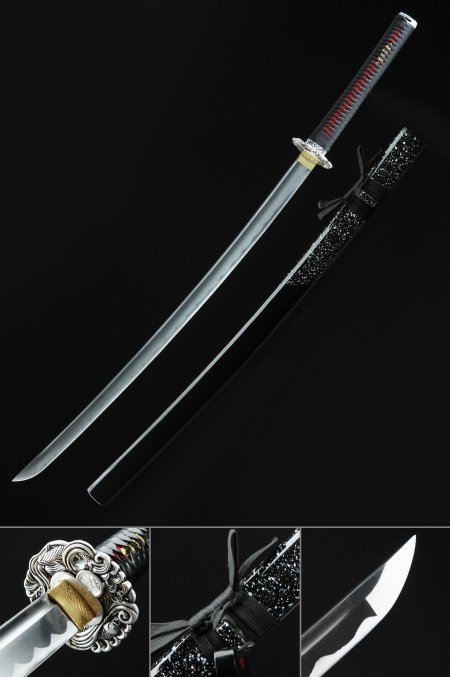
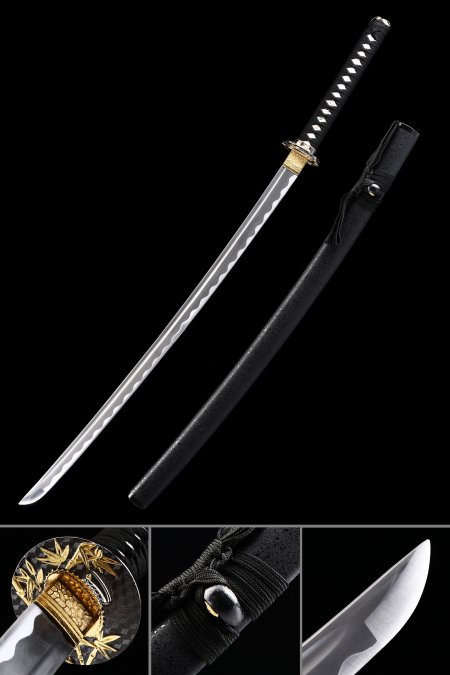
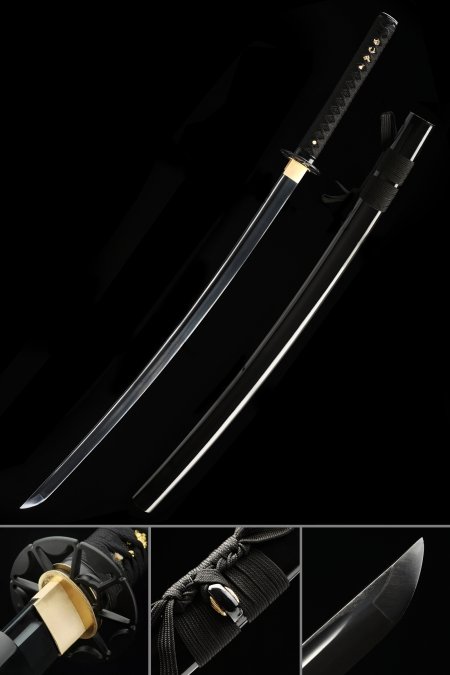
Verifying handmade construction on dark-finished katana requires examining several indicators that remain visible regardless of color treatment. First, examine the blade geometry from the spine: hand-forged blades exhibit subtle, organic variations in width, thickness, and taper that machine production eliminates in favor of perfect uniformity. These variations are visible in profile even on a blackened blade. Second, inspect the handle wrapping: hand-wrapped cord shows characteristic tension variations, slight spacing irregularities, and natural cotton or silk texture that machine wrapping cannot replicate — machine wrapping is conspicuously perfect. Third, examine where components meet: hand-fitted fittings show individual adjustment marks where the craftsman shaped each piece to mate with its neighbors, while machine-produced assemblies show uniform, stamped mating surfaces. Fourth, if the blade has any polished areas or if you can safely examine the edge zone, look for natural blade surface character including subtle hammer marks and grain texture. Finally, check the tang if the handle can be removed — hand-forged tangs show file marks and individual shaping that machine tangs lack.