Does the black color treatment process affect the underlying steel quality or blade performance of h
Updated Feb 2026
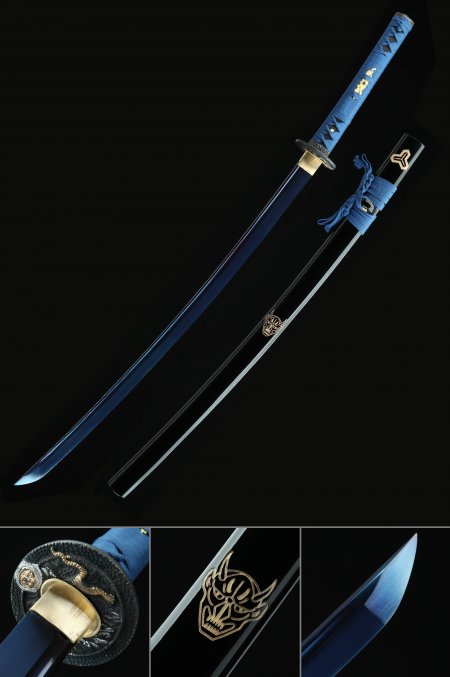
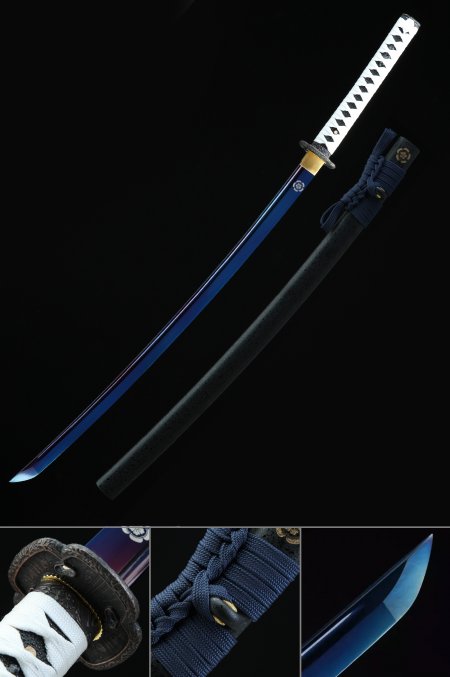
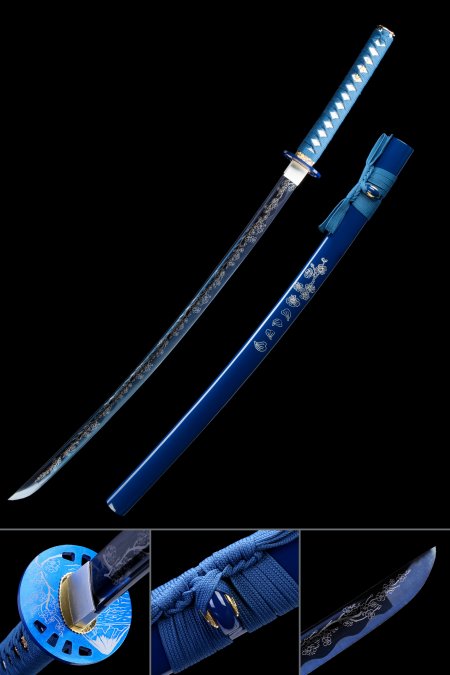
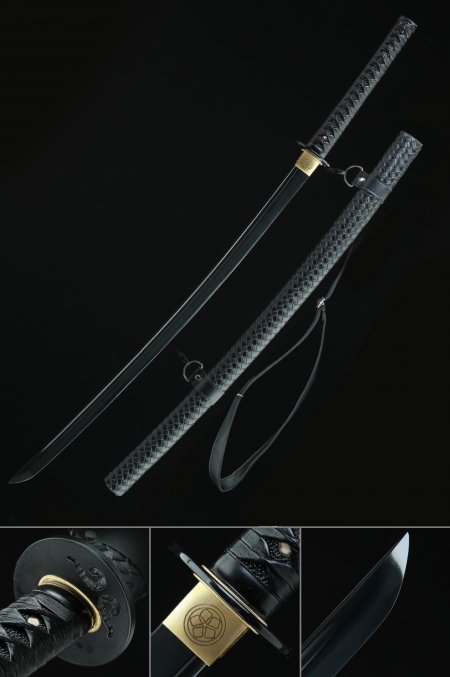
Properly executed black color treatments do not degrade the steel quality or blade performance of the underlying handmade katana. The most common blackening methods include controlled oxidation, acid treatment, and specialized blade coatings, each of which affects only the surface layer without penetrating into the steel’s core structure where hardness and edge geometry are established. Controlled oxidation creates a stable iron oxide layer measured in microns that actually provides mild corrosion resistance while producing the dark appearance. Acid treatments create similar surface chemistry changes at the same shallow depth. Coating methods apply an external layer over the steel surface without chemically interacting with the underlying metal at all. The blade’s edge quality, hardness, flexibility, and structural properties are all determined during forging and heat treatment — processes completed before any color treatment is applied. One practical consideration: if you sharpen or heavily polish a blackened blade, the treatment will be removed from the polished area, revealing the natural steel color beneath. This does not indicate damage but simply shows that the color was indeed a surface treatment over intact steel.