Which steel types are most historically appropriate for traditional handmade katana seeking maximum
Updated Feb 2026
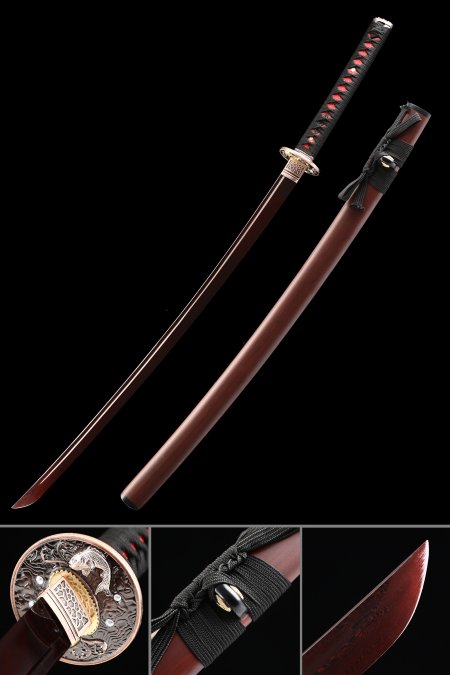
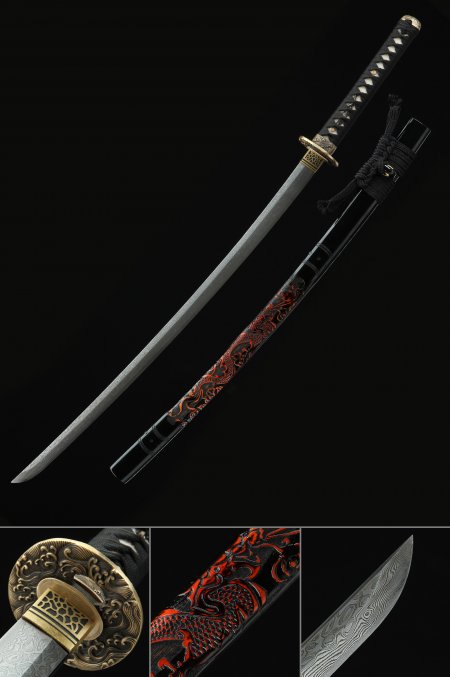
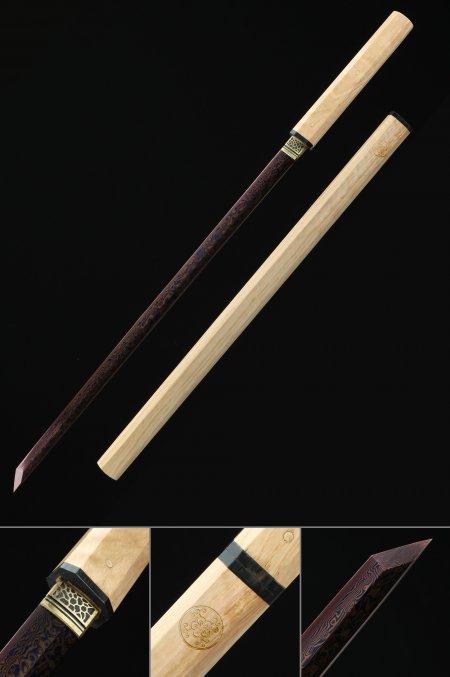
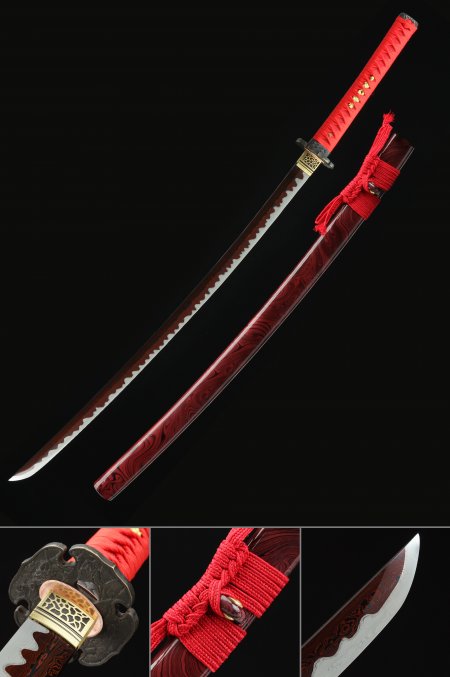
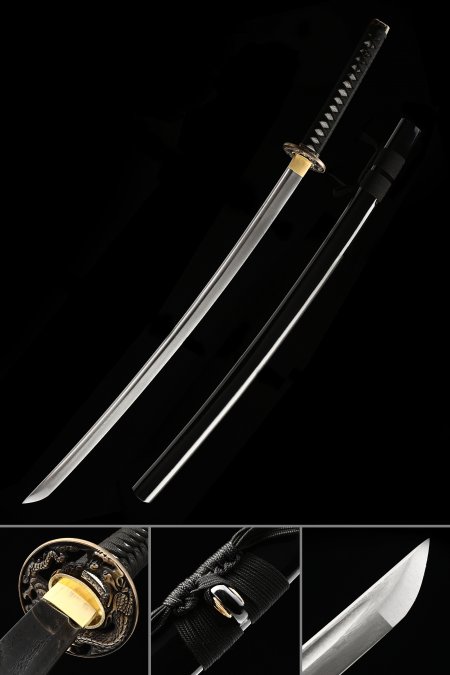
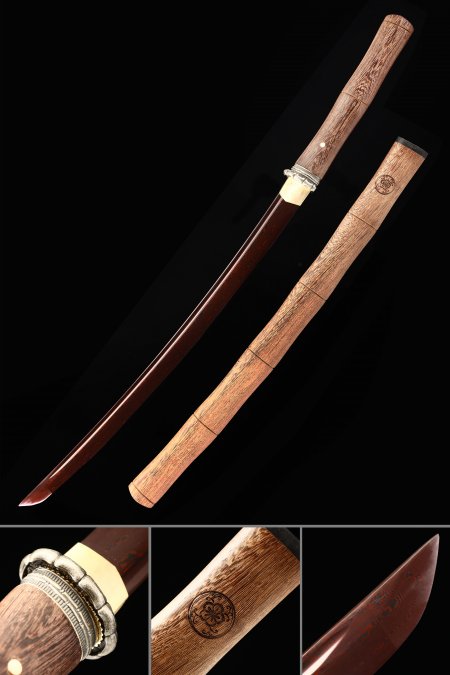
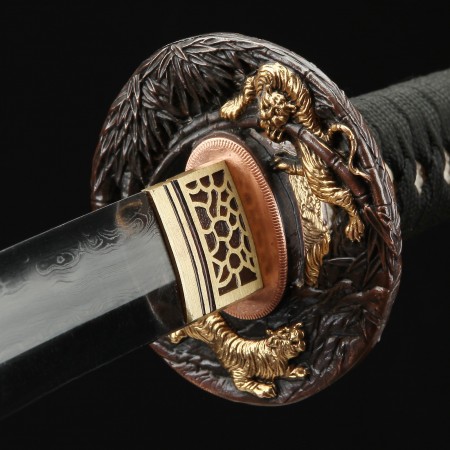
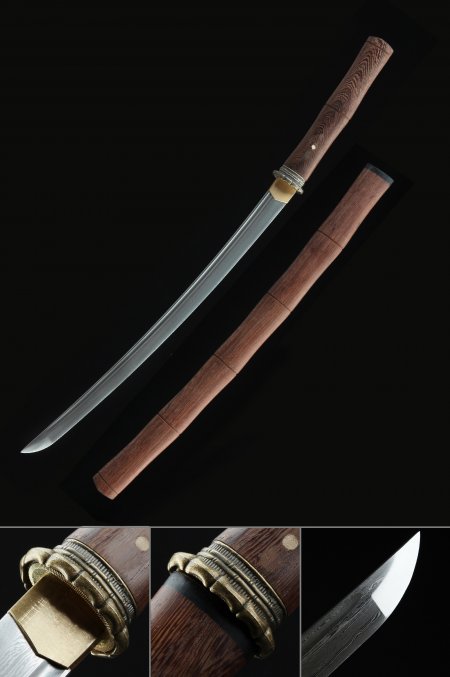
For maximum historical authenticity in traditional handmade katana, the steel selection should prioritize compositions that approximate what historical Japanese swordsmiths worked with. T10 tungsten-carbon steel is widely considered the most authentic modern option because its carbon content and alloy characteristics produce blade behavior most similar to historical Japanese steel — it responds well to clay tempering, produces vivid hamon patterns, and achieves the balance of hardness and toughness that defines classical Japanese blade performance. High-carbon 1095 is also highly appropriate, as its carbon concentration falls within the range of the best historical tamahagane steel used for cutting edges. For collectors who value the visual character of traditional forging, Damascus pattern steel is historically relevant because historical Japanese swordsmiths practiced their own version of layered steelmaking, folding and welding different steel compositions to combine their properties. Spring steel, while excellent for durability, is a more modern choice that prioritizes performance over historical authenticity. Manganese steel is a serviceable entry point but does not closely approximate historical Japanese steel characteristics.