What safety practices are essential when handling, displaying, and storing hand-sharpened red katana
Updated Feb 2026
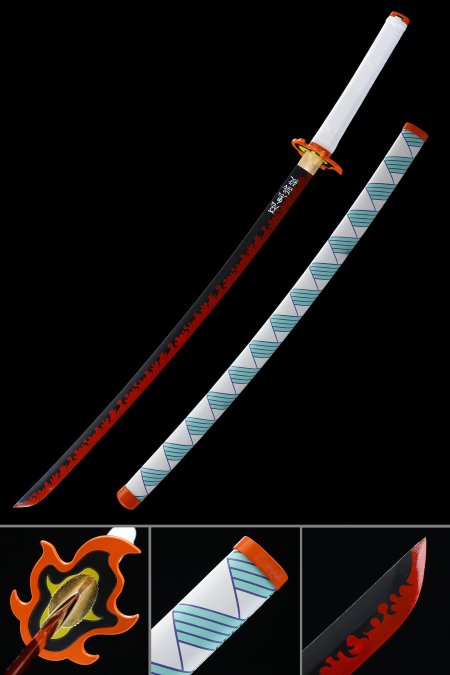
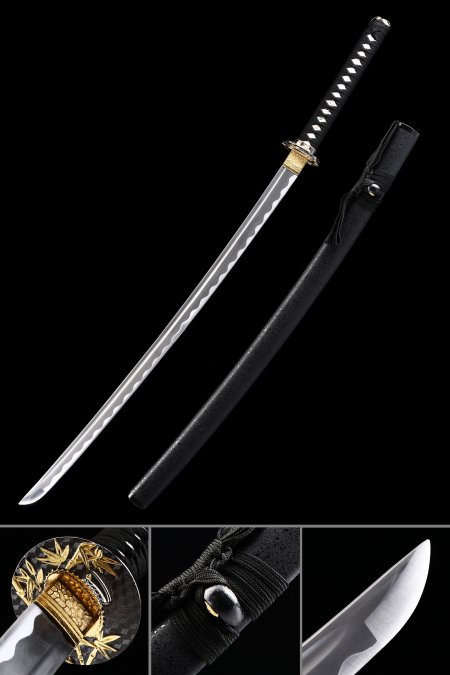
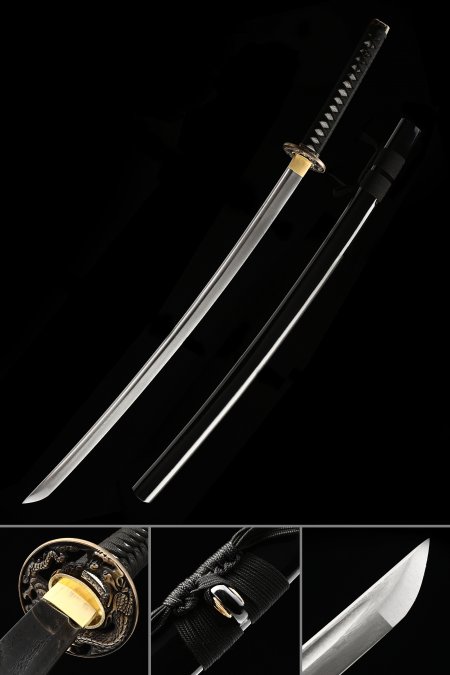
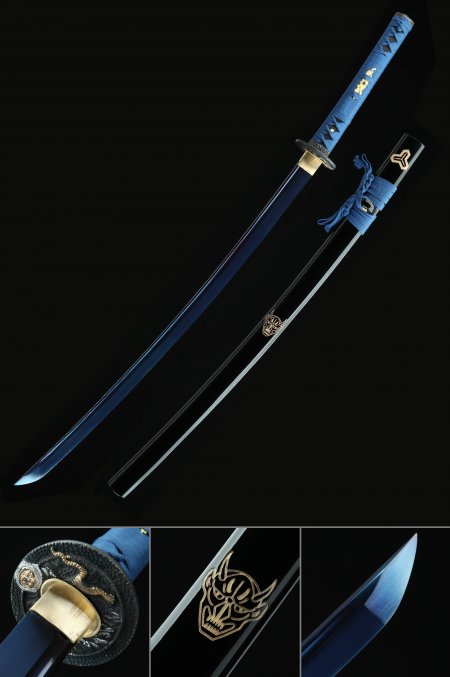
Responsible ownership of hand-sharpened katana requires consistent safety practices across handling, display, and storage. When handling, always grip the sword by the tsuka handle and never touch the blade with bare hands — this protects both you from the edge and the blade from fingerprint acids that promote corrosion on carbon steel. When drawing the blade from the saya, point the edge upward and draw slowly and steadily rather than with quick motion. Never test sharpness by running fingers along the edge. For display, ensure your sword stand is stable on a level surface with no risk of being knocked over by children, pets, or accidental contact. If you have young children or frequent visitors unfamiliar with edged items, consider a display case that prevents casual handling while maintaining visual access. Wall mounting removes ground-level access risks entirely. For storage, always return the blade to its saya when not on display — the scabbard protects the sharpened edge from contact damage and provides a barrier against environmental moisture. Apply a light coat of oil before extended storage periods, and check stored blades monthly during humid seasons to ensure no corrosion is developing inside the scabbard.