What creates the visible grain patterns on folded steel katana, and why is each one unique?
Updated Feb 2026
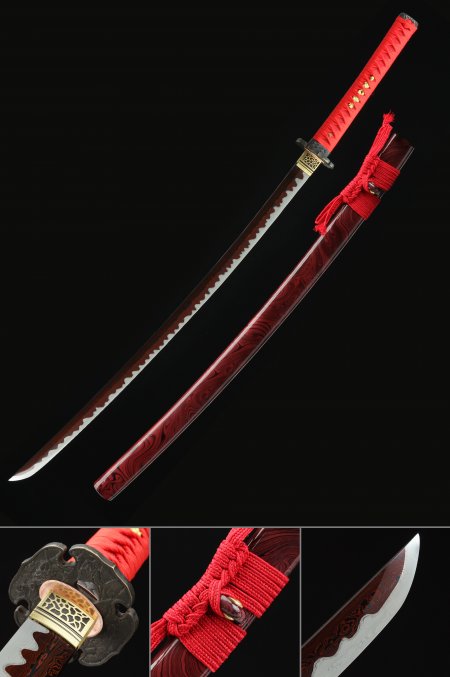
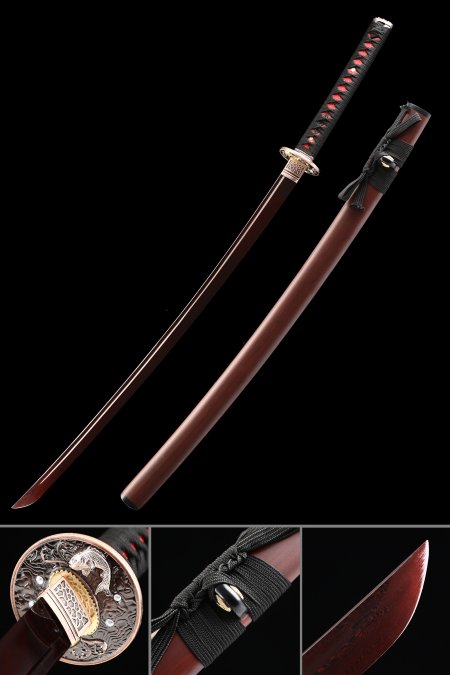
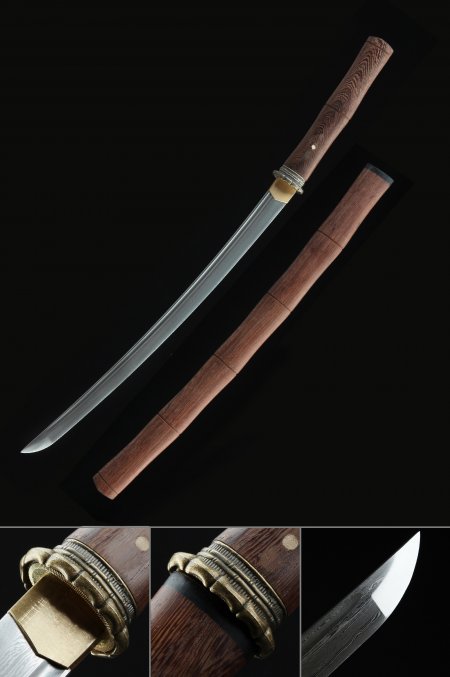
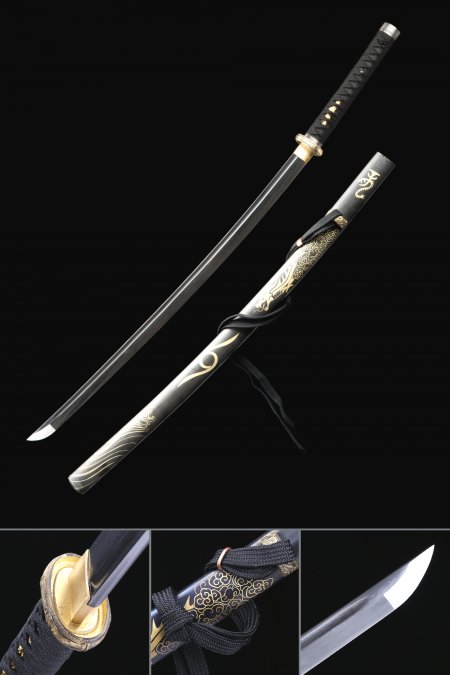
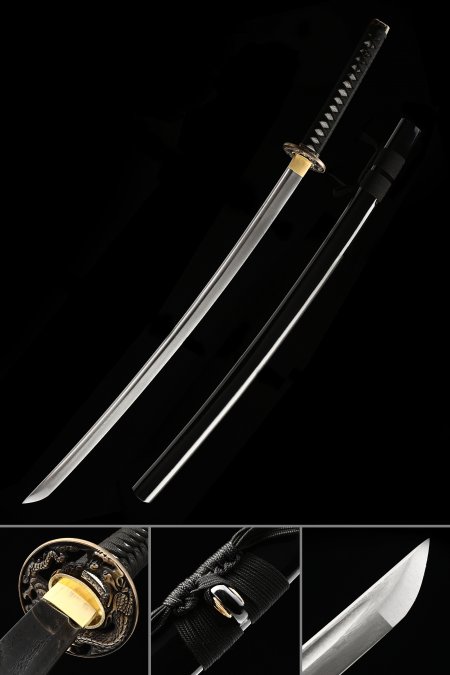
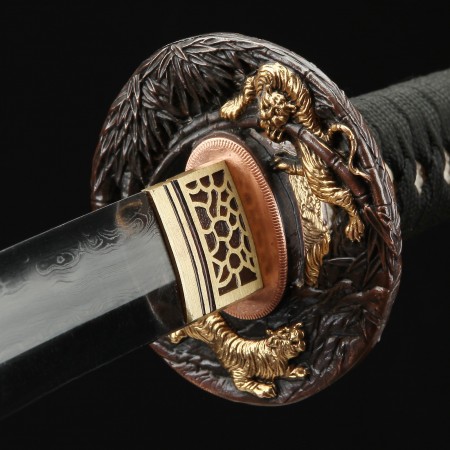
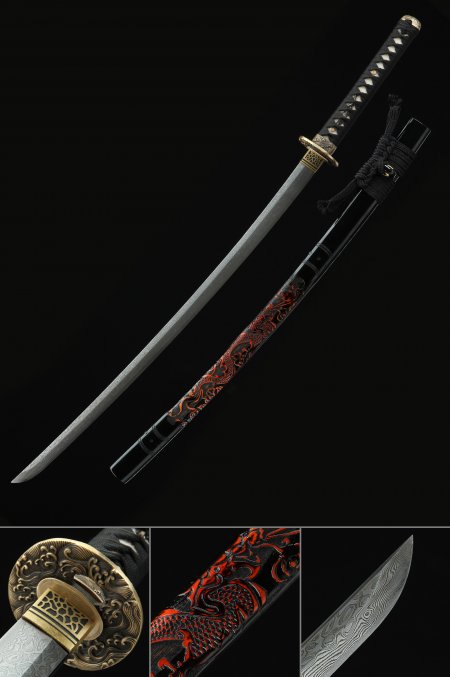
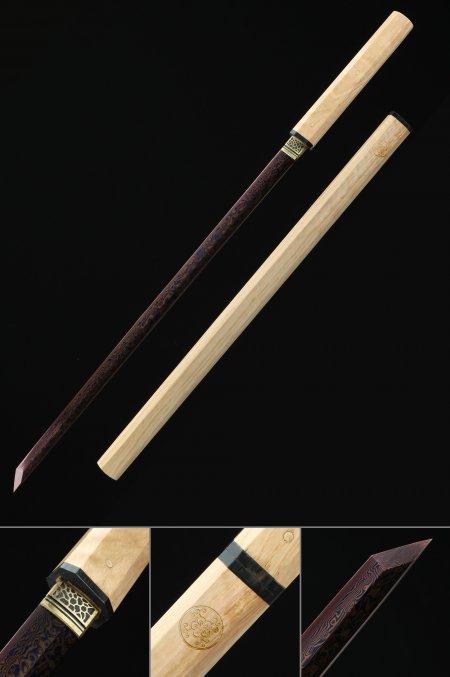
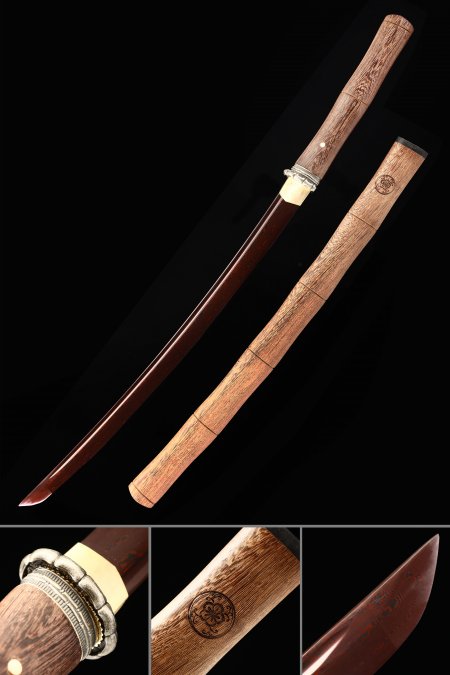
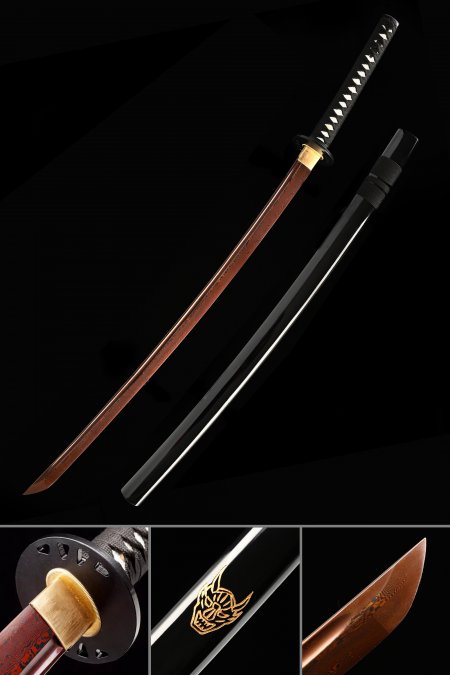
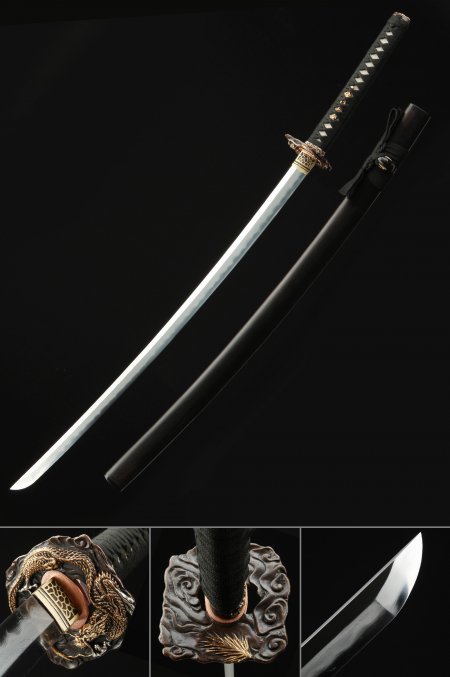
The grain pattern develops through the repeated folding and forge-welding process. The smith heats the steel billet, folds it over itself, and hammers it back together, welding the layers. Each fold doubles the layer count: 10 folds create roughly 1,024 layers. After polishing, the boundaries between these layers become visible as flowing lines across the blade surface because slight compositional differences between layers etch at different rates during polishing. Each blade’s grain is unique because the exact patterns depend on how the smith manipulated the steel during each fold — the angle of folding, the hammer force distribution, and the temperature at each stage all create irreproducible variables. Even two blades folded by the same smith on the same day will show different grain patterns.