What qualifies a katana as authentically Japanese in its construction?
Updated Feb 2026
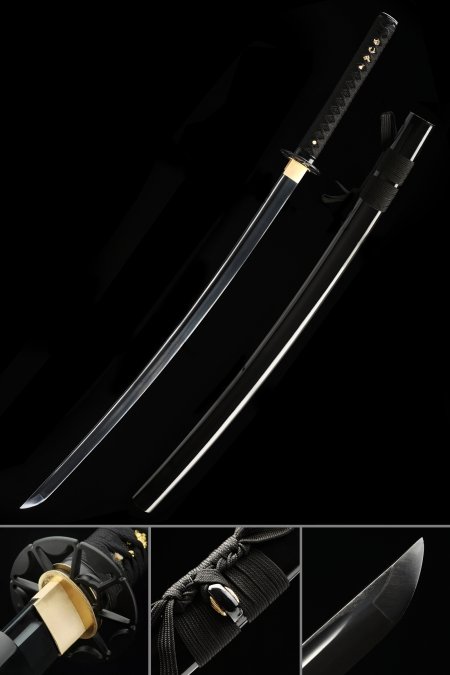
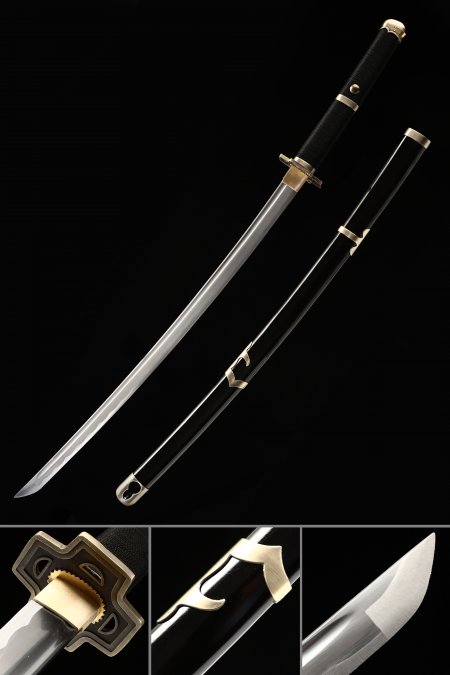
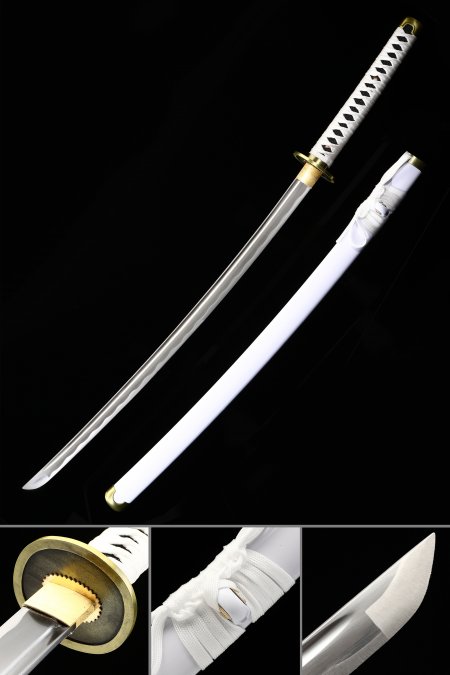
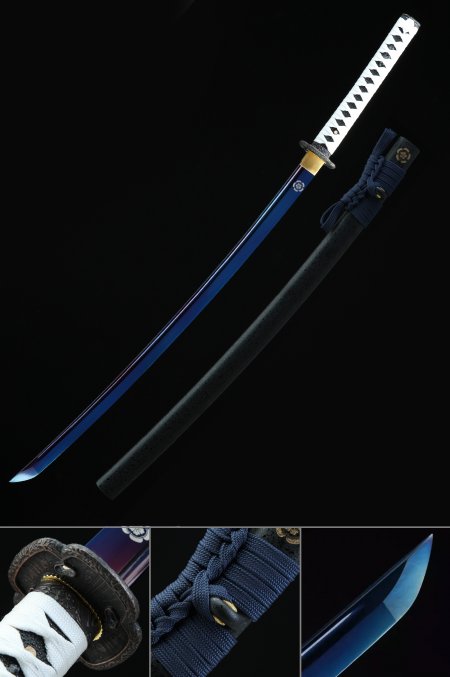
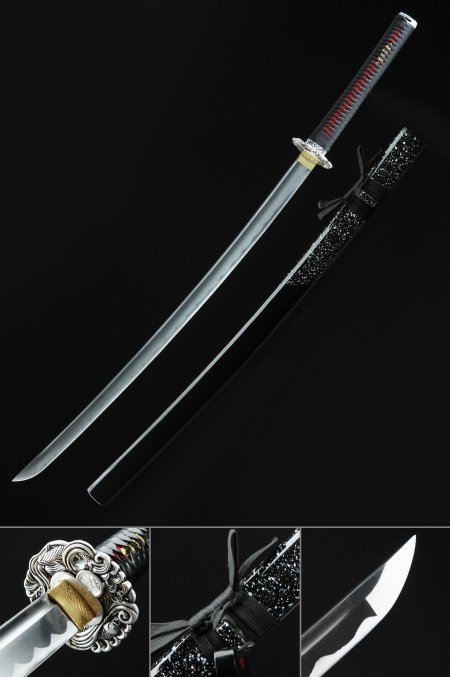
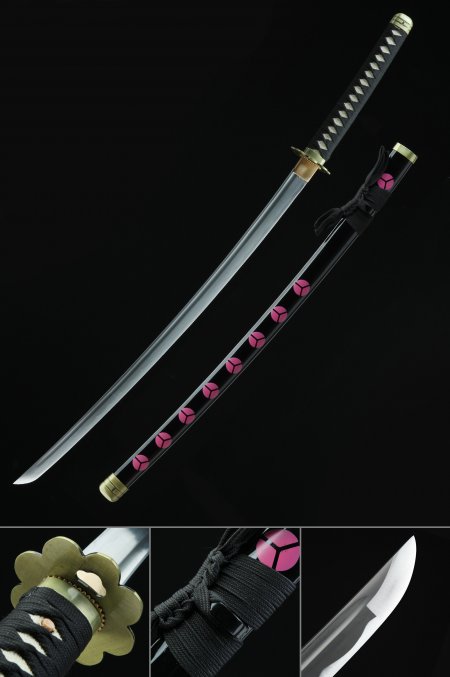
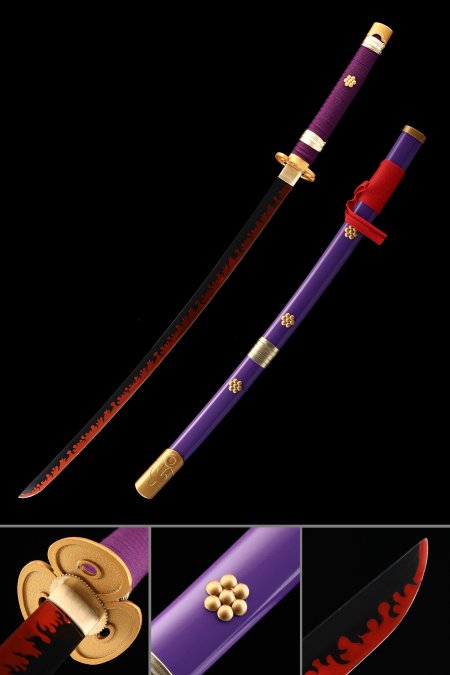
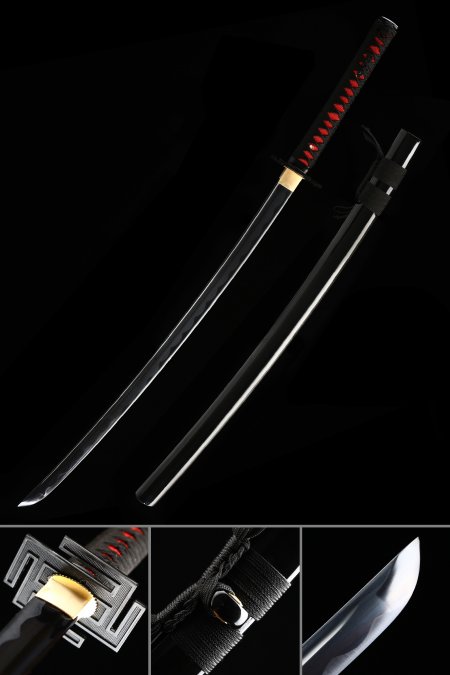
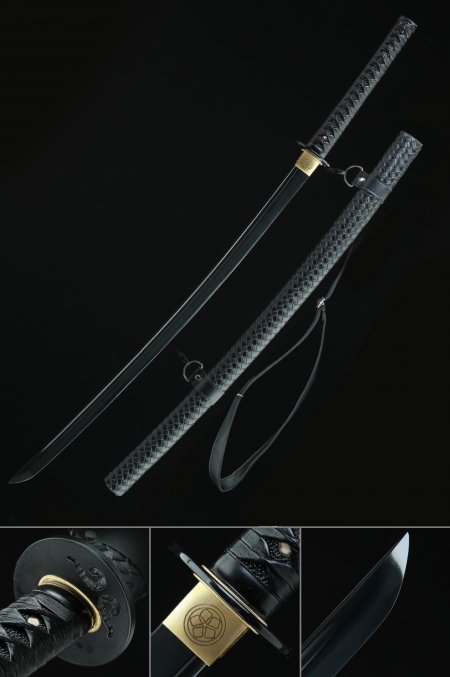
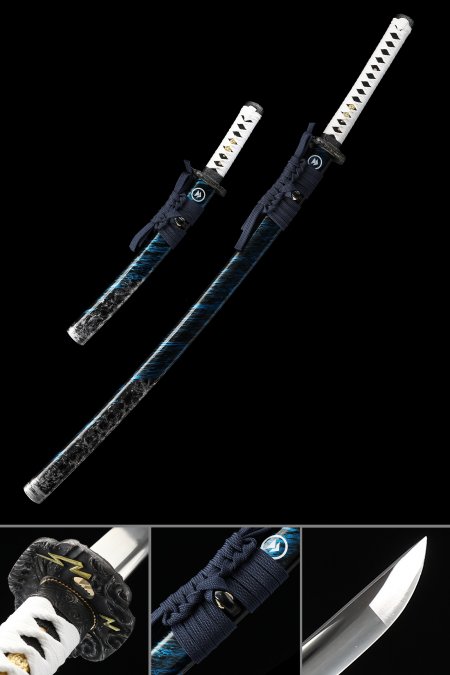
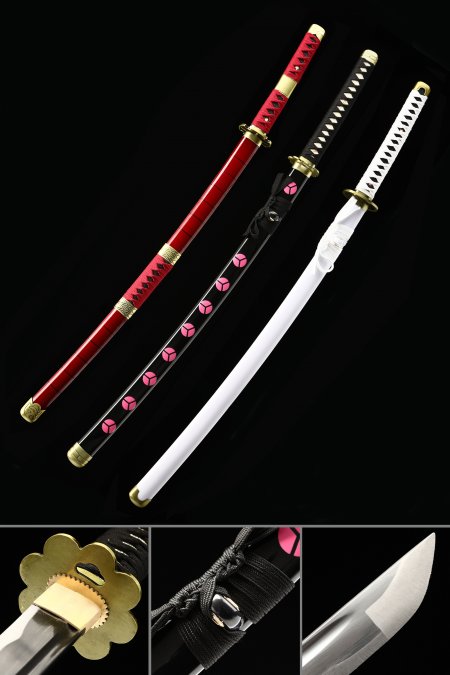
An authentic Japanese katana is defined by its forging process, materials, and assembly method rather than by where it was physically made. The key markers include hand-forging from high-carbon steel (not stamped or machine-cut), differential clay tempering that produces a genuine hamon temper line, full-tang construction with the blade extending through the entire handle, and traditional fittings such as ray skin wrapping, silk cord, and a fitted hardwood saya. The blade geometry should follow historical Japanese proportions: a curved single-edged blade with a defined ridge line (shinogi), a proper kissaki (tip), and a tang (nakago) shaped and finished by hand. Our collection is curated to include only katana that meet these traditional construction standards.