Are T10 clay-tempered full-tang katana harder to maintain than 1045 carbon steel versions?
Updated Feb 2026
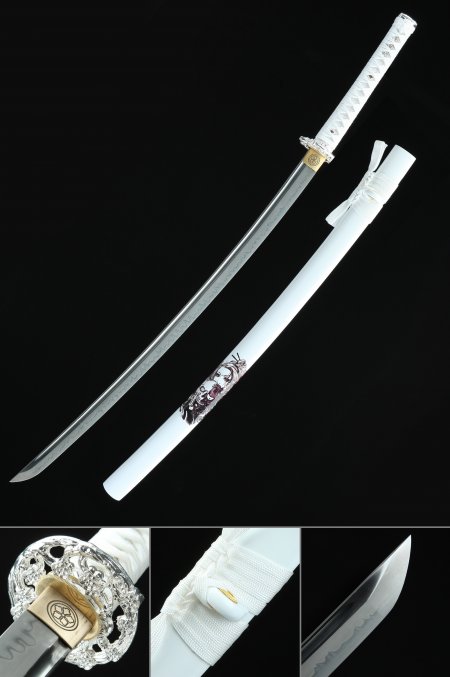
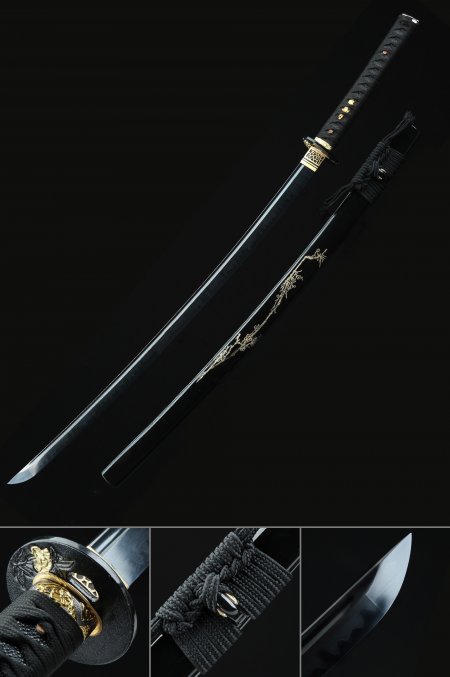
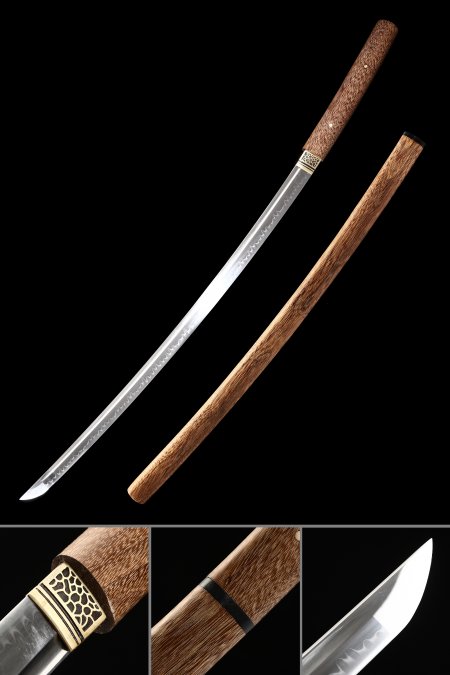
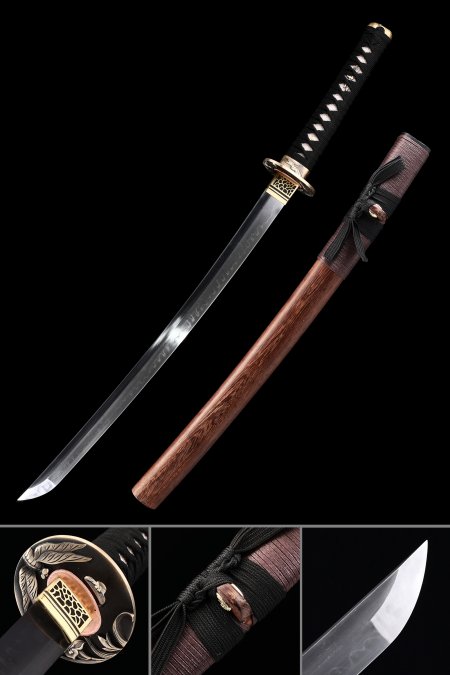
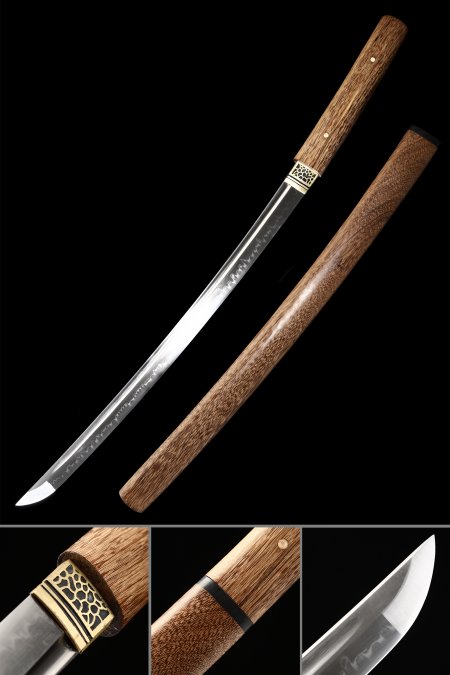
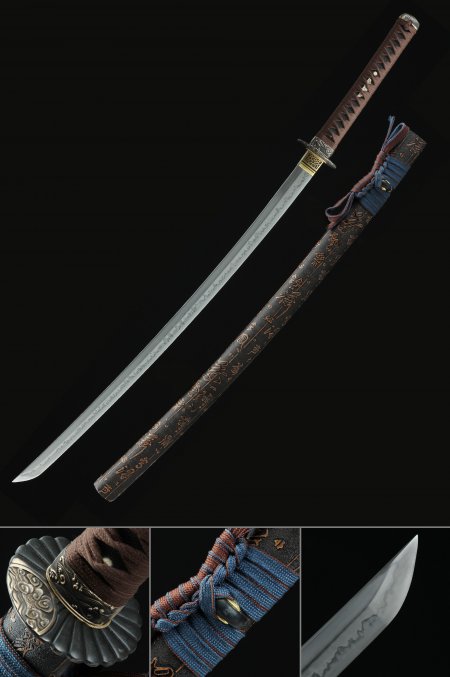
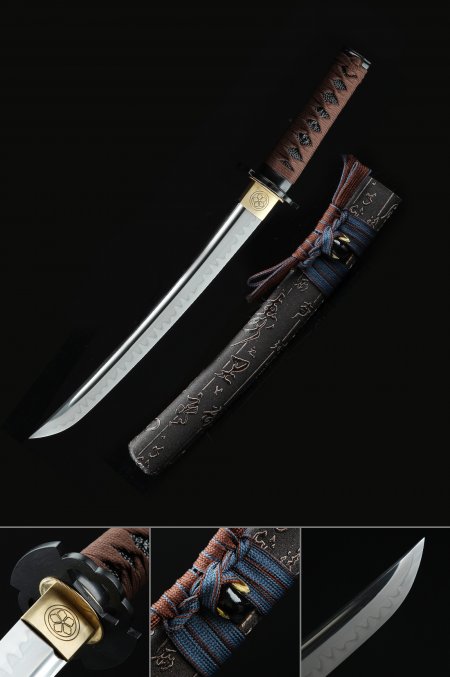
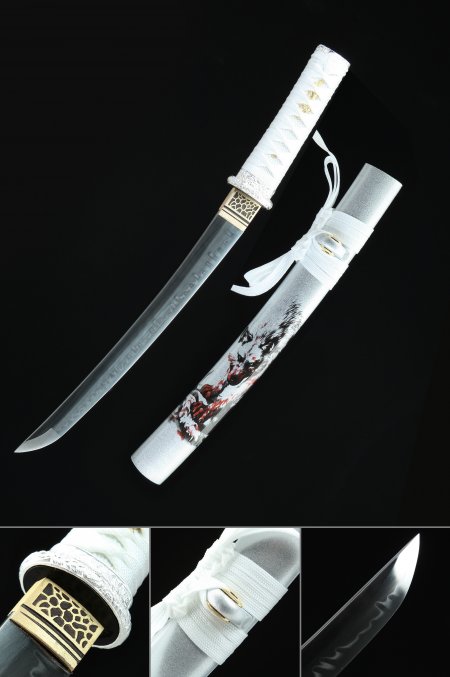
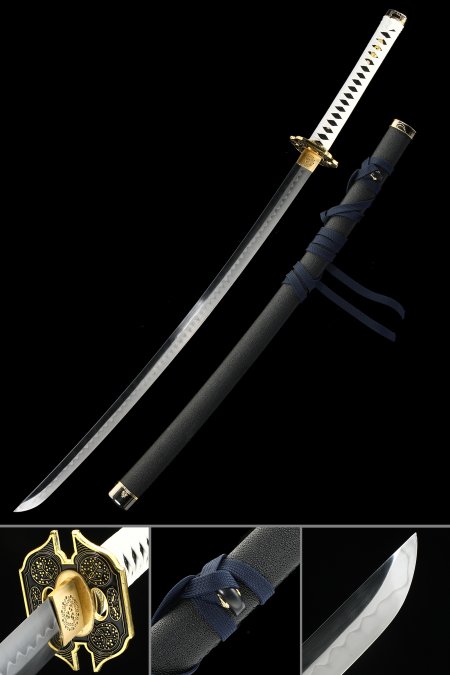
T10 clay-tempered katana require slightly more attentive care than standard 1045 carbon steel swords, but the difference is modest and manageable. T10 is a higher-carbon tool steel with a small tungsten content, and its hardened edge zone - the result of clay tempering - is more susceptible to rust than softer steel if left unprotected. The maintenance routine is the same for both: wipe after handling to remove oils, and apply a thin coat of choji oil every few months. The key difference is that T10 blades are less forgiving if this routine is neglected for extended periods in humid conditions. The reward for that slightly higher standard of care is a blade with a genuine visible hamon, better edge retention characteristics, and a more refined appearance than a standard carbon steel katana. For most collectors who display their swords indoors and follow basic maintenance, a T10 katana is entirely practical to own.