How does clay tempering on a Chinese dao sword compare to Japanese methods?
Updated Feb 2026
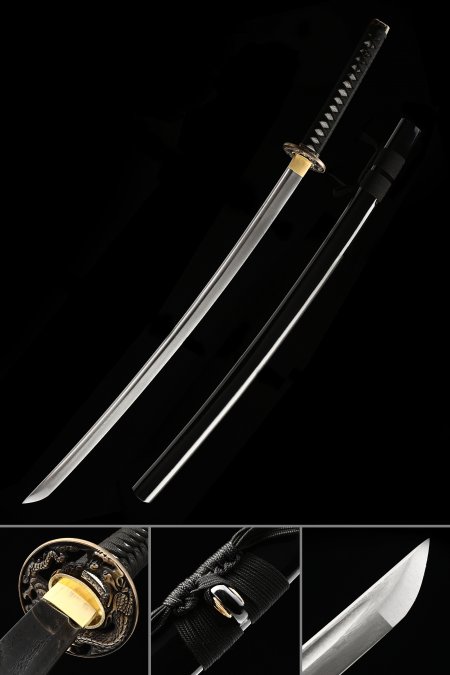
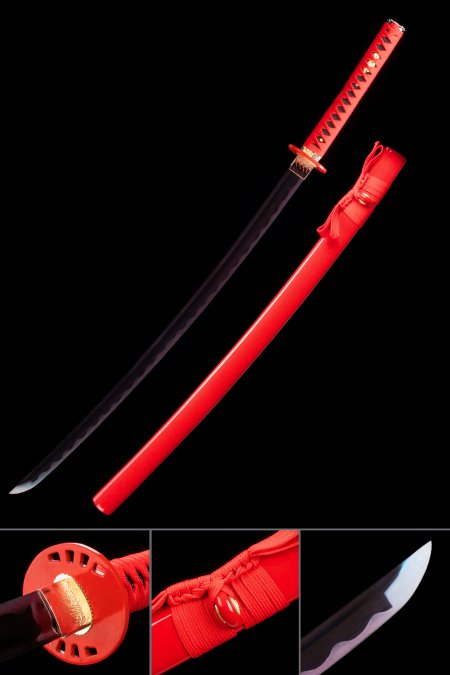
Clay tempering in Chinese swordsmithing follows the same fundamental principle as Japanese tsuchioki: a clay coating is applied to the spine before quenching, insulating it from rapid cooling while the edge hardens. The result is differential hardness - a hard edge that holds well and a flexible spine that absorbs shock - and a visible temper line along the blade. The specific clay compositions, application techniques, and quench media vary between Japanese and Chinese traditions, and the character of the resulting hamon or temper line can differ accordingly. Chinese clay-tempered blades often display a temper line with a different shape and activity pattern than Japanese clay-tempered katana, reflecting the different blade geometry and specific technical traditions of each culture's smiths. Both approaches are genuine heat treatment methods with real effect on blade performance, as opposed to purely cosmetic simulations. The clay-tempered dao options in this collection are produced by smiths who work within the Chinese tradition.