Does full-tang construction affect how a katana balances and handles?
Updated Feb 2026
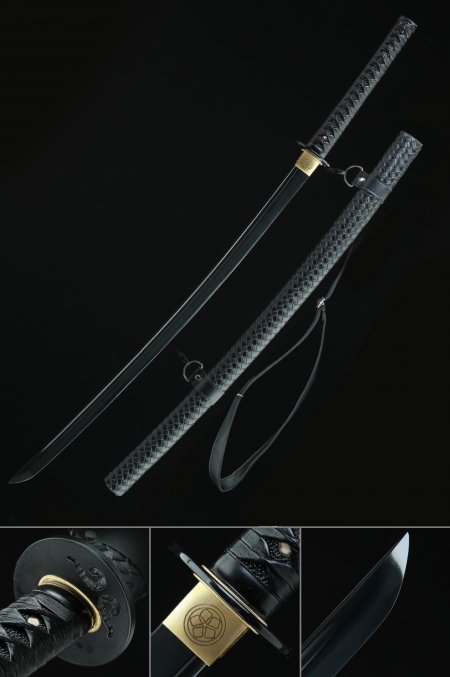
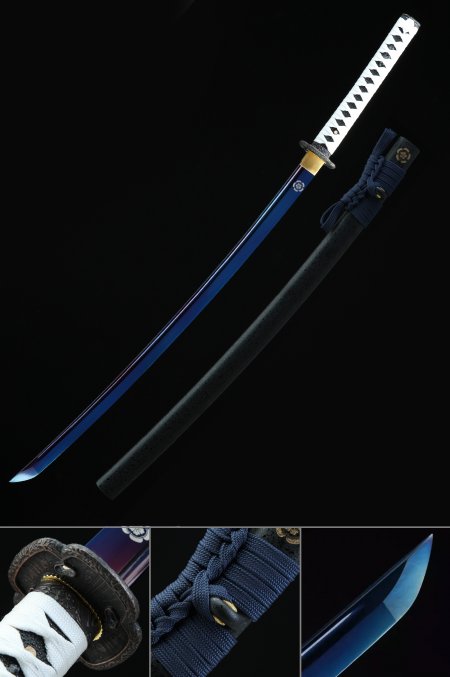
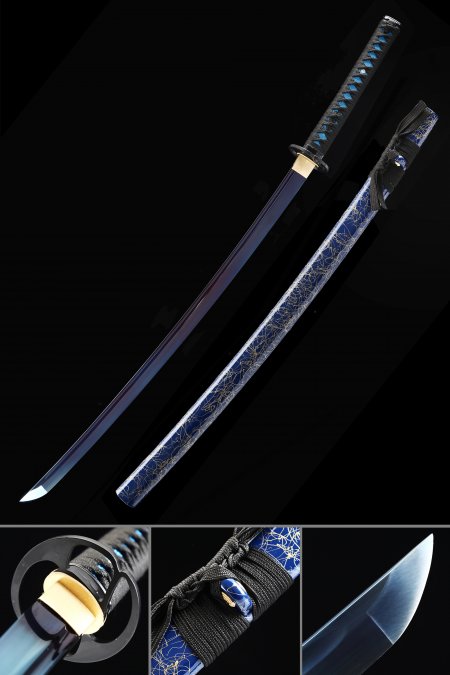
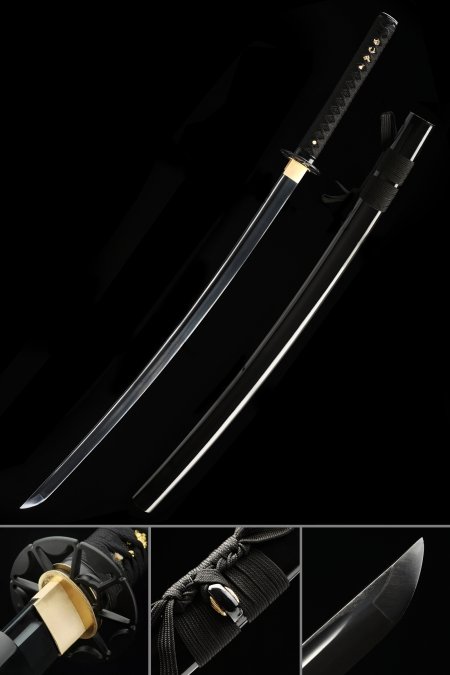
Yes. Full-tang construction directly affects a katana's balance and handling character. The tang accounts for a significant portion of the handle-side weight in the sword, and its specific dimensions - length, width, and taper - determine where the sword's balance point sits along its length. A properly designed full-tang nakago positions the balance point at approximately one-third of the blade length from the habaki, which is the conventional balance point for a katana and produces the responsive, well-controlled handling character associated with quality Japanese swords. A partial or rat-tail tang, which is significantly lighter than a full tang, shifts the balance point toward the blade and produces a different, blade-heavy feel in the hand. For display collectors who handle their swords occasionally for examination, the difference in balance between a full-tang and partial-tang katana is immediately perceptible. The full-tang sword feels like a cohesive, well-designed object; the partial-tang version feels unbalanced and less substantial.