Why do collectors prefer T10 carbon steel for Japanese katana swords?
Updated Feb 2026
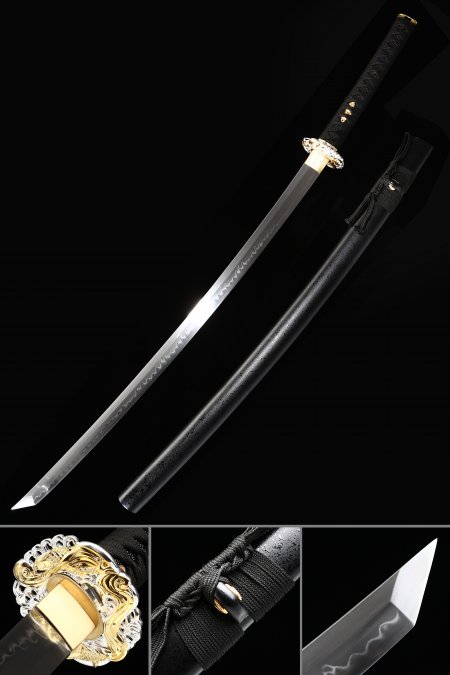
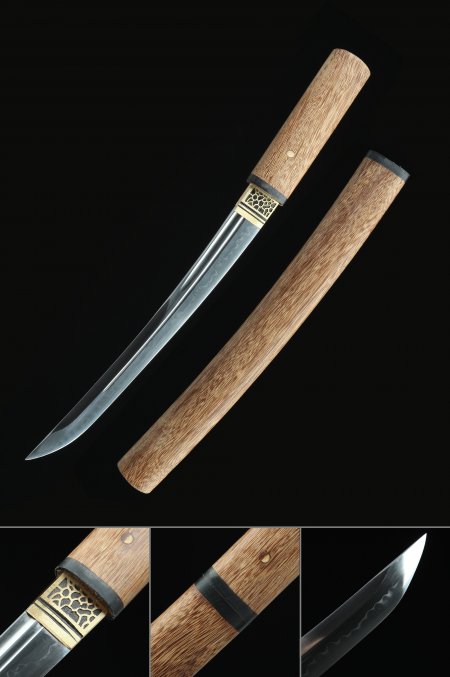
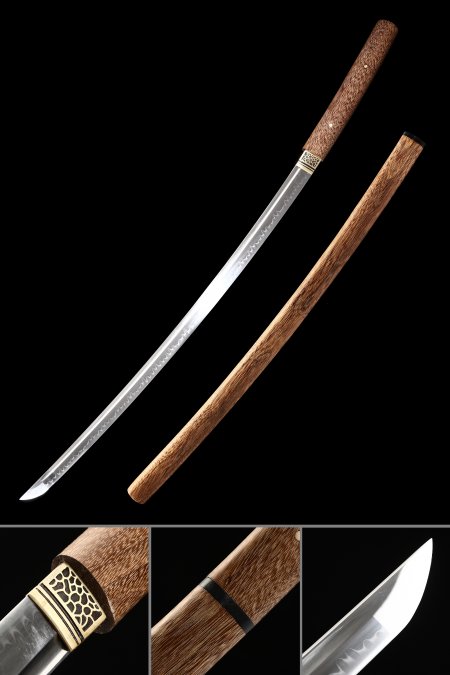
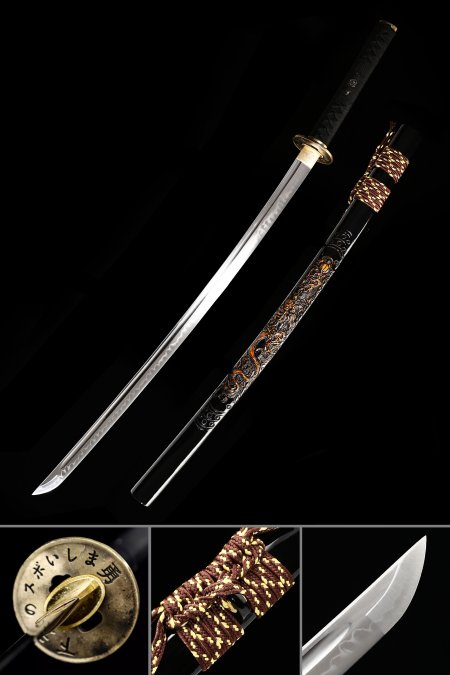
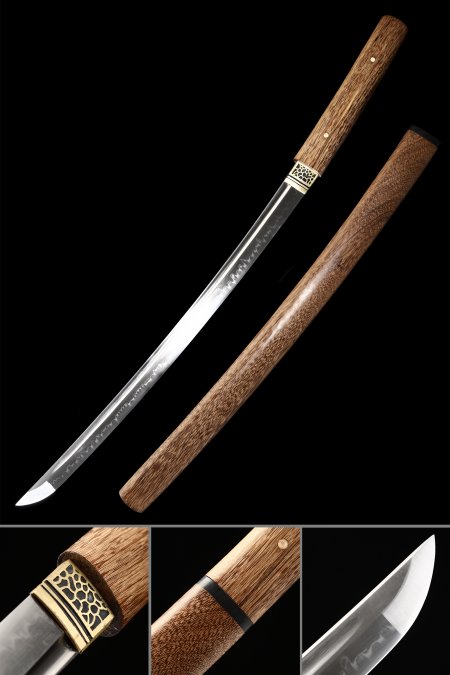
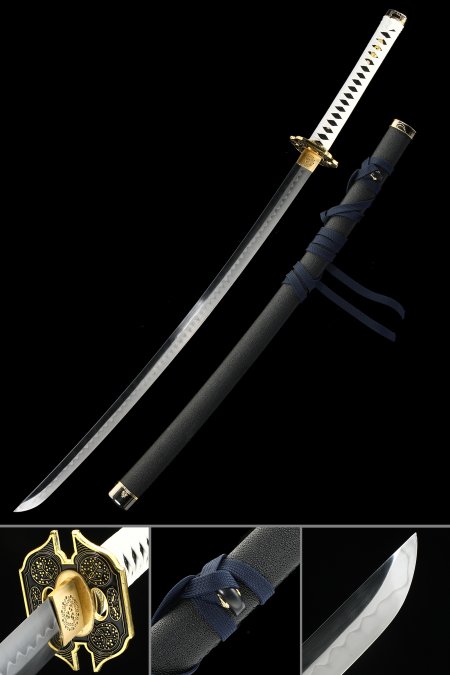
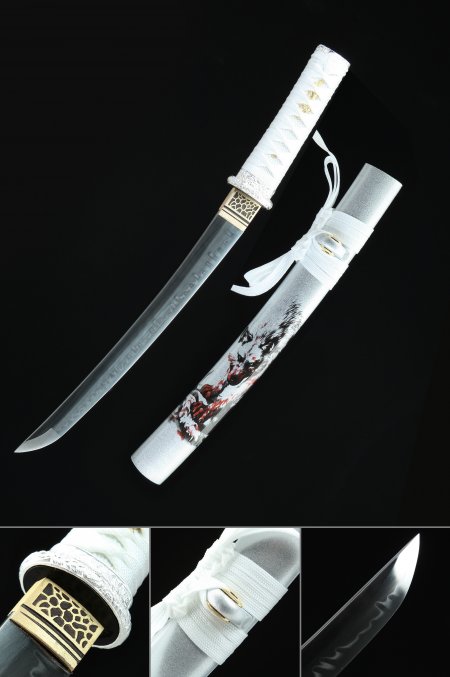
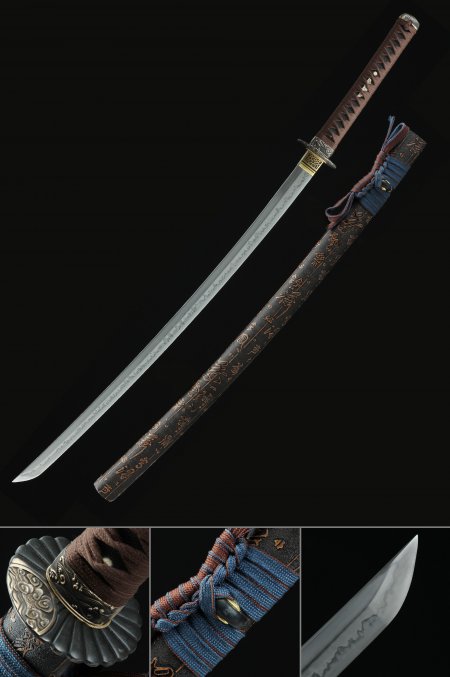
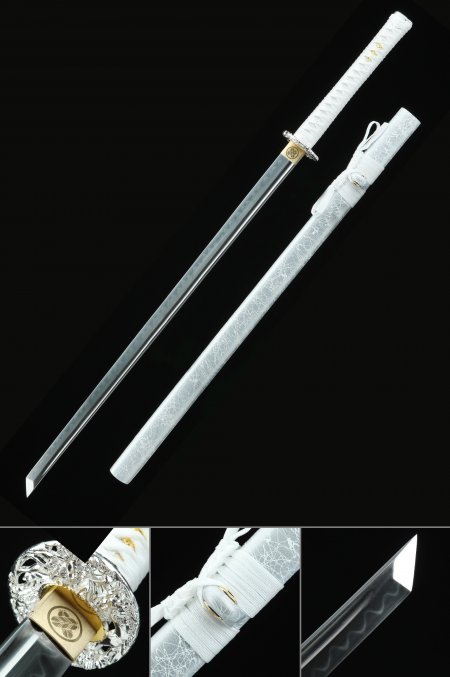
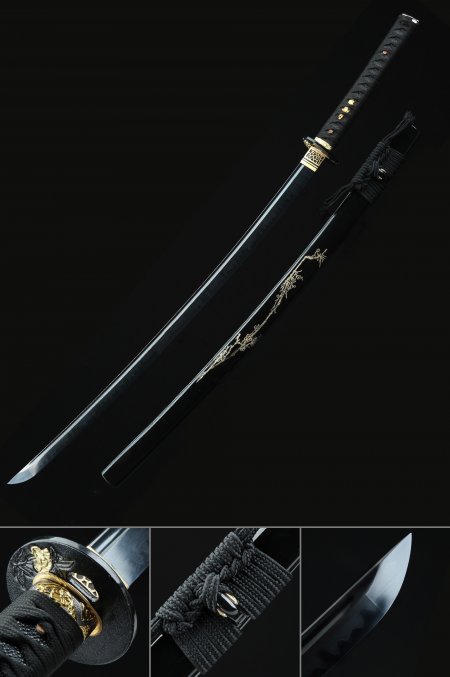
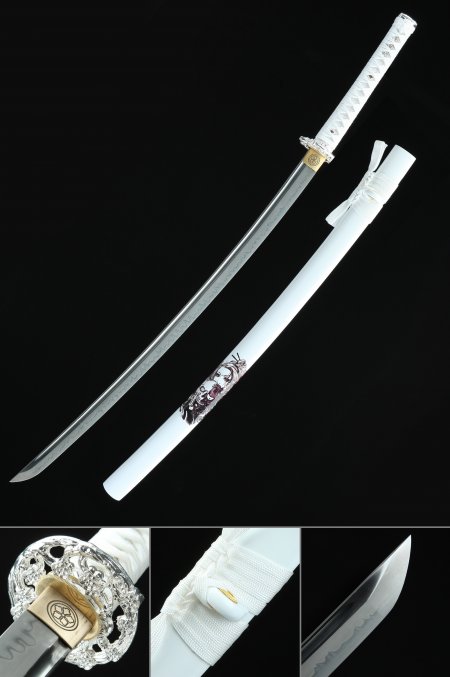
Collectors favor T10 carbon steel for Japanese katana collectibles for several interconnected reasons that all relate to the steel's specific material characteristics. First, T10's carbon content of approximately 1.0% gives it excellent hardness capability after heat treatment - higher than the 1045 and 1060 steels common in entry-level pieces, without reaching the brittleness that can occur at very high carbon levels. Second, T10's grain structure is tighter and more consistent than lower-carbon grades, which produces a cleaner blade surface that polishes more evenly and shows surface finish quality more clearly. Third, and most importantly for many collectors, T10 responds well to differential heat treatment - the process where clay is applied to the blade before quenching to create a hardened edge and tougher spine - producing a clearly visible hamon temper line. The hamon is historically significant as an indicator of proper Japanese swordsmithing technique, and its clear presence on a T10 blade confirms that the differential heat treatment was properly executed. These combined characteristics make T10 the preferred steel grade for collectors who evaluate blade quality beyond surface aesthetics.