Does clay tempering affect the durability of a katana as a display collectible?
Updated Feb 2026
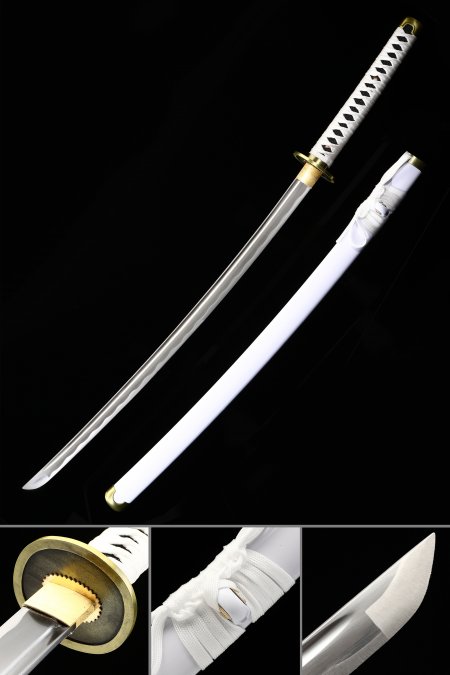
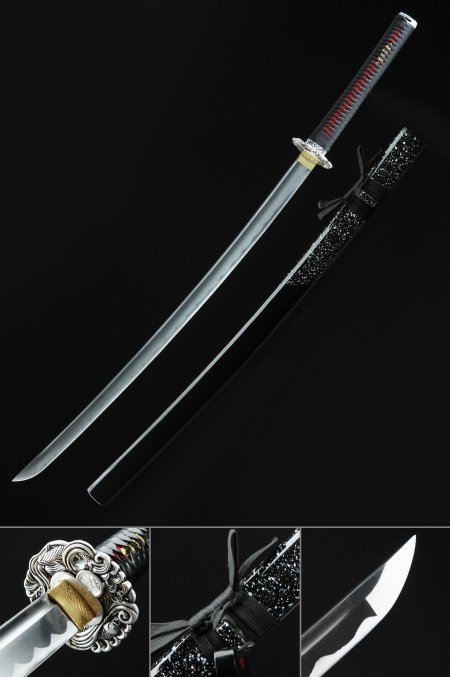
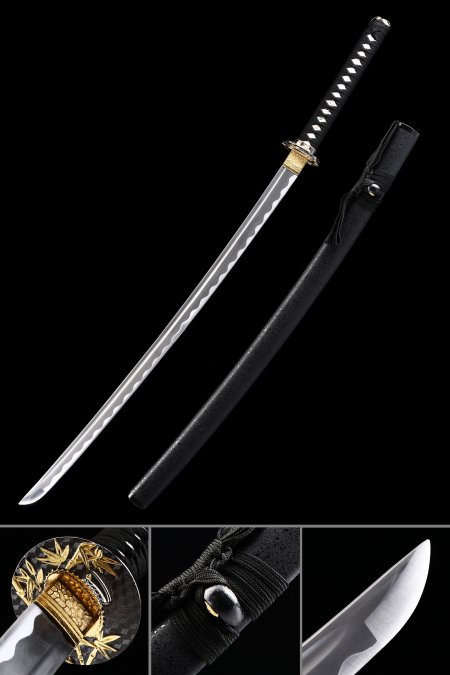
Clay tempering creates a differential hardness structure in the blade that is actually beneficial for display durability rather than detrimental to it. The hardened edge produced by the differential quench is resistant to surface wear and maintains its geometry well under display conditions, while the tougher spine retains the flexibility needed to prevent the blade from being brittle along its full length. For a display collectible, this means the clay tempered blade is well-suited to the conditions it will experience: stable temperature and humidity in a display environment, occasional handling during repositioning or inspection, and periodic oiling during maintenance. The hamon itself - the visual record of the clay tempering process - is a stable feature of the blade's surface that will remain visible as long as the blade is kept properly oiled and free from surface oxidation. A clay tempered katana that is properly cared for will maintain its hamon clarity and overall surface quality for many years as a display piece.