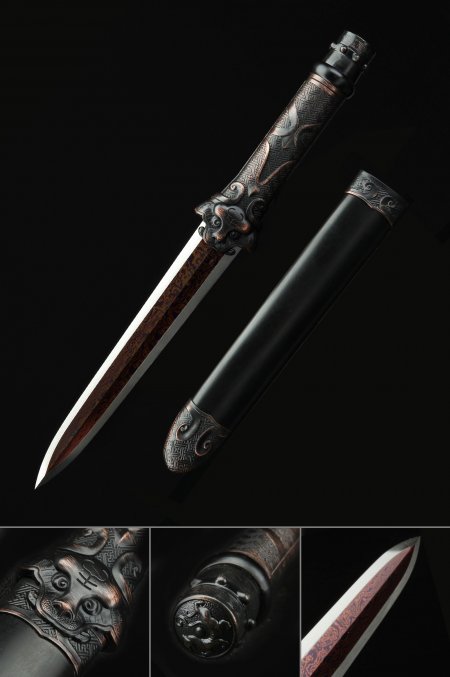
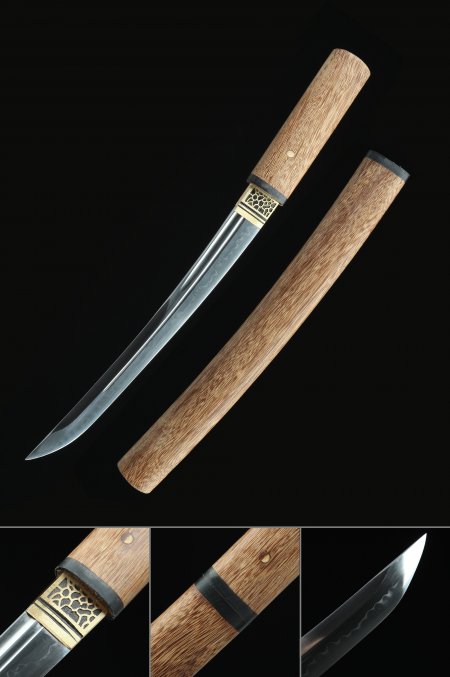
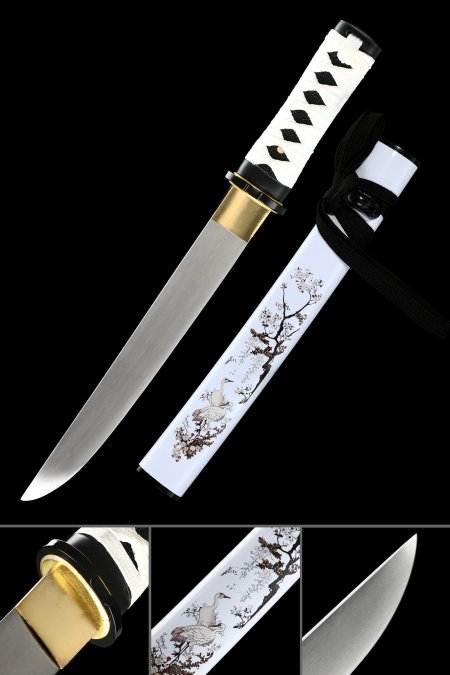
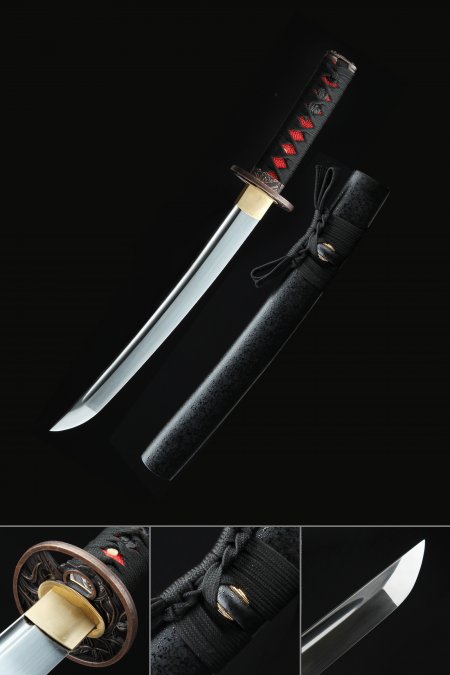
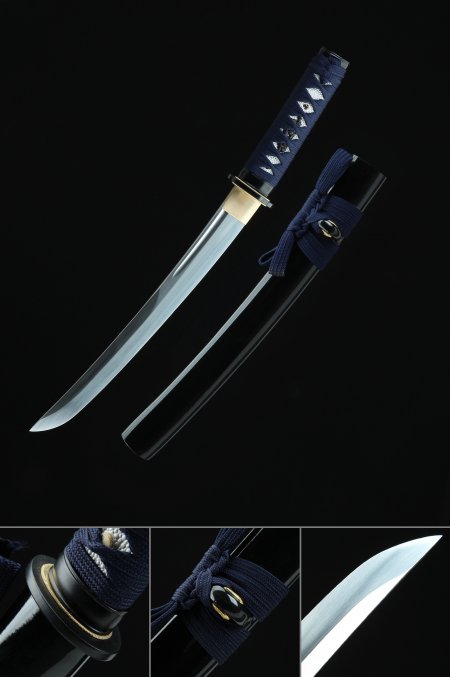
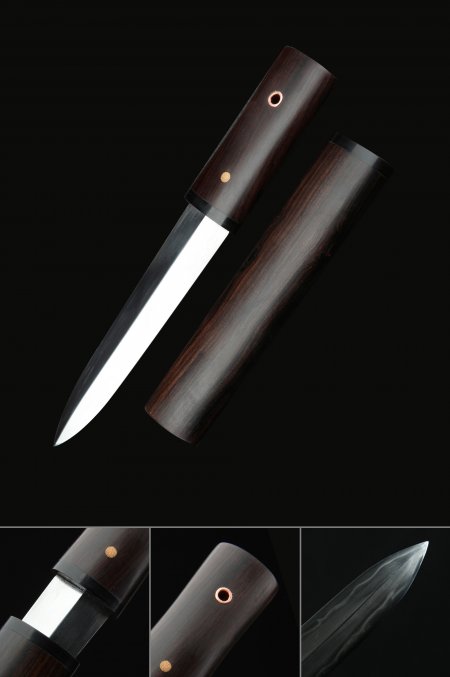
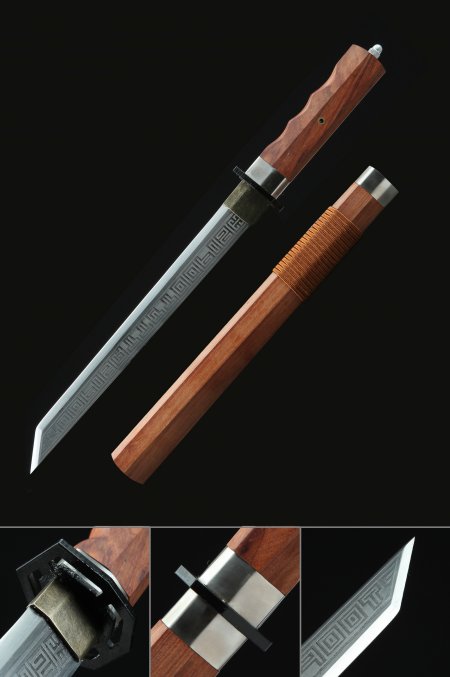
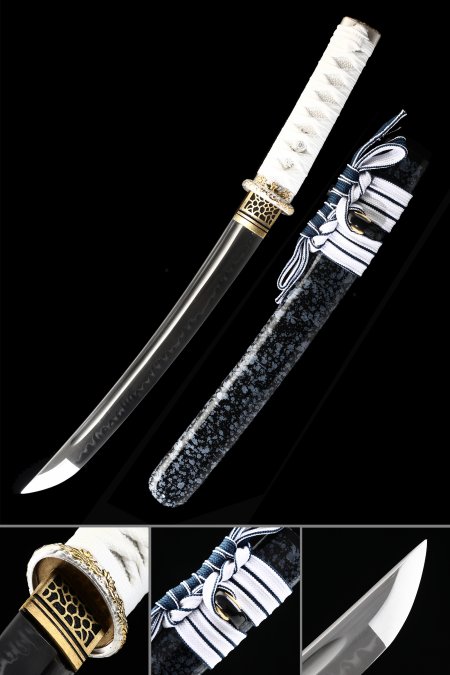
What role did the tanto play in samurai tradition and culture?
Updated Feb 2026
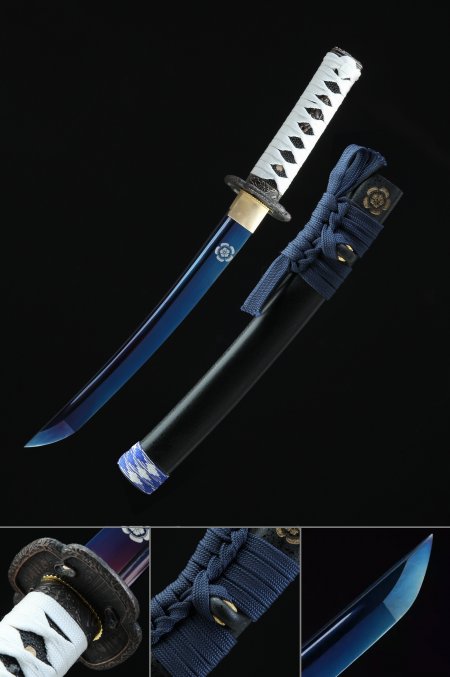
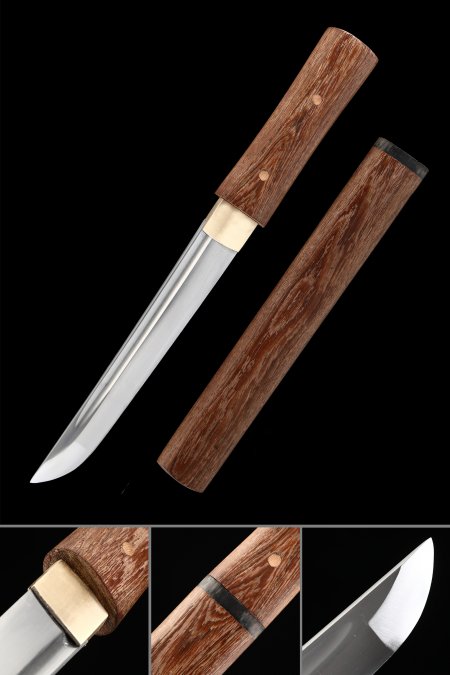
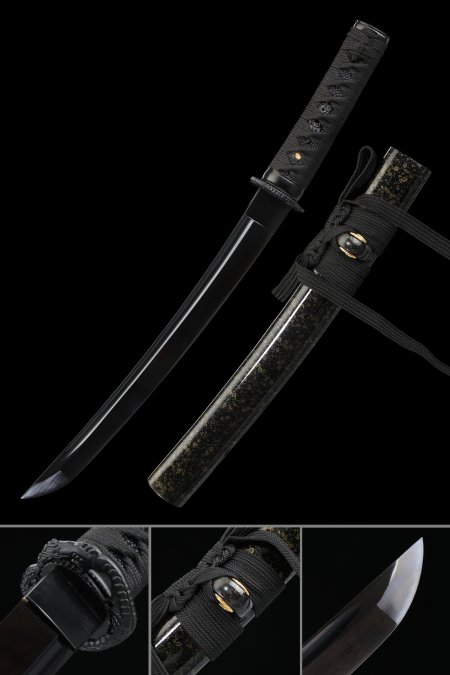
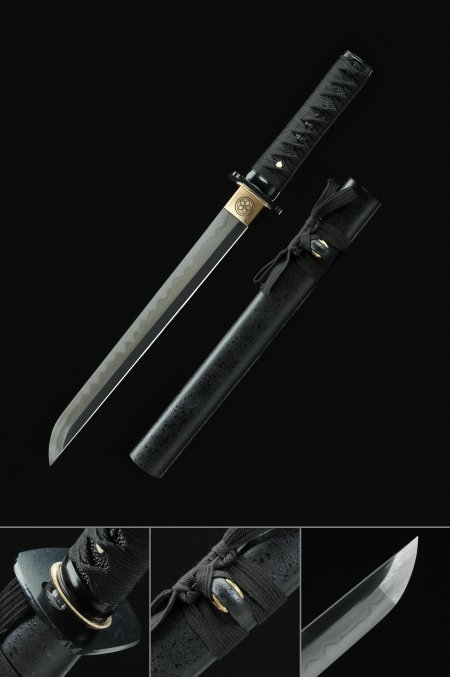
The tanto was an essential element of the samurai's personal equipment from the Heian period through the end of the feudal era. As a short blade worn at the side or tucked into the belt, the tanto served several distinct functions in samurai life and culture. Practically, it was a close-range backup blade for situations where a longer sword was impractical or had been lost. Ceremonially, the tanto was a required element of formal samurai dress alongside the longer katana, and the quality and finishing of a samurai's tanto was considered a reflection of his social standing and aesthetic sensibility. The tanto also had important ritual significance: it was used in the traditional Japanese ritual of seppuku, and particular tanto blades associated with famous samurai or notable historical events were preserved and venerated as cultural treasures. Today, tanto represent the samurai tradition in a particularly concentrated form, and collecting tant is a way of engaging directly with Japanese martial and craft history through objects built to the same standards as those actually used and valued by samurai.