What distinguishes a short Japanese katana from a Chinese or Western short sword?
Updated Feb 2026
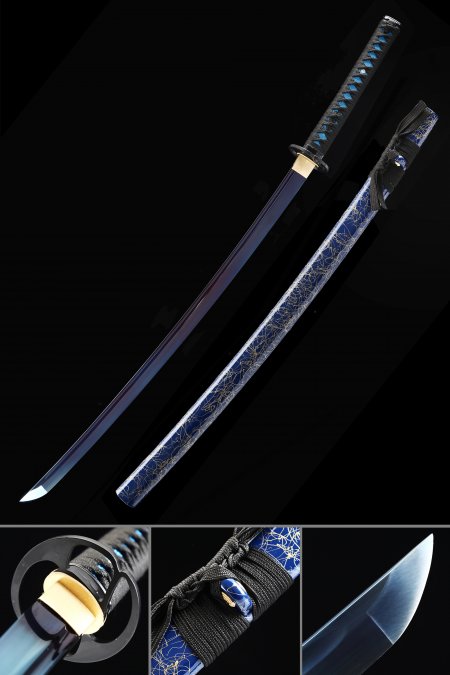
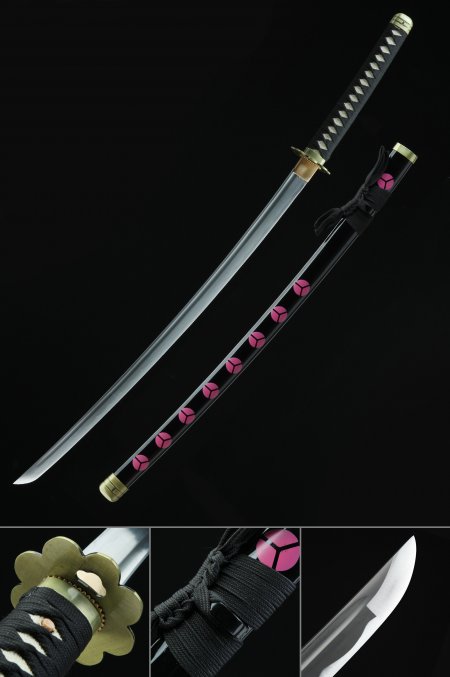
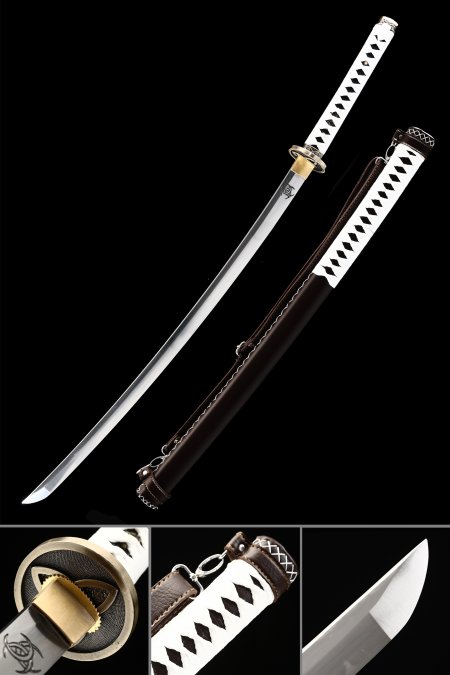
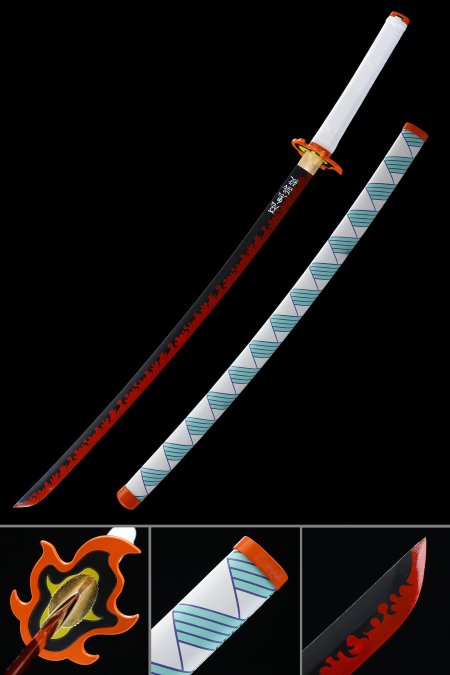
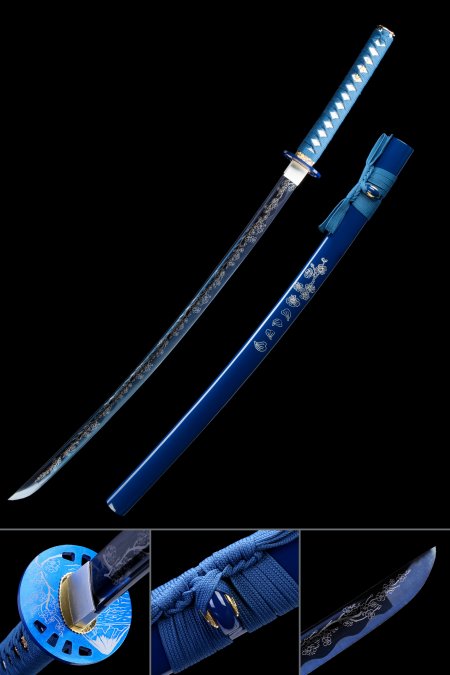
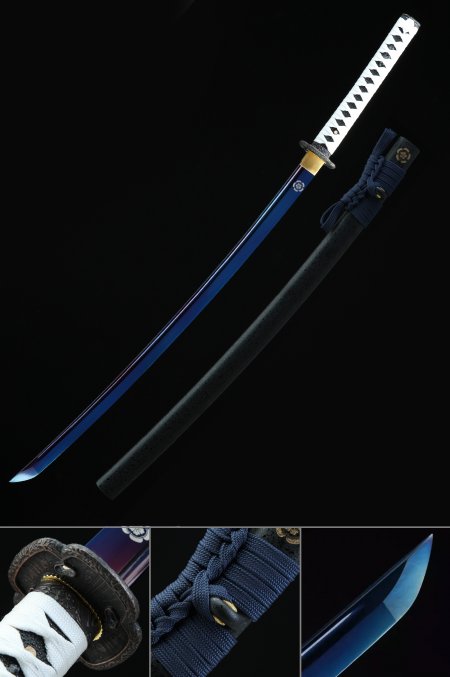
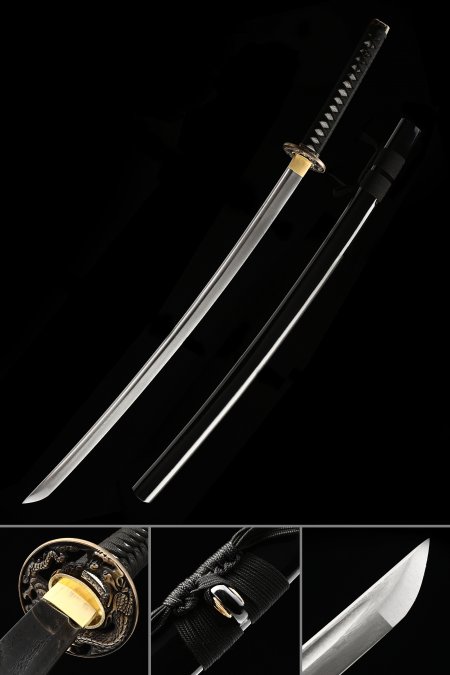
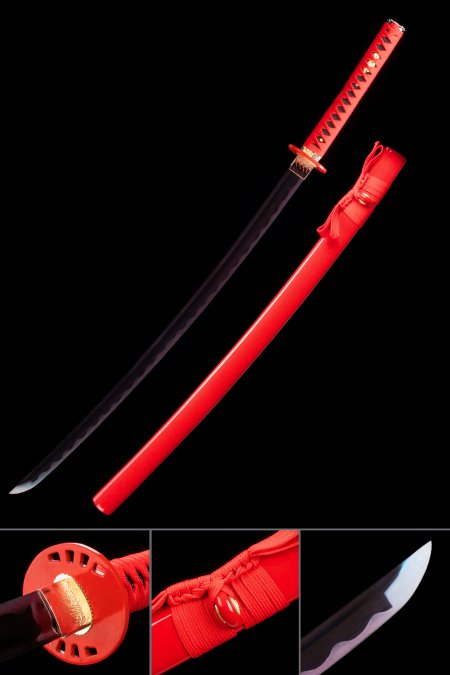
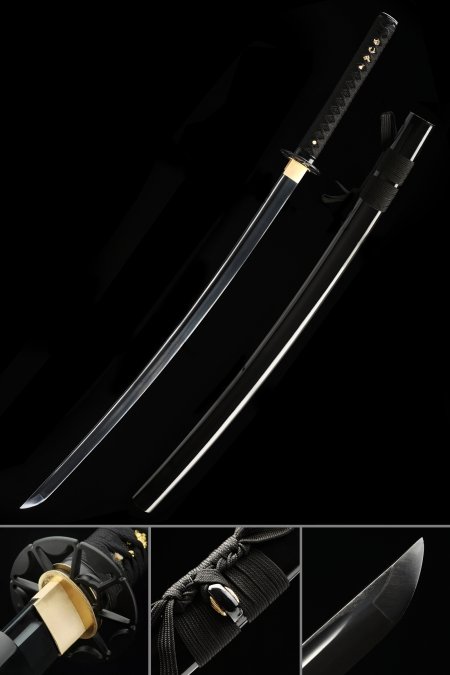
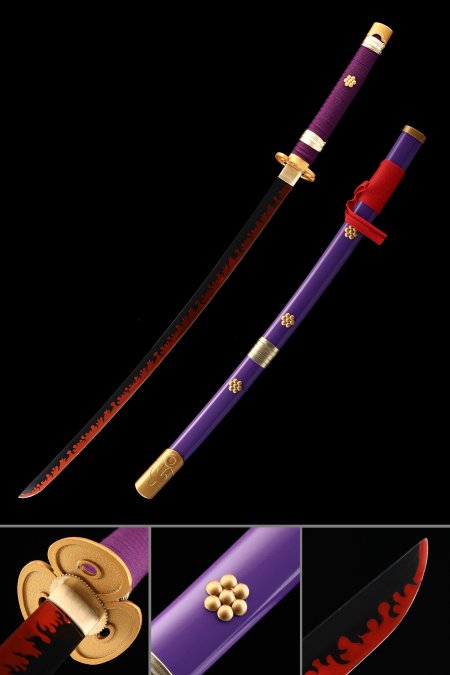
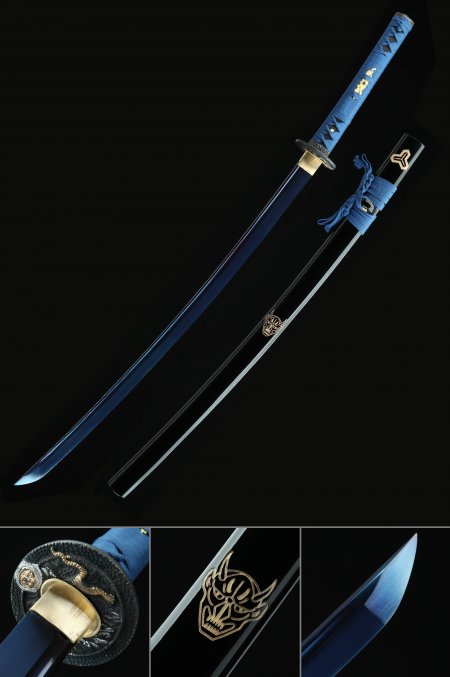
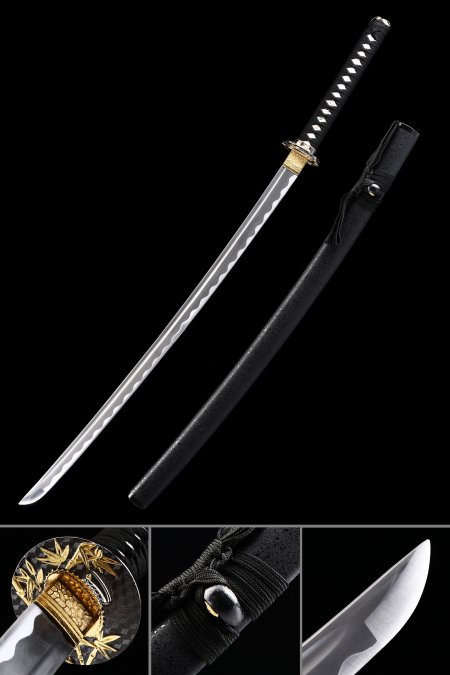
A short Japanese katana is distinguished from Chinese or Western short swords by the specific combination of blade geometry, steel treatment, and fitting tradition that defines the Japanese sword-making school. The curved single-edged blade with the Japanese kissaki tip geometry, the differential heat treatment that produces a hamon temper line, and the full fitting set of tsuba guard, ray-skin handle wrap, ito wrapping, and lacquered scabbard are all elements specific to the Japanese sword tradition and immediately distinguish a Japanese short katana from a Chinese dao or jian, a European short sword, or any other regional blade form. The hamon in particular is a uniquely Japanese element - the specific clay-tempering technique that produces it was developed within the Japanese sword-making tradition and is not found in the same form in any other blade-making tradition. For collectors who specifically want a Japanese-tradition short sword rather than a multi-cultural short blade collection, the short Japanese katana is the authentic representative of the Japanese side of the category.